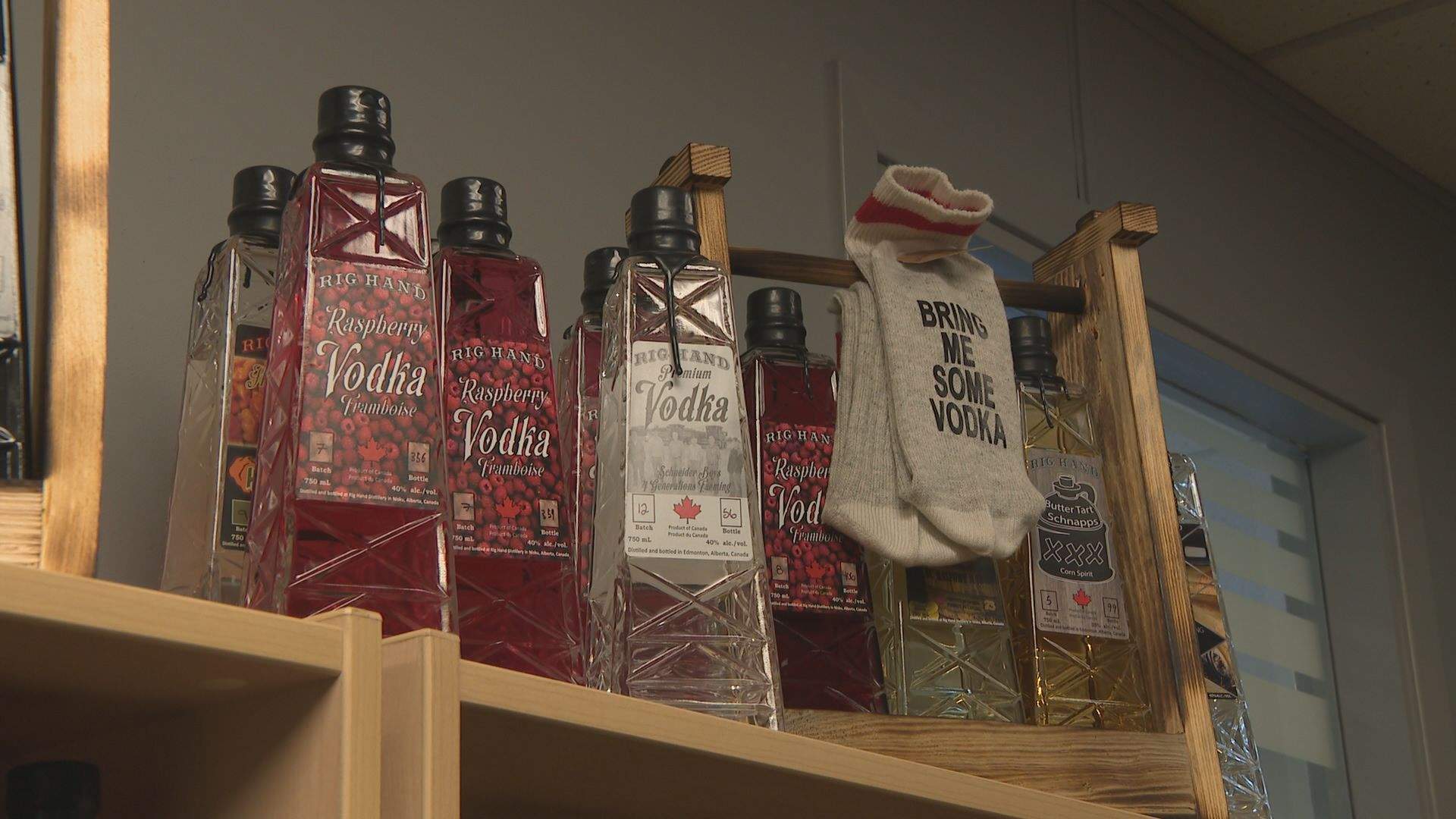
Canadian craft distillers are popping champagne over the slow collapse of interprovincial trade barriers. They think opening direct-to-consumer shipping between provinces is the holy grail that will rescue their bottom lines.
They are wrong. Dead wrong.
The jubilation surrounding Alberta’s push to allow direct shipping—and the reciprocal deals being negotiated across provincial borders—is a massive distraction. Distillers are mistaking administrative permission for economic viability. They believe that once the legal red tape disappears, eager buyers in Toronto or Vancouver will blindly order $70 bottles of rye from small operations in Red Deer or Calgary.
That is a dangerous fantasy.
Removing trade barriers does not fix a fundamentally broken business model. It just expands the boundary of where you are allowed to lose money.
The Logistics Math That Crushes Small Distillers
Let us run the cold, brutal numbers that the cheerleaders of trade reform conveniently ignore.
When a consumer walks into a physical liquor store, the friction of purchase is near zero. They pick up a bottle, pay, and walk out. The shipping costs are absorbed in bulk freight—pushed down to pennies per unit by distributors moving full pallets on semi-trucks.
Now, imagine a scenario where a craft enthusiast in Ontario wants a single bottle of small-batch gin from an Alberta distillery.
The bottle costs $55. Tax adds another $7. Shipping a fragile, heavy glass bottle containing hazardous liquids across three provinces via parcel delivery runs anywhere from $20 to $35, depending on carrier surcharges and age-verification fees at the door.
The consumer is suddenly staring at a $90 invoice for a single bottle of gin.
Consumers do not care about interprovincial trade policy. They care about total landed cost. Outside of a tiny fringe of die-hard spirit collectors, the average Canadian will not pay a 50% premium on shipping just to support an out-of-province artisan. Bulk freight logistics always win over single-bottle direct fulfillment. Always.
The Monopoly Game Is Not Over, It Just Changed Board Rules
Distillers talk about provincial liquor boards—like the LCBO in Ontario or the LCLB in British Columbia—as if they are the only villains in the story. The narrative says: Eliminate the provincial monopolies, and the free market will set us free.
What they fail to realize is that provincial liquor boards serve a secondary, accidental purpose for small producers: central warehouse staging and local marketing coverage.
When you ship direct-to-consumer across borders, you are taking on the entire burden of:
- Last-mile customer service
- Damaged goods insurance
- Returned packages from missed age-verification sign-offs
- Individual provincial tax reporting compliance
I have watched micro-distilleries spend hundreds of thousands of dollars building out custom e-commerce infrastructure, hiring fulfillment managers, and purchasing custom shock-proof packaging, only to realize their order volume across provincial lines sat at three boxes a week.
You are not taking down a monopoly. You are taking on the job of FedEx, the LCBO, and an accounting firm simultaneously—all for a fraction of the margin.
The Export Delusion vs. Local Dominance
Here is the strategic mistake destroying craft distilleries across North America: expanding geographical reach before achieving deep local saturation.
A distillery producing 10,000 proof gallons a year has no business chasing customers 2,000 kilometers away. The customer acquisition cost (CAC) for an out-of-province buyer is astronomical compared to the person living twenty minutes from your rackhouse.
The most profitable distilleries on the continent follow a completely different playbook:
- Own your immediate radius: Turn your tasting room into a high-margin engine. Margin on a cocktail poured on-site beats the net return on a shipped bottle by orders of magnitude.
- Dominate local retail: Secure high-velocity placement on home-turf shelves before bothering to ship a single case across a provincial border.
- Sell an experience, not a commodity: If a customer can buy a comparable craft spirit at the store around the corner, your cross-border e-commerce pitch is dead on arrival.
If you cannot build a sustainable, recurring customer base in your own backyard where your shipping costs are zero and your brand equity is highest, opening up trade routes to Saskatchewan or Quebec will not fix your balance sheet. It will simply accelerate your burn rate.
The Reality of Direct Shipping Taxation
Even if interprovincial trade barriers drop entirely, the tax man is not going anywhere.
Provinces are not going to surrender their liquor tax revenues out of the goodness of their hearts. Any framework that allows cross-border sales will require the sender to remit local excise and consumption taxes back to the destination province.
That means small distillers will be forced to track, calculate, and remit varying tax rates across up to ten different provincial jurisdictions.
Try running a three-person operations team while filing quarterly tax returns to four different provincial finance ministries, each with their own reporting standards and auditing mechanisms. The compliance overhead alone will wipe out whatever tiny margin remained after parcel shipping costs.
This is the nuance the industry cheerleaders miss. Dropping the trade barrier does not mean tax-free or friction-free commerce. It means a transition from regulatory prohibition to administrative nightmaring.
The Hard Truth About Scale
Let us drop the romanticism around craft spirits for a moment.
Distilling is a capital-intensive game of scale and time. The big players—the multinational conglomerates—win because their scale drives unit costs down to fractions of a dollar per liter, and their distribution networks are deeply entrenched.
Free trade between provinces helps the big regional players who already have the operational capacity to absorb complex tax structures and negotiate volume shipping rates. It gives the illusion of a level playing field while actually widening the gap between medium-sized regional brands and truly small micro-distillers.
The micro-distiller who thinks national direct-to-consumer shipping is their golden ticket is falling for a trap. They are competing on the turf of national logistics rather than regional intimacy.
Stop waiting for provincial politicians to save your craft distillery by tweaking trade policy.
Focus on hyper-local velocity, fix your unit economics at home, build a high-margin hospitality footprint, and leave the cross-country parcel logistics to companies that actually have the margins to survive it.