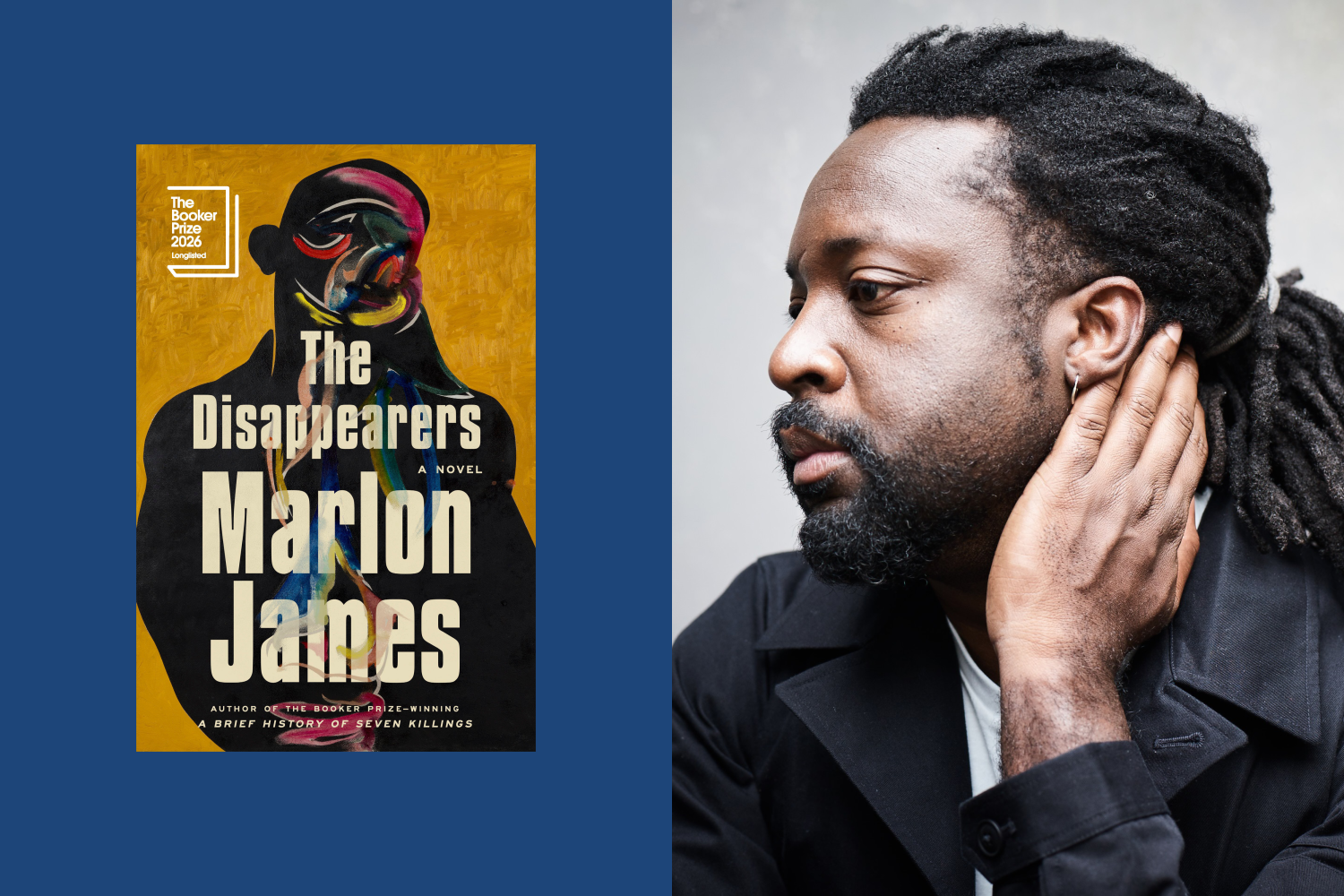
Rumor carries more weight than certified history in Kingston. Marlon James knows this better than anyone.
When the Booker Prize-winning author began drafting The Disappearers, his sprawling return to Jamaica after a detour into African-mythology fantasy, he did not anchor his narrative to police dockets or court ledgers. He anchored it to a ghost. Decades ago, whispers coursed through the underground circles of the island regarding an unverified, vicious attack on a collective of gay men. The alleged victims never stepped forward. No formal charges materialized. In a society where survival often demanded absolute invisibility, vanishing was safer than seeking justice.
James turned those silence-shrouded whispers into a literary explosion. The book centers on a June night in 1988, when eight men gather in a Kingston house to rehearse John Herbert’s prison drama Fortune and Men’s Eyes. A mob descends. Blood is spilled, lives are permanently fractured, and two men—Orrin Turner and Matt Chin—simply cease to be seen.
Most commentators look at this premise and see a standard tragedy-to-triumph narrative arc. They are missing the point entirely.
The Architecture of Erasure
Writers love to chase the clean narrative. They want the dramatic assault, the heroic detective, and the cathartic unmasking of the villain. James completely rejects this cheap comfort.
By focusing the bulk of the 640-page text on the years following the violence, James exposes how queer survival operates under institutional hostility. The characters who remain—hustlers, actors, and outcasts navigating the early shadows of the AIDS epidemic—do not embark on a clean quest for vengeance. They argue, they compromise, they self-sabotage, and they drift.
"Fiction is ideally placed to bring what might be a closed-off chapter right into the open," James noted in interviews surrounding the release.
Yet the brilliance of the text lies in how it refuses to sanitize its subjects. These men are defensive, prickly, and frequently infuriating. They are rendered with flesh-and-blood contradictions, far removed from the saintly martyrs often demanded of marginalized characters in contemporary fiction. James constructs a portrait of a community held together not by shared political ideology, but by shared terror and the desperate, stubborn insistence on finding desire in a landscape built to crush it.
Writing From the Margins of Memory
To understand the weight of The Disappearers, one must examine the author's own trajectory. Growing up closeted in Jamaica before relocating to the United States, James spent years orbiting a cultural identity he was forced to observe from behind heavy locks.
When he writes about the underground theater troupes and clandestine bars of 1980s Kingston, he is performing an act of imaginative reclamation. He spent months conducting archival work at the Schomburg Center in New York and interviewing sources, piecing together a mosaic of an era that official archives preferred to burn or bury.
This methodology sets him apart from peers who rely on safe, middle-distance historical overviews. James writes with sensory overload. The prose moves to the rhythm of Alice Coltrane jazz records and heavy Kingston traffic, saturated in Jamaican creole, sharp vernacular, and anatomical candor. He rejects the academic distance of the historical novelist. He throws the reader directly into the sweat and static of the room.
Why the Silence Still Matters
The cultural conversation surrounding the novel often treats the 1980s setting as a period piece, a historical window into a distant country's past mistakes. That reading is dangerously naive.
The mechanisms of erasure that James documents on the page remain active. Whenever marginalized communities are forced into secrecy by political posturing or social terror, the "disappearers" multiply. People vanish into unrecorded statistics, forced migrations, or self-imposed isolation because the cost of visibility is too high.
By refusing to give readers a neat resolution—by leaving the ultimate fate of Turner and Chin ambiguous—James mirrors the frustrating reality of historical trauma. Some wounds never receive a verdict. Some histories are preserved only because survivors refuse to let the whispers die out, passing them from one bruised generation to the next until a writer finally builds a cathedral out of smoke and memory