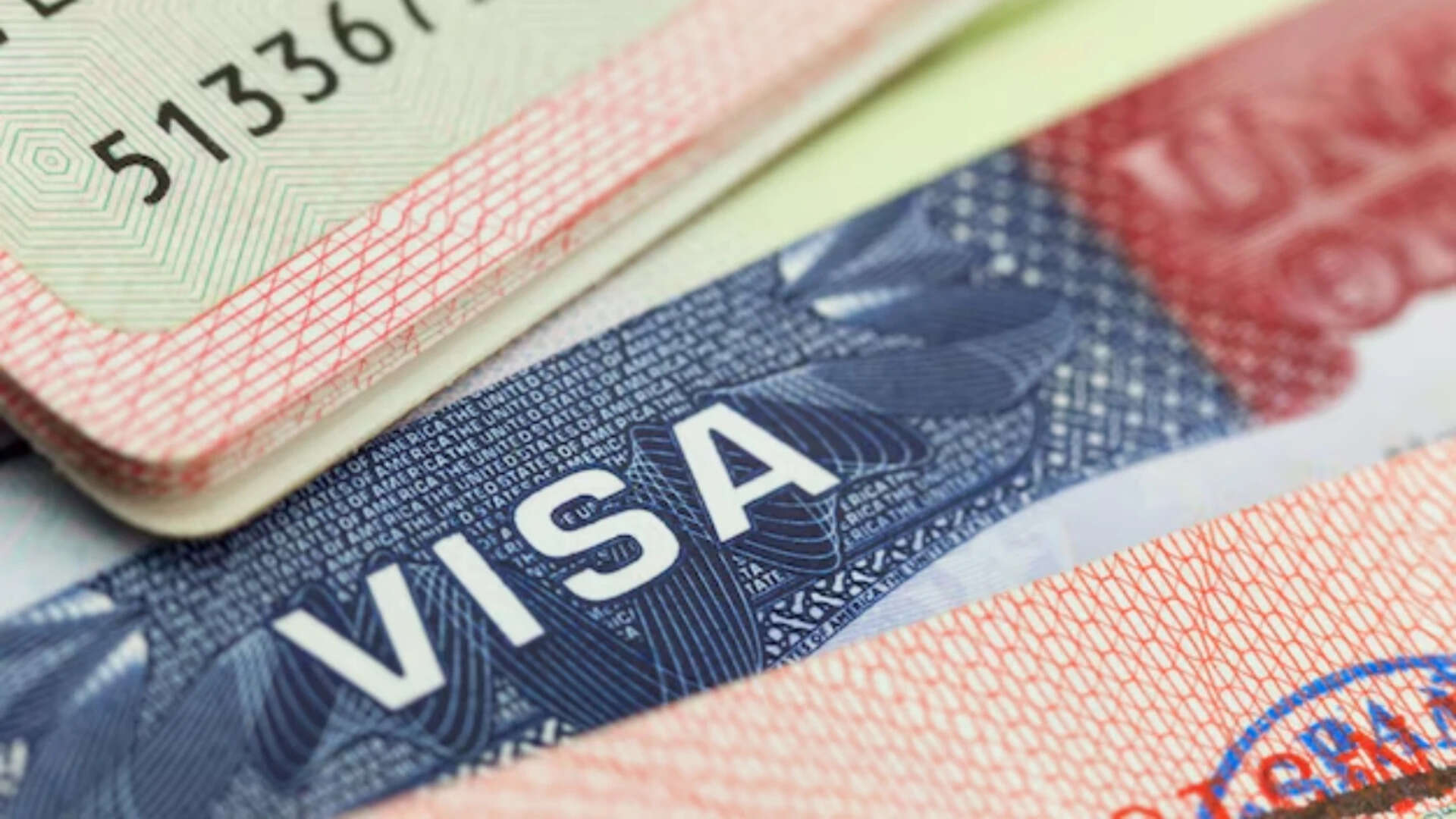
The Texas Department of Public Safety is quietly rewriting the rules for how foreign professionals establish their identity, creating a bureaucratic trap for thousands of lawful H-1B, H-4, and F-1 visa holders. Under a newly proposed rule change, state licensing offices are refusing to accept valid foreign passports if the U.S. visa stamp inside them has expired. This shift leaves legally present workers, students, and their families unable to renew or obtain a driver license. It forces an artificial crisis upon highly skilled immigrants who possess valid federal documentation proving their right to live and work in the United States.
For decades, the process was straightforward. A tech worker or university researcher would walk into a Texas Department of Public Safety (DPS) office with their passport, an expired visa stamp, and a valid Form I-94 issued by U.S. Citizenship and Immigration Services (USCIS) confirming an approved extension of status. It worked. Federal law explicitly separates a visa stamp from immigration status. A visa stamp is merely an entry ticket used at an airport or border crossing. Once inside the country, the Form I-94 dictates lawful stay.
Texas is now upending that fundamental distinction.
The Identity Illusion Weaponized by the State
The core of the issue lies in a deliberate misinterpretation of federal REAL ID mandates. Texas DPS officials claim that a foreign passport containing an expired visa stamp can no longer serve as a primary identity document. They argue this brings Texas into strict alignment with federal identification standards.
This argument collapses under close scrutiny.
The federal Systematic Alien Verification for Entitlements (SAVE) program already allows Texas to instantly verify an applicant's real-time legal status. When a DPS clerk scans an applicant's information, the federal database confirms whether that individual is legally present. By rejecting the expired visa stamp as an identity document, Texas is creating an artificial wall. They are ignoring federal electronic verification in favor of a physical, expired sticker that was never meant to measure current identity or ongoing lawful status.
The consequences are immediate and severe. Consider a software engineer who legally entered the country five years ago, moved from California to Austin for a new corporate role, and secured a valid federal H-1B extension. If that engineer has not traveled internationally to get a fresh physical stamp inside their passport, Texas now treats them as if they lack proper identification.
They are stranded.
The Impossible Options for New Residents
People relocating to Texas from other states bear the heaviest burden of this policy shift. When a legal resident moves across state lines, they must typically secure a local driver license within a few weeks.
For those with an expired passport stamp but valid USCIS paperwork, the path forward disappears. Without a valid Texas driver license, buying a car, securing auto insurance, or registering a vehicle becomes an administrative nightmare.
The state suggests alternative routes that are practically impossible for the average nonimmigrant worker. The list of acceptable secondary documents is heavily restricted. It features items like U.S. or Canadian birth certificates, consular reports of birth abroad, or specific U.S. court orders. A professional born in Mumbai, Hyderabad, or Frankfurt will simply not possess these documents.
This leaves visa holders with a single, highly disruptive alternative. They must leave the United States.
To satisfy the new Texas interpretation, a worker must book international travel, schedule a rare and highly competitive appointment at a U.S. consulate abroad, pay thousands of dollars in fees, and wait for a new physical visa stamp. This process is fraught with risk. Consular processing can take weeks, and administrative delays frequently strand workers overseas for months, threatening their employment and separating them from their families back in Texas.
A Public Comment Countdown
The policy is not yet permanently set in stone, but the window to alter its trajectory is closing rapidly. The public has until July 26, 2026, to submit formal comments regarding this proposed amendment to the Texas Administrative Code.
Immigration advocacy groups and legal analysts are mobilizing to push back against the rule before the deadline. They argue that the policy does nothing to enhance security, given that federal databases already confirm the legal identity and status of these applicants. Instead, it serves as a purely bureaucratic barrier that disrupts the lives of legal taxpayers who fuel the state’s technology, medical, and academic sectors.
Legal professionals are advising visa holders currently living in Texas to audit their documents immediately. For those whose current driver licenses are nearing expiration, or those whose physical visa stamps are still valid, the message is clear. Apply for renewals or initial licenses immediately before the proposed text transitions into an unyielding state regulation. Once a Texas driver license has been expired for more than two years, the ability to use it as a bridge document vanishes, locking the applicant out of the system entirely.
The state’s economic engine relies heavily on international talent, yet the bureaucratic machinery is actively working to make daily survival for that talent untenable. Submitting a formal public objection before the July 26 deadline represents the final administrative hurdle before this systemic failure moves from the DMV counter into the federal courts.