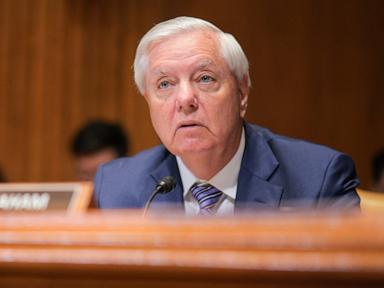
The United States Senate is advancing a sweeping legislative package that radically shifts foreign policy dynamics, marrying hardline economic penalties on Moscow with heavy secondary enforcement mechanisms. Formally named the Lindsey O. Graham Sanctioning Russia and Iran Act of 2026, the bill creates unprecedented pressure points for international energy markets.
For years, Capitol Hill watched policy stalls define the legislative branch's response to foreign aggression. Lawmakers argued over definitions, executive overreach, and the precise threshold required to trigger trade penalties. Today, the dynamic looks entirely different.
[Image of US Capitol building in Washington DC]
The Mechanics of Maximum Pressure
The core architecture of the newly advanced legislation targets the financial arteries feeding foreign military operations. By combining restrictions on Russian sovereign debt with strict oversight of shadow fleet operations, the bill plugs major enforcement gaps.
[Image of oil tanker at sea]
Washington is no longer merely penalizing direct transactions. The text authorizes the executive branch to levy tariffs of up to one hundred percent on imports originating from nations identified as the top five buyers of Russian crude oil or natural gas.
This creates a high-stakes diplomatic dilemma for major consumer economies. Consider a hypothetical scenario where an industrialized nation relies heavily on discounted fuel imports to stabilize domestic manufacturing. Under this legislation, maintaining those energy supply lines risks triggering crippling retaliatory tariffs on all commercial goods shipped to American ports.
Secondary Enforcement Realities
Secondary sanctions have always walked a fine line between coercion and diplomatic alienation. Critics point out that penalizing third-party nations often pushes trading partners closer to alternative financial clearinghouses, potentially weakening the long-term dominance of the dollar.
Yet proponents argue that conventional trade restrictions have proven too weak to alter wartime calculations in Moscow. By targeting the secondary actors who facilitate resource monetization, the Senate is attempting to choke off the remaining channels keeping the Kremlin's budget afloat.
The inclusion of provisions targeting Iran further expands the scope of the package. This addition reflects a strategic alignment between congressional architects and White House priorities, transforming a single-focus initiative into an overarching mechanism for containment.
The Legislative Hurdles Ahead
Translating committee momentum into statutory law requires navigating complex procedural waters. While the upper chamber has signaled overwhelming bipartisan backing, the House of Representatives presents a different set of political calculations.
Industrial lobbies and trade associations are already mobilizing to assess exposure risks. Supply chain analysts warn that sudden shifts in energy sourcing could produce short-term price spikes across international markets, complicating domestic economic management.
Legislators maintain that these economic frictions are necessary costs. As the measure heads toward final votes, the debate shifts from whether Washington should exert economic dominance to how effectively these tools can force a permanent alteration in geopolitical behavior.