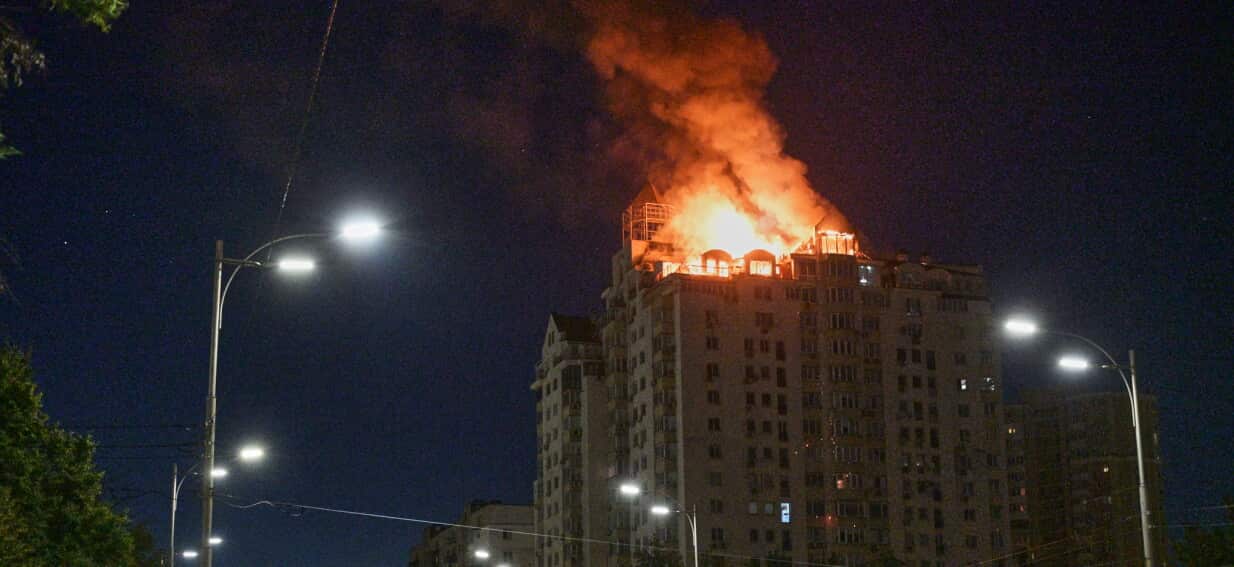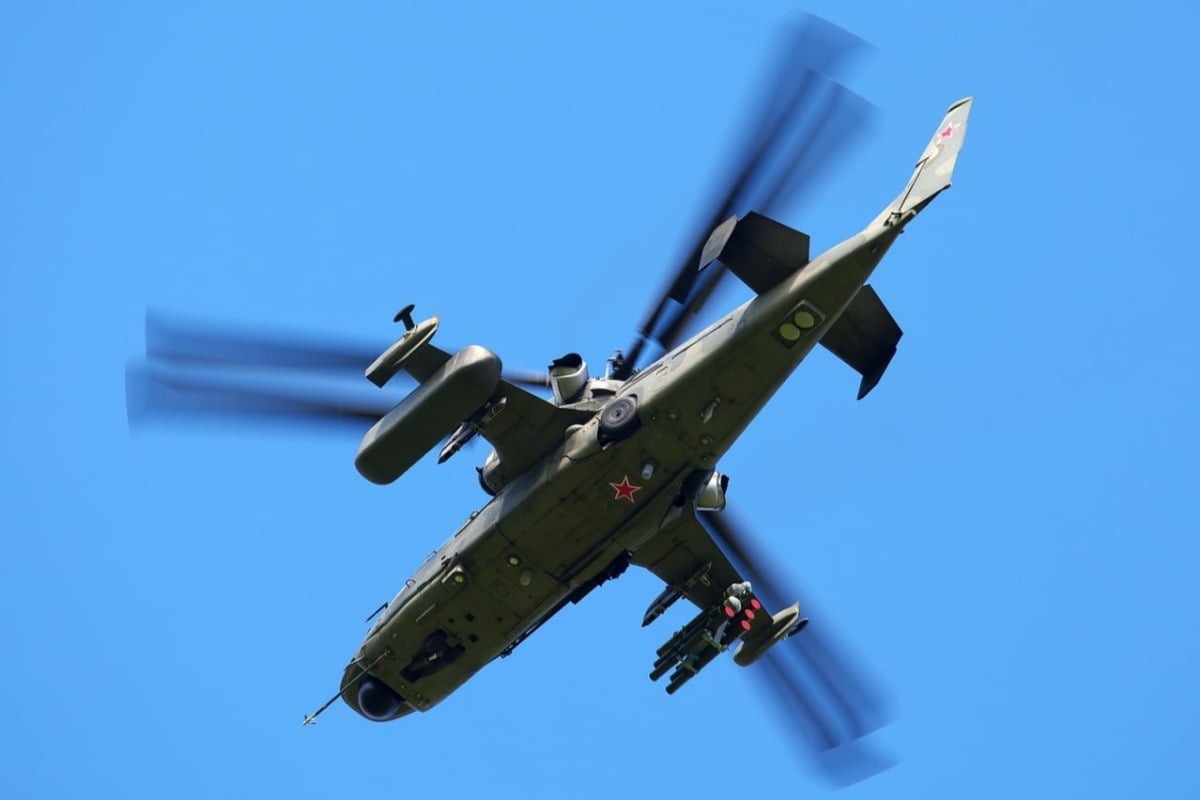
Russia has lost another multi-million dollar Ka-52 Alligator attack helicopter, pushing its total visually confirmed combat losses past 60 airframes since the full-scale invasion of Ukraine began. The latest downing, confirmed by Russian military channels on July 2, 2026, resulted in the death of at least one pilot and highlighted a structural vulnerability in how Moscow deploys its frontline aviation. This continuous attrition makes the Ka-52 the most heavily defeated rotary-wing platform in modern warfare, exposing deep flaws in both its operational doctrine and mechanical defense systems.
The Kremlin marketed the Kamov Ka-52 as an apex predator of the skies. It features a unique coaxial twin-rotor system, heavily armored crew cabins, and a world-first helicopter ejection seat system designed to save pilots from catastrophic failure. Yet, the reality on the ground tells a vastly different story.
The Bleeding of the Alligator Fleet
When Russia pushed its armored columns forward, the Ka-52 was supposed to serve as the primary flying umbrella, shredding enemy armor with its long-range Vikhr missiles. Instead, it became a frequent casualty of low-altitude anti-air systems, shoulder-fired missiles, and increasingly, cheap explosive drones.
The sheer numbers tell an ugly story for Russian air command. Independent tracking groups like Oryx have documented more than 60 definitive hull losses, a figure that represents a massive chunk of Russia’s pre-war active fleet. For comparison, Russia’s other advanced attack helicopter, the Mi-28, has suffered fewer than 20 documented losses over the same period. The disparity is not accidental. It points to a systemic overuse of the Ka-52 in high-risk zones, combined with engineering choices that left the aircraft exposed to modern tactical threats.
The recent July 2 downing followed a familiar pattern. Russian military bloggers, including the prominent Voevoda Veshchaet channel, broke the news by posting commemorative images with captions honoring the fallen crew. No official explanation was offered for the crash. The silence from the defense ministry is typical, masking an ongoing struggle to adapt old hardware to an unyielding, drone-saturated battlespace.
Why the Alligator Is Vulnerable
To understand why this specific helicopter keeps dropping from the sky, one has to examine how the war evolved. Russia did not anticipate a theater where every infantry squad carries a man-portable air-defense system (MANPADS) and every open field is monitored by reconnaissance drones.
The Ka-52 relies heavily on its GOES-451 electro-optical targeting suite to acquire targets from several kilometers away. This optical ball sits under the nose, providing the pilot and navigator with thermal and television feeds. In practice, the system has struggled with atmospheric dust, low clouds, and thermal glare. To get a clear lock on a moving vehicle, pilots frequently have to fly closer to the frontline than safety margins dictate.
Once an Alligator drops its altitude to counter bad visibility or to launch unguided rockets, it enters a lethal envelope.
A major design element has also turned into a distinct vulnerability. The coaxial rotor system removes the need for a tail rotor, making the helicopter shorter and highly maneuverable. However, high-stress maneuvers combined with structural damage can cause the upper and lower rotor blades to flex and strike each other, causing instant, catastrophic failure. This aerodynamic risk, known as blade flapping, is intensified when pilots perform sudden evasive maneuvers under heavy fire.
Weapons System Limitations
- The Vikhr Missile Constraint: To guide its primary anti-tank missile, the helicopter must maintain a steady line of sight toward the target until impact. This requires the pilot to hover or move slowly in a predictable path for up to ten seconds, making the aircraft a sitting duck for ground-based operators.
- The Autocannon Blind Spot: The 30mm 2A42 cannon is mounted rigidly to the right side of the fuselage. Unlike Western counterparts with turreted nose guns, the entire Ka-52 must be rotated to aim the weapon, forcing pilots into predictable flight paths during close-range engagements.
The Rise of the First-Person View Threat
The most humiliating shift for Russian aviation is the weaponization of commercial drones against manned aircraft. In previous conflicts, a helicopter only had to worry about fast-moving missiles or anti-aircraft artillery. Now, low-cost First-Person View (FPV) drones are actively hunting them.
Earlier this year in the Pokrovsk sector, Ukrainian forces achieved a verified kill against a Ka-52 using nothing more than a modified racing drone carrying an explosive charge. The drone operator intercepted the helicopter while it was operating at low altitude. The resulting explosion forced a hard crash landing. While the crew managed to trigger their ejection seats, follow-up reconnaissance confirmed they did not survive the subsequent ground engagement.
This creates a psychological crisis for Russian flight crews. They are operating multi-million dollar platforms but find themselves vulnerable to a weapon built for a few hundred dollars.
Industrial Paralysis and Repercussions
Replacing these losses is proving nearly impossible for the Russian defense industrial base. The Ka-52M modernization program was supposed to address targeting deficiencies and integrate longer-range missiles, but international sanctions have choked the supply of critical foreign microelectronics.
Western sensors and high-grade thermal imaging components that once populated the Ka-52’s cockpit are no longer legally accessible to Russian manufacturers. Domestic substitutes exist, but they are heavier, less precise, and suffer from high failure rates. Production lines at the Progress Arsenyev Aviation Company have slowed down significantly, managing only a handful of airframes per year.
At the current rate of destruction, the Russian Aerospace Forces are burning through their inventory faster than their factories can weld the fuselages. The loss of experienced crews hurts even more than the loss of aluminum and titanium. Training a competent attack helicopter pilot takes years and costs millions. Russia is running out of both machines and the men who know how to fly them.