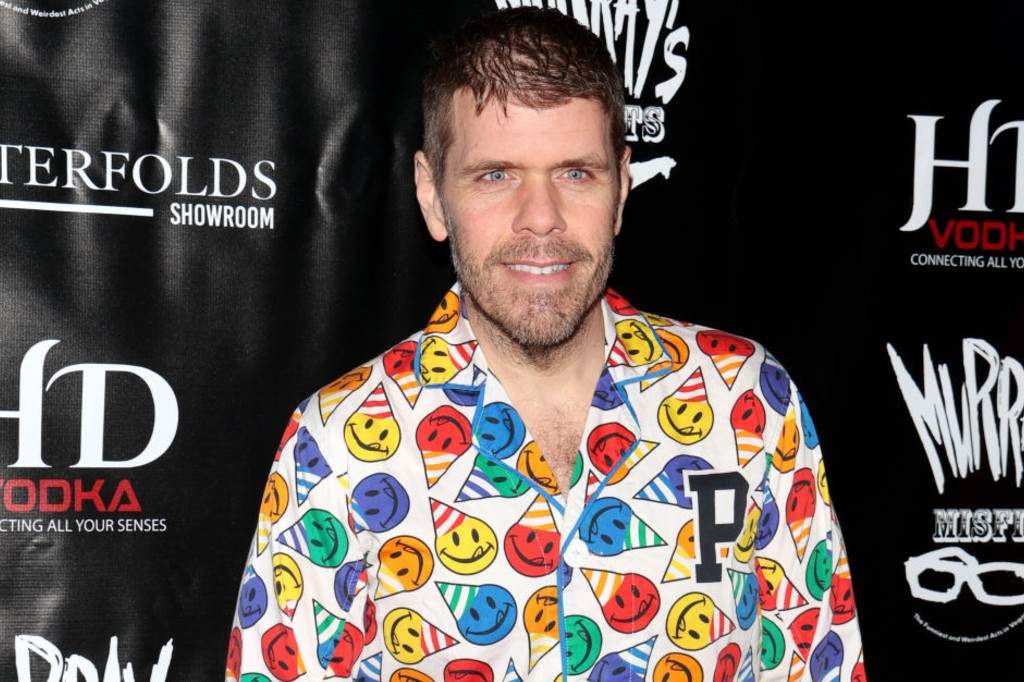
Celebrity blogger Perez Hilton is currently receiving medical care and is able to communicate following an emergency hospitalization prompted by a distressing TikTok broadcast. The incident, which unfolded live on social media and triggered a flood of emergency calls from alarmed viewers, has forced an uncomfortable reckoning about the intersection of digital fame, untreated mental health struggles, and the systemic failures of real-time content moderation.
For months, the digital footprint left by Mario Armando Lavandeira Jr.—better known to the world by his pseudonym—has signaled a profound personal and professional pivot. Once the undisputed, aggressive king of early-2000s celebrity gossip, Hilton spent the past year navigating severe medical crises, financial shifts, and public reconciliations with his past. Yet, the escalation from online vulnerability to a public mental health emergency lays bare the dangerous mechanics of modern streaming platforms that monetize attention at all costs.
The Anatomy of a Digital Breakdown
When emergency responders and deputies from the Miami-Dade County Sheriff's Office arrived at Hilton's residence following numerous viewer reports, they encountered a terrifying modern phenomenon. A creator in acute psychological distress broadcasting live to an audience of thousands.
According to law enforcement statements, responding deputies utilized tactical de-escalation protocols, securing the perimeter, confirming he was alone inside, and working alongside crisis negotiation units before safely transporting him to a local medical facility. While his family released subsequent statements confirming that he is communicating and resting under medical supervision, the distribution of the initial footage across alternative platforms like X and Instagram highlights an unregulated feedback loop. Viewers recorded, reposted, and debated the graphic material within seconds, turning a private medical crisis into mass public consumption.
Platform Accountability and Moderation Failures
The incident has placed intense scrutiny on TikTok's real-time safety infrastructure. Representatives for the platform acknowledged that automated systems flagged the broadcast, yet a manual moderation error delayed its ultimate removal.
In the high-stakes economy of live-stream engagement, seconds translate to structural damage. Algorithms are engineered to retain eyeballs, creating a perverse incentive structure where erratic or harmful behavior frequently spikes viewership before safety protocols can intervene. When human moderators fail to catch a crisis in real time, the burden shifts entirely to the audience—turning casual consumers into reluctant, powerless first responders staring through a glass screen.
A Year of Mounting Pressures
To understand how a veteran internet personality reaches this breaking point, one must look at the trajectory of Hilton's recent life. Earlier in the year, Lavandeira documented a near-fatal health battle, spending weeks hospitalized after severe sepsis resulting from a medication complication. That ordeal was followed by emergency surgery for a deep vein thrombosis.
In the wake of those physical shocks, Hilton's public persona shifted dramatically. He began leaning heavily into spiritual themes, discussing a newfound religious faith and attempting to make financial ends meet through alternative projects, including faith-based merchandise lines. He frequently reflected on the toxicity of his early career, publicly acknowledging the harm he caused celebrities during the peak blog era of the mid-2000s.
This public contrition, paired with physical exhaustion and the dwindling relevance of traditional gossip blogging in an influencer-dominated ecosystem, created a pressure cooker. The digital architecture that made him famous decades ago became the very medium that broadcasted his deepest vulnerabilities to a detached audience.
As family members and medical professionals manage his ongoing recovery, the broader digital media landscape is left confronting an unresolved vulnerability. Algorithms do not care about human collateral, and the applause of a live chat box offers no real shelter when the screen finally goes dark.