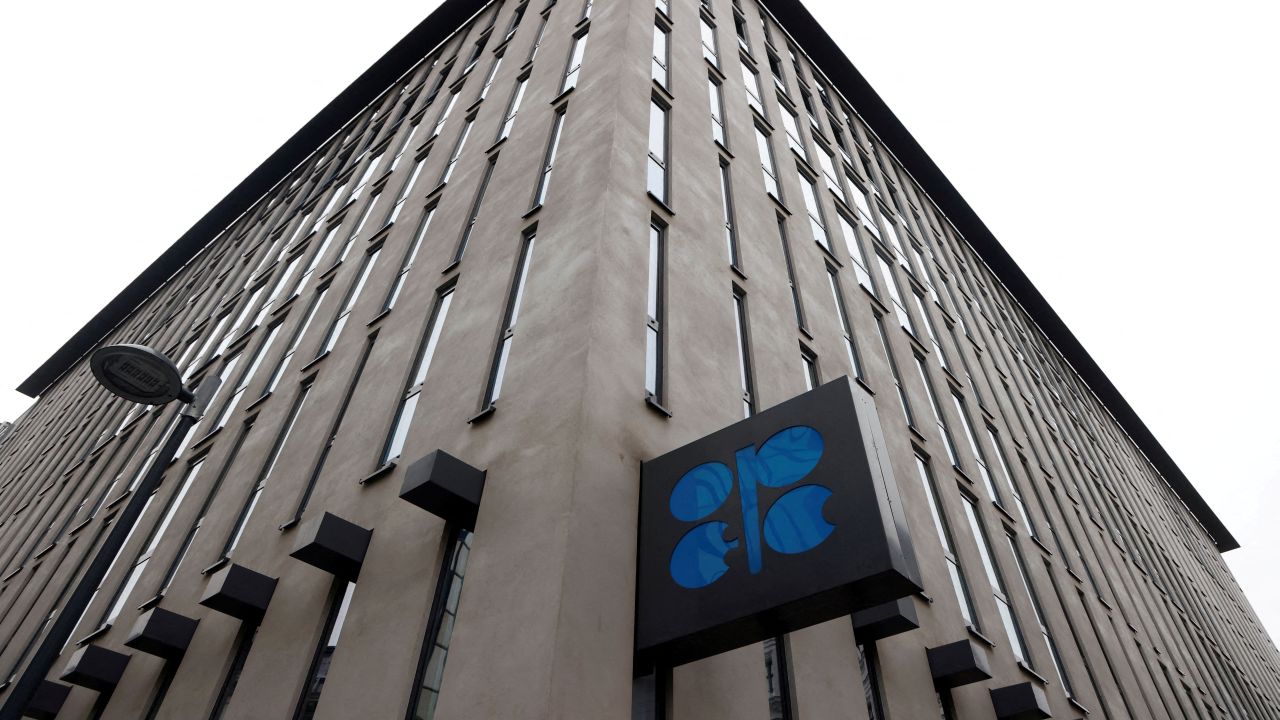
The United Arab Emirates is officially walking away from OPEC. On Tuesday, Abu Dhabi confirmed it will exit the Organization of the Petroleum Exporting Countries and the broader OPEC+ alliance on May 1. While the move sent Brent crude climbing toward $111 a barrel, the real story isn't about a sudden price spike. It is about a fundamental shift in the power dynamics of the Middle East and the death of a 60-year-old marriage of convenience between the region’s two most powerful economies.
For years, the UAE has played the role of the dutiful but frustrated junior partner to Saudi Arabia. That era is over. By leaving the cartel, the UAE is betting that its future as an energy superpower depends on volume and flexibility, not the collective price-fixing that has defined the Gulf for half a century.
The Arithmetic of Defiance
The math behind this split is cold and calculated. Under the current OPEC+ quota system, the UAE has been forced to keep millions of barrels of oil in the ground to support a price floor that primarily benefits the Saudi treasury. While Riyadh needs high prices to fund its trillion-dollar "Vision 2030" projects, the UAE has already moved into a different phase of its economic evolution.
Abu Dhabi has spent the last five years pouring $150 billion into the Abu Dhabi National Oil Company (ADNOC). That investment has pushed its production capacity toward 5 million barrels per day. Under OPEC rules, however, it was often restricted to pumping barely 3 million.
Imagine spending billions to build a high-performance engine, only to be told by your neighbor that you are never allowed to drive it over 40 miles per hour. Eventually, you stop asking for permission and just leave the garage.
A Geopolitical Rift Disguised as Policy
While UAE Energy Minister Suhail Al Mazrouei framed the exit as a "policy-driven evolution," the timing suggests a much deeper fracture with Riyadh. The two nations are currently on opposite sides of a shadow war for regional influence that spans from the ports of the Horn of Africa to the battlefields of Sudan and Yemen.
The ongoing conflict involving Iran has further complicated the relationship. As the Strait of Hormuz faces persistent disruptions, the UAE has found itself more closely aligned with Washington’s desire for market liquidity than with the Saudi preference for tightening the screws on supply.
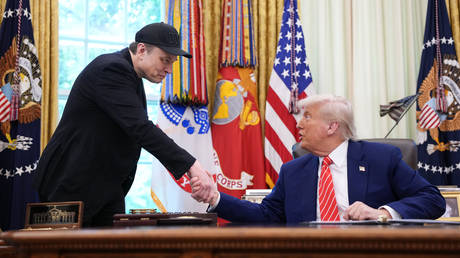
By exiting OPEC, the UAE also aligns itself strategically with a potential shift in U.S. energy policy. Donald Trump has long viewed OPEC as a monopoly that hurts the American consumer. By striking out on its own, Abu Dhabi secures a seat as the "favored partner" in Washington, positioning itself as a reliable, independent supplier that doesn't take orders from a committee in Vienna.
The Qatar Precedent and the Domino Effect
The UAE is not the first to leave, but it is the most significant. Qatar left in 2019 to focus on natural gas. Angola walked out in 2024 after a bitter dispute over production baselines. Each departure chips away at the cartel’s "all-for-one" facade.
When a middle-tier producer like Angola leaves, it is a headline. When the UAE—the third-largest producer in the group—leaves, it is a structural collapse. The remaining members are now left with a stark choice: continue to follow the Saudi lead or seek their own independent paths to monetization.
Why This Matters for the Gas Pump
In the short term, the UAE's exit creates a vacuum of uncertainty. Markets hate a lack of coordination, and the initial reaction has been a flight to higher prices. However, the long-term outlook is different.
Without the shackles of OPEC quotas, ADNOC is free to flood the market with its excess capacity. This will likely lead to a more competitive pricing environment by late 2026. The UAE’s strategy is clear: sell as much as possible, as fast as possible, before the global energy transition makes oil less relevant.
The Sovereignty Gamble
There is a significant risk in this "go-it-alone" strategy. Without the protection of the cartel, the UAE is exposed to the full volatility of the global market. If a global recession hits and demand craters, Abu Dhabi won't have the collective shield of OPEC to help stabilize prices. They will be competing for market share against the very neighbors they just abandoned.
But for the leadership in Abu Dhabi, the risk of staying was higher than the risk of leaving. Being tethered to a Saudi-led policy that ignored their massive capital investments was no longer sustainable.
The UAE isn't just leaving a trade group; it is declaring its independence from the old Gulf order. The era of the oil cartel as a unified geopolitical force is dying, replaced by a ruthless, every-nation-for-itself scramble for revenue in a world that is slowly starting to look beyond the era of fossil fuels.
The divorce is final, and the repercussions will be felt far beyond the trading floors of London and New York.