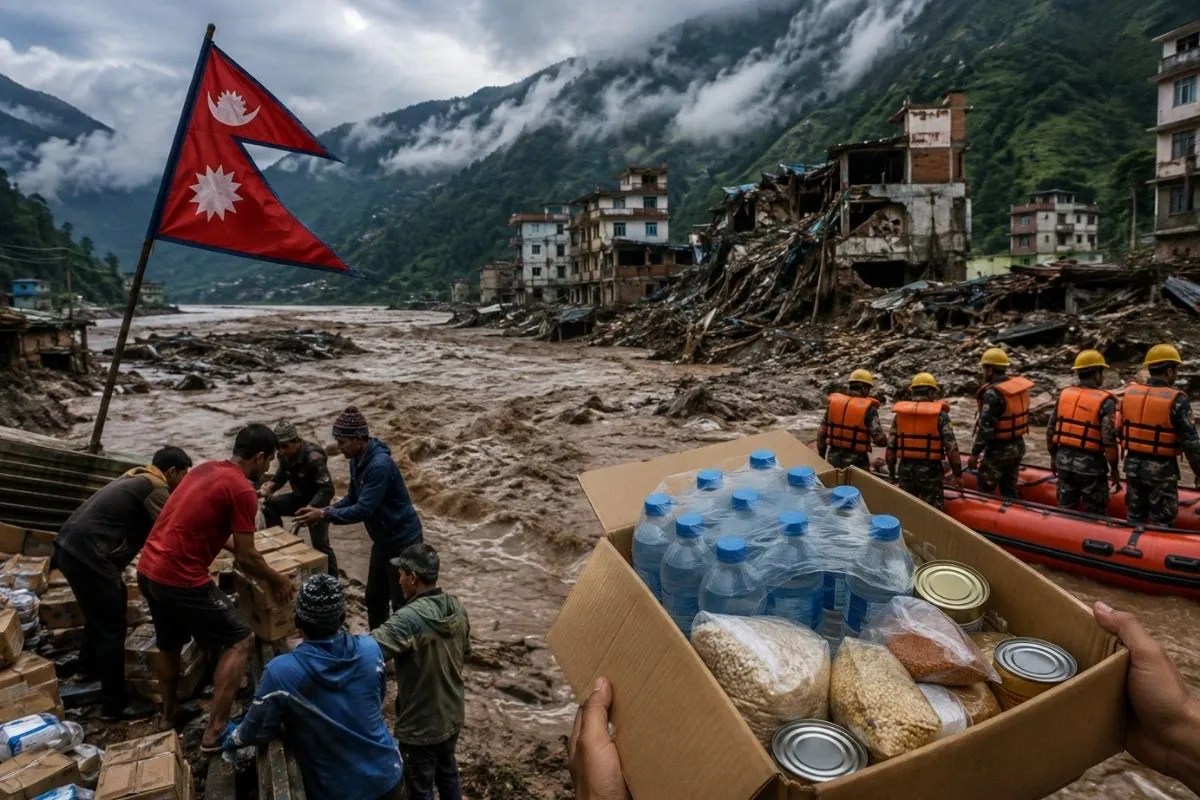
Nine days after catastrophic flash floods tore through the Himalayan terrain, the Narayani River in Bharatpur, Nepal, continues to surrender the dead. The waterways—having swallowed entire communities upstream along the Bhote Koshi and Trishuli channels—carry a grim tally downstream, transforming this southern valley into an overwhelming center of grief and forensic breakdown. Over 300 unidentified bodies have been placed in temporary graves here, not out of choice, but because local morgue capacity collapsed entirely under the sheer volume of the tragedy.
When disaster science meets geographic reality, the results are frequently catastrophic. Years of covering humanitarian crises across South Asia teach you to look past the initial shock value of footage and examine the systemic failures underneath. The physical mechanics of a flash flood in a mountainous nation like Nepal guarantee that victims are displaced dozens of miles from where they lived. When a torrent moves at highway speeds through narrow gorges, it strips homes from foundations and sweeps away identification documents, mobile phones, and recognizable clothing.
By the time these remains travel down into the flatter, wider expanse of Bharatpur, decomposition is advanced. Forensic teams are facing an impossible equation. Traditional methods of identification—visual confirmation by relatives or standard fingerprinting—fail when skin is degraded by days in rushing, debris-heavy water.
The Anatomy of a Forensic Bottleneck
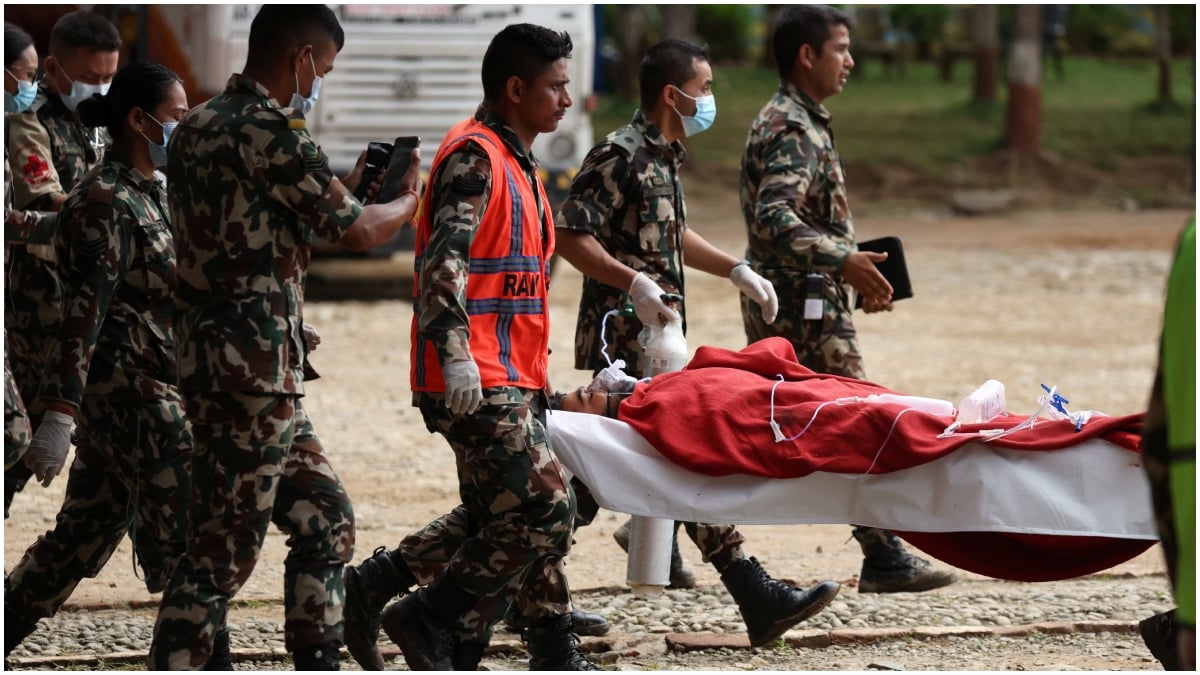
Disaster management protocols dictate that mass casualty events require immediate triage, mobile morgue units, and rapid DNA collection infrastructure. In practice, remote districts lack the persistent cold-chain storage required to hold hundreds of bodies safely during humid monsoon weeks.
Local health outposts in Bharatpur were overwhelmed within forty-eight hours of the catastrophe. Refrigerated containers are rare commodities in regional Nepalese municipal budgets. Consequently, authorities had to make harrowing administrative choices. They opted for temporary mass burials alongside the riverbanks, marking each plot with a numbered stake.
Every number represents a missing person whose family sits nervously outside local administrative tents. These families endure a specific kind of psychological torture. They hold onto fragments of hope, combing through logs of height, clothing descriptions, and salvaged personal trinkets.
[Upstream Torrent: Bhote Koshi / Trishuli]
                 │
                 ▼
[Downstream Accumulation: Narayani River, Bharatpur]
                 │
                 ▼
[Capacity Failure: Morgues Overwhelmed]
                 │
                 ▼
[Temporary Solution: Numbered Graves & DNA Sampling]
DNA profiling offers the only scientifically sound path to closure, yet genetics laboratories are stretched to their absolute limits. Swab collection from families is slow, and processing timelines stretch across weeks. Meanwhile, continuous monsoon rains threaten to destabilize the temporary burial grounds, raising the horrifying prospect of secondary exhumation challenges if the soil washes away.
Infrastructure Vulnerability and Ecological Reality
This disaster is not merely an act of angry weather. It is the direct product of compounding environmental pressures in fragile river basins. Unregulated sand mining, poorly planned hydropower construction along Himalayan tributaries, and shifting monsoon patterns due to global temperature spikes have altered how water moves through mountain passes.
When hillsides give way, they do not just drop dirt; they drop entire ecosystems into the river channel. Hydroelectric tunnels, designed to channel water for energy, occasionally become death traps or artificial bottlenecks that alter the natural drift of sediment and debris. Workers caught inside during sudden surges face zero warning time, compounding the death toll with missing laborers whose companies struggle to provide accurate rosters.
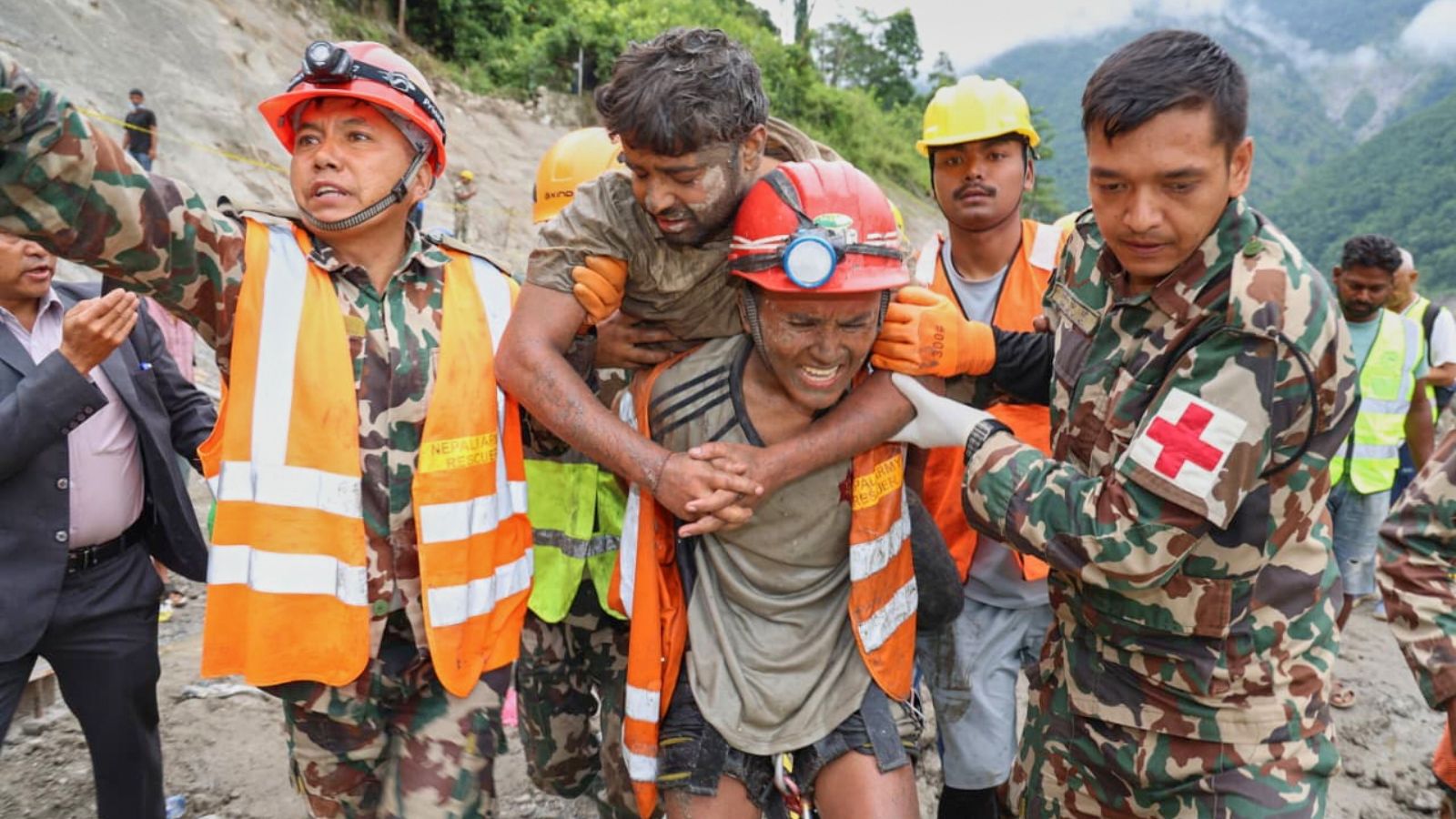
The political and administrative response reveals a stark regional disparity. While federal agencies pledge compensation and launch high-level inquiries, the day-to-day burden falls on municipal workers, local police officers, and volunteers wading into mud with wooden poles and makeshift stretchers. They are performing the work of forensic pathologists without proper protective equipment, risking waterborne infections like leptospirosis and cholera as they comb through the silt.
The Weight of Unclaimed Loss
Societal impact lingers long after international media crews pack up their satellite trucks. In many Nepali communities, funeral rites carry profound spiritual weight. The concept of an unaddressed, uncremated, or anonymous passing violates deep-seated cultural expectations of how a life should be honored.
Families standing by the Narayani are not just looking for a body; they are looking for finality. When state systems fail to provide rapid answers, communities invent their own rituals, holding symbolic funerals along the riverbanks with photos and garments. These ceremonies offer emotional solace, but they do not solve the legal limbo of missing persons declarations, inheritance disputes, or insurance claims that require official death certificates.
The river keeps moving, cutting through the plains toward India, washing past concrete pillars of half-built bridges and fields choked with gray silt. In Bharatpur, the wet earth bears rows of numerical markers, silent testaments to a catastrophe that refuses to be neatly filed away. As long as the water yields its fragments, the search continues, bound to a shoreline where answers remain buried under inches of mud.