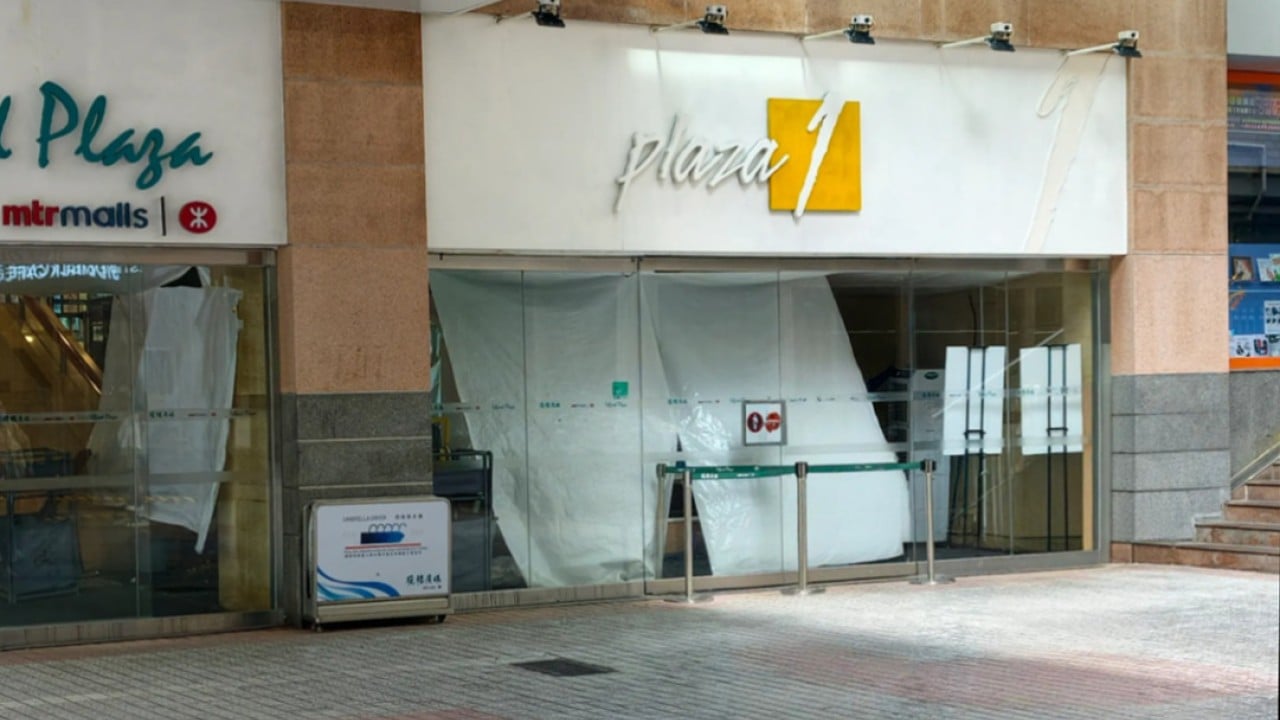
A falling ceiling panel at an MTR Corp shopping plaza recently injured a pedestrian, triggering the usual corporate scramble: a cordoned-off zone, a brief statement of regret, and the promise of a thorough investigation. To the casual commuter, it looks like an isolated piece of bad luck. To anyone tracking the structural reality of mass transit infrastructure, it is a flashing red light. This is not a story about a loose screw in a shopping mall. It is a symptom of an aggressive, multi-year shift in how transit giants balance retail profitability against aging civil engineering.
When a heavy decorative or acoustic panel detaches from a ceiling in a high-traffic transit hub, the immediate corporate reflex is to blame localized moisture or a faulty contractor installation. The real culprit is almost always systemic maintenance deferred in favor of commercial optimization.
The Profit Machine Masking Structural Decay
MTR Corp is globally revered for its "Rail plus Property" business model. It is a brilliant financial strategy that many international transit authorities try, and fail, to replicate. By developing high-density residential and commercial towers directly above stations, the corporation funds its rail operations without relying entirely on government subsidies.
However, this model creates an intense internal contradiction. The shopping plazas integrated into these hubs are treated as premium retail environments. They require constant aesthetic upgrades, heavy foot traffic, and rapid turnarounds for tenant fit-outs. Beneath the polished marble floors and pristine faux-ceilings sits the vibrating, shifting skeleton of a major railway station.
The physical strain on these structures is immense. Every day, thousands of trains generate low-frequency vibrations that ripple through the concrete foundations and up into the commercial ceilings. Over decades, this microscopic, continuous movement compromises mechanical fixings, weakens adhesive bonds, and stresses internal suspension grids. When you overlay these vibrations with the constant drilling, hammering, and structural alterations driven by retail tenant turnover, the integrity of the hidden ceiling space degrades silently.
The Blind Spot in Routine Inspections
Most public safety inspections in major commercial hubs rely on visual assessments. Inspectors look for water stains, visible sagging, or cracked plasterboard. This approach is fundamentally flawed.
Modern commercial ceilings are complex, multi-layered systems. They hide a dense jungle of air conditioning ducts, electrical conduits, fire suppression pipes, and digital infrastructure. A ceiling panel rarely falls because the panel itself failed. It falls because the hidden hanging bracket holding it up rusted through, or because an outsourced technician accidentally nudged the support frame while running a new fiber-optic cable.
Visual inspections cannot spot a hairline fracture in a galvanized steel clip buried under three layers of insulation. To catch these failures before gravity takes over, operators must deploy non-destructive testing methods like thermal imaging or ultrasonic testing. These diagnostics cost significant money and require shutting down commercial zones, which slashes retail revenue. When faced with the choice between keeping a lucrative plaza open or tearing open the ceiling to check a bracket, corporate momentum almost always favors the cash register.
The Risk of Subcontracting Accountability
The liberalization of maintenance contracts has created a fractured chain of custody. Decades ago, rail operators maintained large, in-house engineering teams. These workers possessed a deep, institutional memory of every joint, tunnel, and ceiling grid in the network. They knew which stations suffered from micro-seepage and which plazas experienced the highest vibration loads.
Today, maintenance is frequently chopped up into short-term contracts awarded to the lowest bidder. A major transit corporation might hire a primary facility management firm, which subcontracts the HVAC work to a second company, which then hires a third-tier contractor to handle the ceiling repairs.
When a failure occurs, this fractured system creates an immediate accountability vacuum. The primary operator points to the contractor, the contractor points to the subcontractor, and the legal teams spend months debating the exact wording of a service-level agreement. Meanwhile, the public is left walking under thousands of tons of suspended architecture that relies on fragmented oversight.
The Moisture Problem No One Wants to Address
Subtropical environments present a brutal challenge to concrete and steel. High humidity combined with powerful, localized air conditioning creates a perpetual battle with condensation.
When warm, humid air from a station entrance hits the chilled air of an air-conditioned retail plaza, moisture forms instantly in the unventilated ceiling voids. This interstitial condensation targets the cheapest components in the building assembly: the unpainted screws, the raw edge of a cut channel, and the thin wire ties holding up acoustic insulation. Over a decade, this moisture slowly turns structural steel into brittle orange flakes.
Fixing this requires a complete overhaul of building ventilation standards in transit hubs. Voids must be actively dehumidified, and mechanical fasteners must meet marine-grade corrosion standards. Until those engineering changes become mandatory, the structural integrity of these spaces will continue to have an expiration date.
The incident at the plaza is a warning shot. Relying on reactive investigations after an injury occurs is a strategy designed to protect liabilities, not people. True infrastructure resilience demands an aggressive return to in-house engineering expertise, strict regulation of hidden structural components, and an admission that commercial spaces built on top of active railways cannot be managed like ordinary real estate.