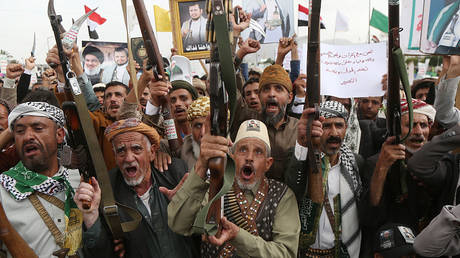
The fall of Mocha did not happen overnight, yet military planners in Western capitals acted as though it was an unexpected meteor strike. Iran-aligned Houthi forces seized the historic Yemeni port city, sweeping aside anti-Houthi factions and pushing deep into the southwestern coastline. This territorial acquisition alters the strategic arithmetic of the Red Sea basin. Twelve percent of global trade flows through the narrow maritime corridor just eighty kilometers south of Mocha. When a non-state actor with ballistic missile capabilities extends its staging ground toward the Bab el-Mandeb Strait, global supply chains tremble.
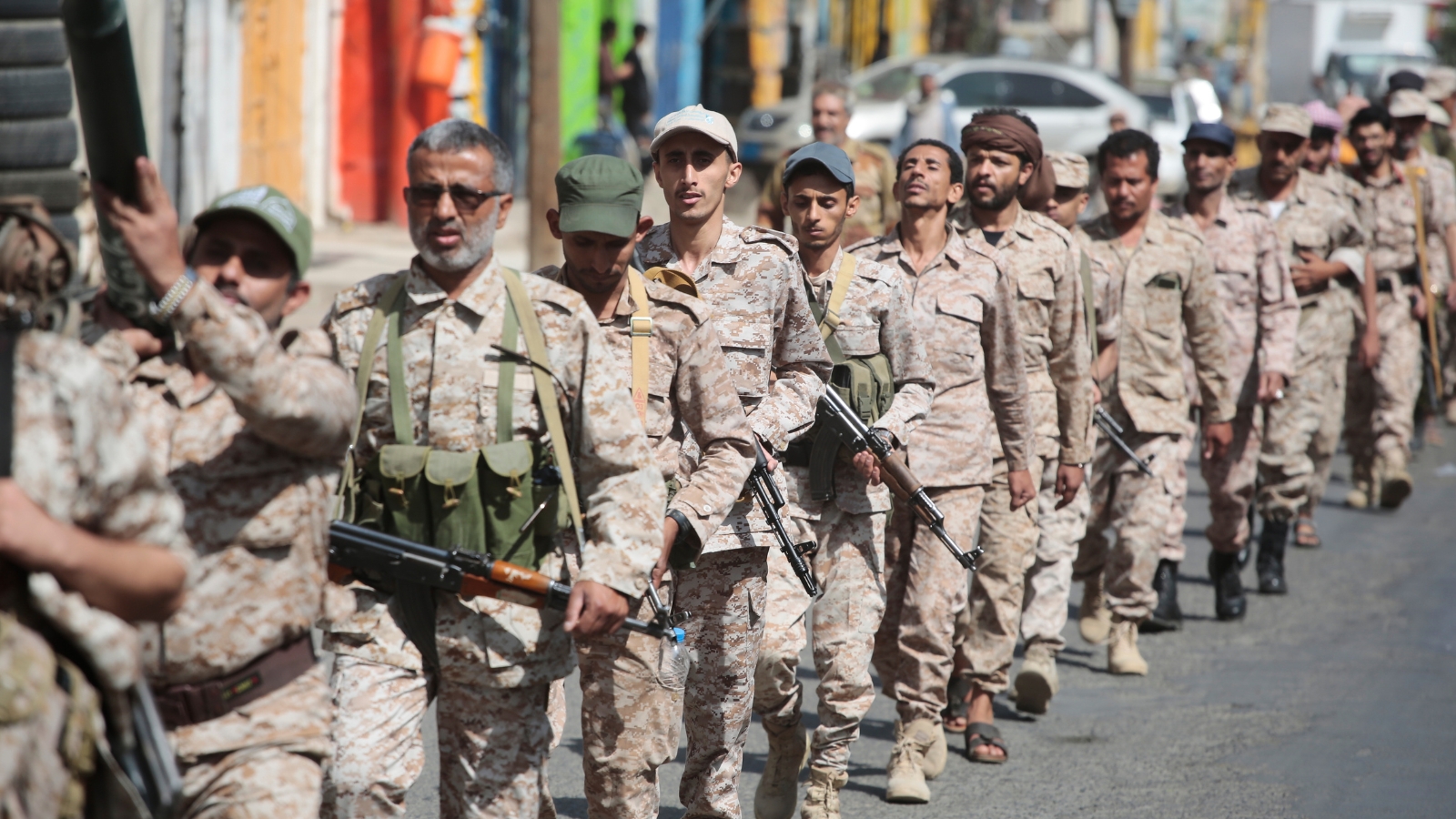
For years, analysts treated the Yemeni conflict as a localized civil war punctuated by temporary truces. That analytical laziness cost observers dearly. The Houthi military wing operates with institutional patience, enduring years of airstrikes while systematically building domestic arms manufacturing networks with Iranian technical assistance. When their offensive on Mocha materialized, the defensive lines held by the National Resistance Forces crumbled faster than anticipated.
The Geography of Coercion
Waterways do not care about geopolitics, but they amplify every physical advantage. The Bab el-Mandeb Strait measures a mere twenty kilometers across at its narrowest point. Controlling the coastline leading up to this chokepoint changes the tactical requirements for maritime disruption. Analysts pointing out that Mocha is not the strait itself miss the forest for the trees. Owning Mocha provides a forward logistics hub, a staging ground for small-boat swarms, and an emplacement zone for coastal defense batteries that can target commercial traffic with minimal warning time.
Consider a hypothetical scenario involving a 300-meter container vessel transiting northbound toward the Suez Canal. Under previous conditions, threats primarily originated from northern Houthi strongholds around Hodeidah, giving escorts hundreds of miles of transit time to prepare countermeasures. With Mocha under Houthi control, the threat envelope shifts south. The reaction window shrinks from hours to minutes. That compression breaks conventional naval defense models.
Why the Coalition Strategy Stalled
The anti-Houthi coalition built its strategy on defensive containment. Warships from multiple nations spent months patrolling the southern Red Sea, intercepting drones and shooting down anti-ship missiles at millions of dollars per engagement. This approach suffered from an unsustainable economic asymmetry. Firing a standard interceptor missile against a low-cost loitering munition drains state treasuries while the adversary spends pennies on the dollar.
More importantly, defensive patrols do nothing to reclaim lost land. While naval armadas guarded the shipping lanes, the political leadership governing the anti-Houthian factions fractured over internal rivalries, patronage networks, and geographic divisions. Mocha had transformed into a militarized zone packed with displaced fighters and competing militias, creating a fragile defensive posture. When the Houthi command launched its coordinated push, the defenders lacked the unified command structure necessary to mount a sustained counter-offensive.
The Energy Market Shockwave
Energy markets react instantly to physical threats near primary chokepoints. Following confirmation of the port's fall, Brent crude breached one hundred and five dollars per barrel. Traders understand a grim reality. With tensions around the Strait of Hormuz simultaneously constraining Persian Gulf exports, the alternative routes through the Red Sea represent vital arteries for global energy survival.
If the Bab el-Mandeb Strait becomes untenable for commercial tankers, shipping companies face a stark choice. They can absorb massive delays by routing around the Cape of Good Hope, or they can suspend operations entirely. Both choices inflict inflationary shocks on global manufacturing and fuel distribution. The capture of Mocha removes a major buffer protecting that southern maritime gateway.
The Limits of Air Power
Decades of military interventions in the Middle East demonstrate a recurring delusion. Policymakers consistently believe that tactical air strikes can permanently suppress entrenched insurgent movements. They cannot. The Houthi apparatus is decentralized, deeply embedded in civilian populations, and accustomed to operating under heavy bombardment. Dropping precision-guided munitions on coastal batteries addresses symptoms while ignoring the reality on the ground.
Territory won on the ground requires ground forces to reclaim it. Because regional capitals are unwilling to deploy massive infantry divisions into the rugged Yemeni theater, the tactical initiative remains with the group willing to absorb attrition and push forward. Mocha fell because the attackers committed cohesive ground power against a fragmented, exhausted adversary.
Beyond the Horizon
The fallout from this offensive extends far beyond regional skirmishes. Global shipping lines are rewriting insurance risk models for the entire western Indian Ocean. Insurers are expanding high-risk war zones, driving premiums sky-high and making marginal trade routes economically unviable. Smaller cargo operators are already abandoning the corridor, leaving major conglomerates to shoulder the risk while passing astronomical costs down the consumer pipeline.
Military analysts watching the Hanish Islands and the coastal approaches toward Perim Island see a clear trajectory. The objective is total dominance over the southern entrance to the Red Sea. As diplomatic channels stall and naval forces scramble to adapt to compressed reaction times, the balance of power along one of humanity's most critical maritime corridors has fundamentally fractured.