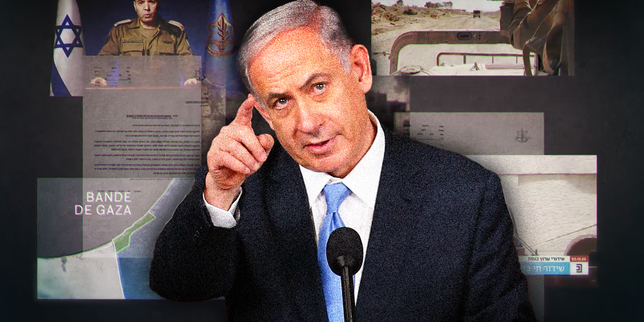
War doesn't just happen on the battlefield. It happens in the press room, on social media feeds, and inside the tightly controlled narratives crafted by military public relations units. Rare testimony from an Israeli soldier recently published by Le Monde pulls back the curtain on how military command structures operate when things go wrong under international scrutiny.
When hospitals turn into battlegrounds, the truth is usually the first casualty. Let's look at how official narratives are built, managed, and pushed out to the public during high-stakes military operations.
The Mechanics of Military PR Control
Information warfare is just as calculated as artillery positioning. When troops move into sensitive locations like the Nasser Hospital complex in Khan Younis, public affairs officers aren't just reacting to events. They are anticipating them days in advance.
The soldier's testimony reveals a structured internal effort to pre-emptively manage international outrage. Units on the ground supply filtered snippets, curated video clips, and carefully timed leaks to friendly outlets. Why? Because shaping the initial headline matters more than correcting the record three days later.
If you've ever wondered why conflicting accounts emerge within minutes of a major strike, look at the chain of command. Spokespersons rely on operational units for details. If those units sanitize the operational reality, the public gets a polished fiction wrapped in military jargon.
Why Hospitals Become Narrative Battlegrounds
Medical facilities enjoy protected status under international humanitarian law. Striking them or conducting military raids inside wards triggers immediate global condemnation. That puts immense pressure on military command.
Instead of admitting failures or strategic miscalculations, communication teams lean on standard playbooks:
- Shifting the burden of proof onto local medical staff or international organizations.
- Releasing heavily edited footage out of context to justify sudden escalations.
- Delaying independent investigations until public attention shifts to a new crisis.
The raid on Nasser Hospital wasn't just a tactical operation. It was a test of media endurance. Command structures know that modern news cycles burn out fast. If you can muddy the waters for seventy-two hours, the momentum behind independent scrutiny fades.
Breaking Through the Propaganda Fog
Consuming news from active conflict zones requires a healthy dose of skepticism. When military insiders finally speak out months later, they confirm what independent investigators and human rights groups argued all along. Official statements issued during active operations are designed to protect institutions, not to inform the public.
Don't take press releases at face value. Look for independent verification, cross-reference reports from medical NGOs like Médecins Sans Frontières who operate on the ground, and pay attention to what military spokespersons choose to leave unsaid. The real story is almost always found in the gaps between official talking points.