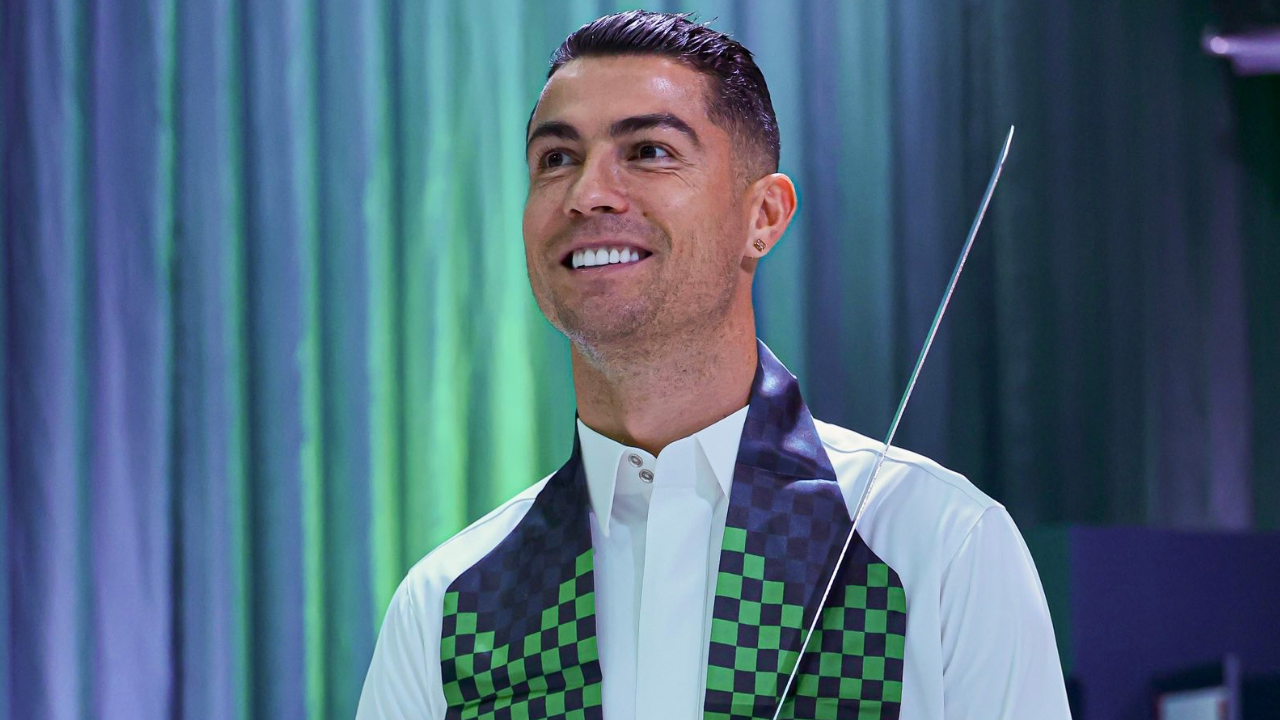
Manchester City has officially confirmed that Pep Guardiola will step down as manager at the end of the current season, terminating his contract twelve months early to conclude an unprecedented ten-year tenure. The 55-year-old Catalan, who won 20 major trophies including six Premier League titles and the 2023 Champions League, will transition into a Global Ambassador role for the City Football Group. Former Chelsea manager and City assistant Enzo Maresca is slated to take the helm. Yet, beneath the sentimental farewells and the glittering trophy counts lies a cold, structural reality that the club's hierarchy has actively tried to obscure.
Replacing a foundational manager is historically the most dangerous operation in modern sports business. City is not just losing a coach; they are losing the central pillar around which their entire sporting, financial, and political apparatus has revolved since 2016.
The Myth of the Plug and Play Manager
The prevailing narrative from the Etihad stadium suggests that Manchester City is an engineered machine. The theory goes that Chief Executive Officer Ferran Soriano and Sporting Director Txiki Begiristain built a corporate footballing blueprint so perfect that any highly competent, possession-oriented coach can step in and keep the production line moving.
This is a dangerous delusion.
The corporate structure was built to support Guardiola, not just any manager. When City spent years recruiting former Barcelona executives and designing their academy pipeline, they did so specifically to cater to one man's highly demanding, idiosyncratic football philosophy.
Enzo Maresca understands the tactical language, having served as Guardiola’s assistant. But understanding the architecture is entirely different from holding up the ceiling.
History shows what happens when a decade-long monolithic figure leaves an elite club.
- Manchester United (2013): Sir Alex Ferguson departed after 26 years, leaving behind a structurally hollowed-out club that spent over a billion pounds without ever truly replicating his authority or success.
- Arsenal (2018): Arsène Wenger left after 22 years, plunging the club into a multi-year identity crisis and tactical drift before finally finding stability.
In both historical cases, the outgoing managers held an informal veto over club decisions and commanded absolute deference from the locker room. Guardiola possessed that exact psychological leverage. A squad full of multi-millionaire international superstars obeyed him because his historical resume was greater than theirs. The moment a new manager walks through that door, the power dynamic changes instantly.
The Financial and Tactical Fatigue
The timing of this departure is not accidental. While Guardiola publically stated there is "no reason" for his exit, the reality on the pitch reveals a team that has stretched its physical and mental limits to the absolute maximum.
Arsenal claimed the Premier League title this season, marking the second consecutive year that Manchester City failed to win the domestic league. For a manager who demands flawlessness, dropping points to Bournemouth in the critical final stretch of the season exposed a squad suffering from deep tactical fatigue.
The squad requires an immediate, massive overhaul.
Kevin De Bruyne, the creative heartbeat of the midfield for the last decade, is deep into his thirties and facing mounting physical challenges. The core defensive units that provided the foundation for their historic four-in-a-row league titles have logged thousands of high-intensity minutes.
Guardiola chose to walk away rather than oversee a painful, multi-year squad reconstruction. He has done this before. In 2012, he left Barcelona after four exhausting years, citing intense fatigue and a feeling that he could no longer motivate the players to meet his standards. That he stayed in Manchester for ten years is a testament to the absolute control he was given, but even that control cannot stop the natural life cycle of a football squad.
The Overlooked Ambassador Shift
The announcement that Guardiola will immediately take up a role as a Global Ambassador for the City Football Group (CFG) is being spun as a continuation of love. It is actually a highly calculated corporate shield.
By keeping Guardiola on the payroll of the parent company, CFG ensures that their biggest asset cannot immediately sign with a direct European rival or an ambitious state-funded project elsewhere. It protects the brand. More importantly, it mirrors the corporate strategy seen across the sports landscape, such as Jürgen Klopp’s move to the Red Bull soccer apparatus.
Yet, having the ghost of the greatest manager in club history hovering over the organization as an "advisor" is a double-edged sword. Every time Maresca loses a match or drops points at home, the cameras will look to the director's box, or the media will analyze whether the Global Ambassador approves of the new tactical direction. It creates an environment of perpetual comparison, one where the new manager is constantly judged against an impossible, idealized past.
The Unresolved Shadow
We cannot analyze the end of this era without addressing the structural reality hanging over the entire institution. Manchester City is still facing 115 Premier League charges for alleged financial rule breaches spanning from 2009 to 2018.
The club strongly denies all wrongdoing.
While an independent commission has yet to deliver a final ruling, the uncertainty has deeply complicated long-term planning. Top-tier managerial targets and elite players look at potential sanctions—ranging from massive fines to enforced relegation—and hesitate to commit their prime years to an uncertain project.
Guardiola consistently defended the club's hierarchy in public, acting as the chief shield against intense media scrutiny. Without his immense public authority and defensive rhetoric, the club's public relations front becomes significantly more vulnerable.
The Illusion of a Smooth Succession
The appointment of an assistant or a disciple is the oldest trick in football boardrooms. It is done to project calm to shareholders, sponsors, and fans.
But a disciple is rarely the messiah.
When Bob Paisley succeeded Bill Shankly at Liverpool in 1974, it worked spectacularly, establishing a multi-decade dynasty. That is the exception, not the rule. More often, the step-up from assistant to permanent boss reveals the vast gulf between being a well-liked tactician and being the ultimate decision-maker who must cut players, handle hostile media, and shoulder the blame for systemic failure.
City’s revenues hit £694 million in recent financial reports, built entirely on the global visibility generated by a decade of absolute dominance. If that dominance slips by even ten percent, the commercial engine slows down, impacting player recruitment and accelerating the decline.
The Aston Villa match on Sunday marks the end of an era of sporting perfection. What follows is not a continuation of a machine, but a fragile experiment in corporate succession that very few sporting institutions have ever successfully navigated.