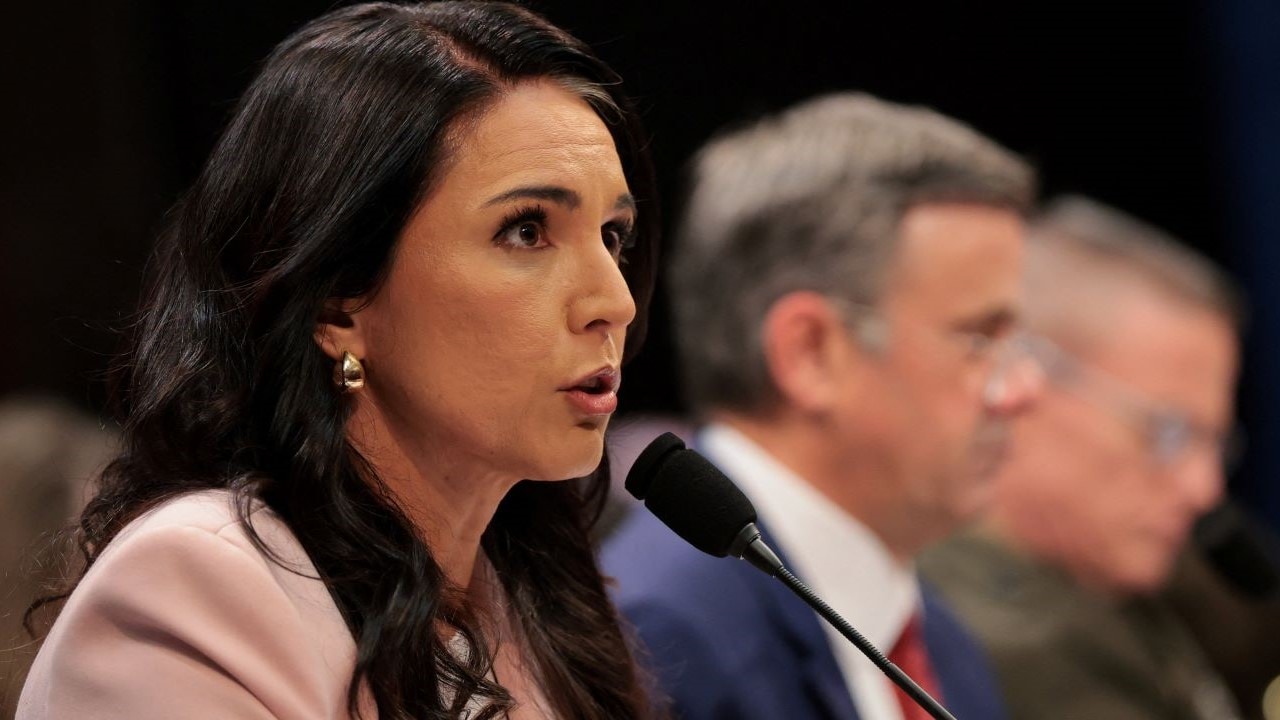
Director of National Intelligence Tulsi Gabbard announced her resignation, effective June 30, following an intense period of internal friction within the administration. While her official resignation letter points directly to a deeply personal crisis—her husband Abraham’s recent diagnosis with a rare form of bone cancer—intelligence community insiders reveal that this exit was accelerated by a widening ideological chasm over the administration's military campaign against Iran.
Gabbard is the fourth Cabinet-level official to depart during this administration. Her exit marks the end of a turbulent 15-month tenure overseeing America's spy agencies. Behind the scenes, her departure signals a deeper structural fracture in Washington, exposed by a foreign policy shift that directly collided with the anti-war principles that originally defined her political identity. For a different perspective, see: this related article.
The Breaking Point Behind Closed Doors
The public narrative focuses heavily on a family emergency, and the severity of her husband's medical battle is undisputed. But in the corridors of the Office of the Director of National Intelligence (ODNI), the countdown to this exit began months earlier. The catalyst was the joint U.S.-Israeli military strikes against Iran launched on February 28.
For a veteran and former lawmaker who built her brand on opposing foreign interventions, the escalation was an impossible pill to swallow. The administration's sudden shift to active conflict shattered a delicate truce between the traditional defense hawks and the America First isolationists who populated the cabinet. Related coverage on the subject has been published by The New York Times.
Signs of the fracture surfaced publicly in March during the annual worldwide threats hearings on Capitol Hill. Gabbard delivered measured, visibly strained testimony before the Senate and House Intelligence Committees. Rather than echoing the White House line, she pointedly sidestepped questions regarding whether the administration had properly weighed the economic fallout of the strikes, including the subsequent disruption of shipping lanes in the Strait of Hormuz.
More damagingly, her submitted written testimony stated that Iran had made no attempt to rebuild its nuclear infrastructure after previous strikes had neutralized its program. This assessment directly undermined the administration's public rationale that an immediate, devastating threat required the February bombardment.
A Chain Reaction in National Security
Gabbard was not alone in her quiet resistance. Her departure follows the high-profile resignation of Joe Kent, the director of the National Counterterrorism Center, who stepped down in March after stating he could not in good conscience back the war.
The exit of both the ODNI chief and a top counterterrorism official within weeks of each other exposes a systemic purge of dissenters. White House officials had quietly grown weary of Gabbard's hesitation to weaponize intelligence to justify ongoing regional operations. Sources familiar with the situation indicate that while the personal tragedy provided the timeline, elements within the West Wing had already been actively squeezing her out, viewing her as an unreliable partner in an expanding wartime posture.
The friction also extended to domestic operations. Rumblings of discontent had grown over Gabbard's unconventional involvement in high-profile domestic law enforcement actions, such as her presence during a federal search at a Georgia election facility. Career intelligence analysts grew uncomfortable with what they perceived as the political blurring of lines between foreign intelligence collection and domestic political maneuvers.
The Looming Vacuum at Langley and Beyond
Principal Deputy Director Aaron Lukas will step in as acting director. This transition occurs at a highly volatile moment. The intelligence community is currently managing critical blind spots created by regional retaliation in the Middle East, while simultaneously tracking expanded deployments of Russian nuclear assets to Belarus and 5,000 U.S. troops sent to Poland.
An acting director rarely possesses the political capital to push back against a hawkish National Security Council. Career analysts fear that without a Senate-confirmed director willing to speak truth to power, the intelligence provided to the Oval Office will become increasingly manicured to fit pre-existing policy objectives rather than objective reality on the ground.
The institutional memory of the intelligence apparatus is being rapidly depleted. When political appointees clash with the permanent bureaucracy during an active conflict, the result is rarely a compromise. It is a paralysis of analysis. The administration now faces the challenge of finding a successor who can clear a rigorous confirmation process while remaining entirely compliant with a wartime agenda.
Gabbard’s departure highlights a broader structural reality in modern governance. A leader can successfully pivot from being a insurgent political figure to a loyal cabinet member, but when the administration's actions directly violate that leader's core philosophy, the tenure possesses an expiration date. The crisis facing American intelligence is not merely about who fills the vacant seat at the top of the organizational chart. It is about whether the agencies can maintain objective analysis when the White House demands absolute ideological alignment.