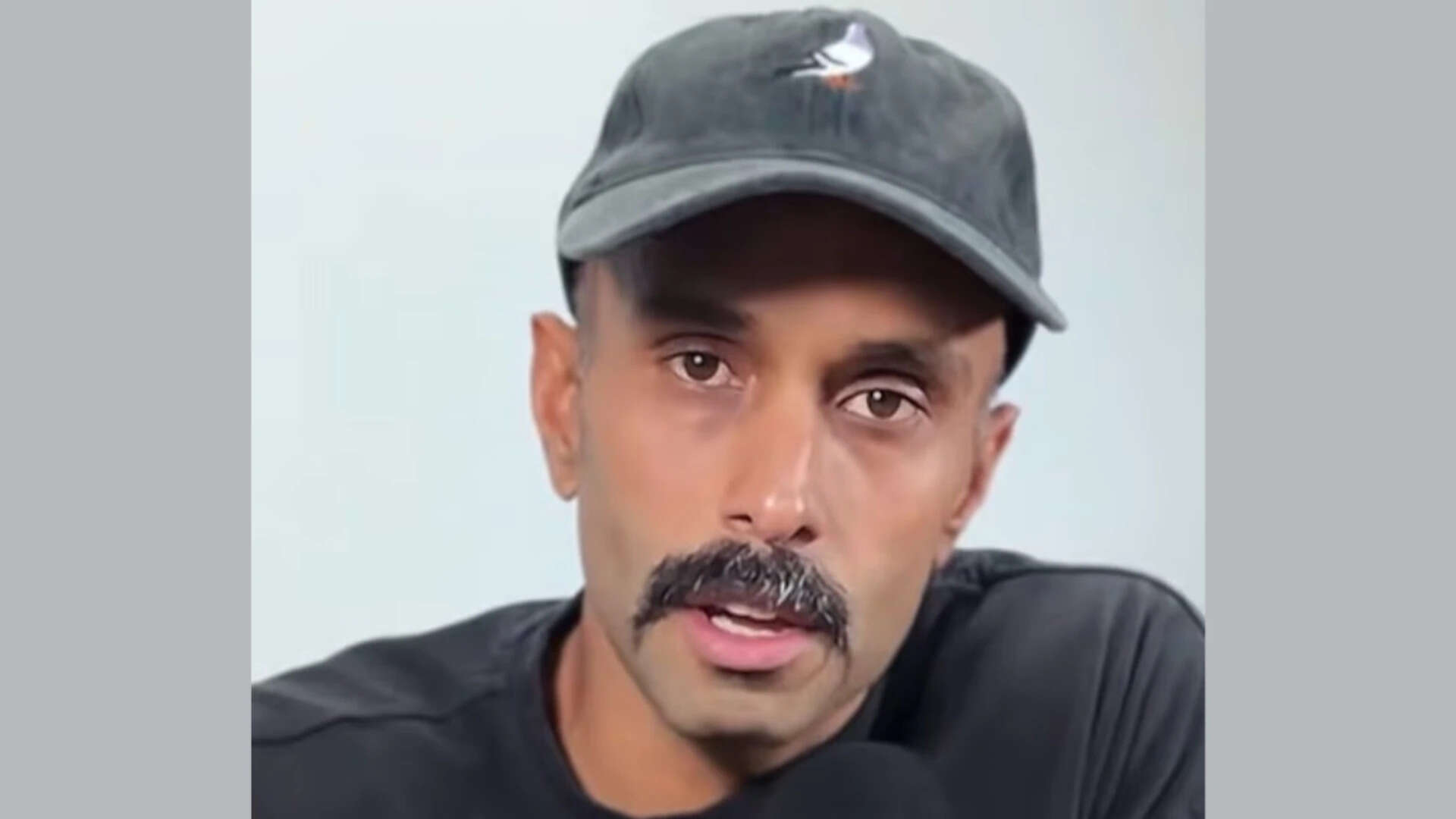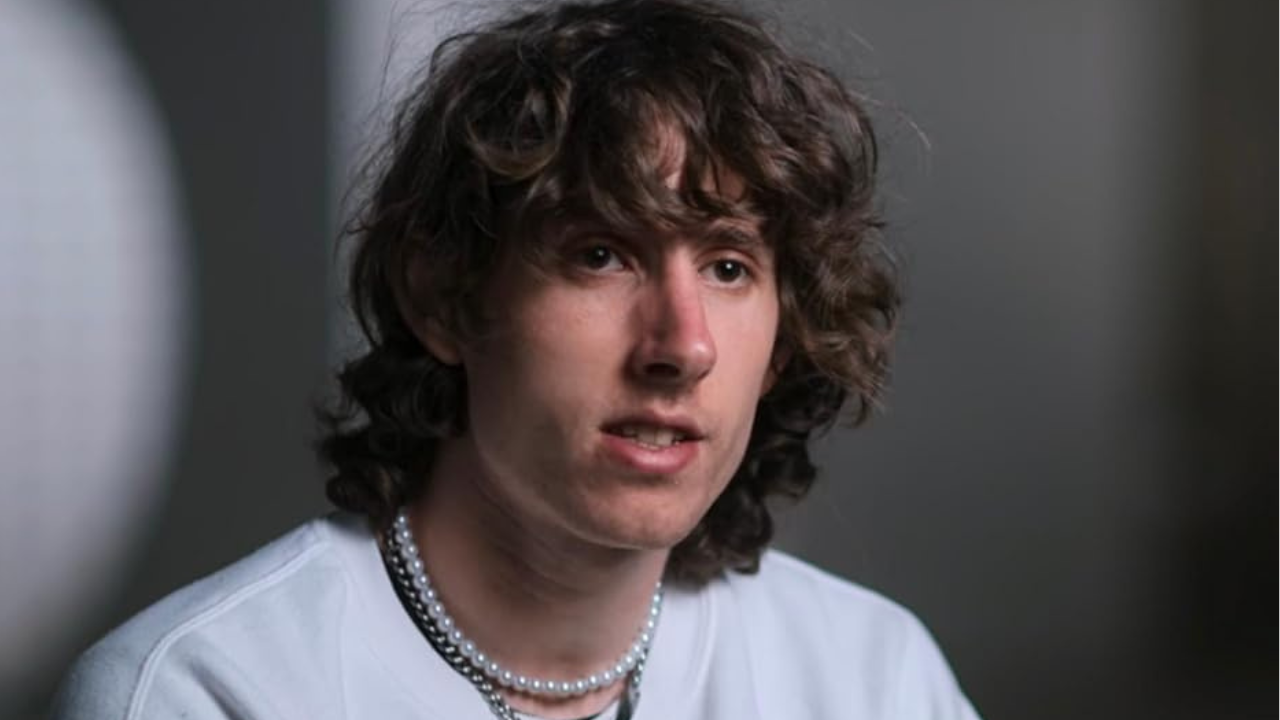
The corporate machinery of a retail franchise just collided with a rogue YouTuber in a war over plastic bricks, a vanishing fundraiser, and an 83-year-old man's life savings.
On June 10, 2026, a GoFundMe campaign holding more than $457,000 abruptly blinked out of existence, displaying a chilling "Fundraiser not found" error. It was engineered by a high-stakes corporate lawsuit designed to freeze the digital capital of internet creator Ben "Reckless Ben" Schneider. By afternoon, the page was quietly restored, but the brief blackout exposed the brutal anatomy of how modern corporate entities weaponize the legal system to choke out viral whistleblowers.
This is not a simple dispute over missing toys. It is a multi-state legal war involving a hostile corporate takeover, tactical police arrests, alleged religious collusion, and a gag order threatening jail time for anyone who speaks out.
At the center of it all lies an elderly man's health crisis, a local franchise squeezed by corporate lords, and the terrifying speed at which grass-roots digital defense funds can be wiped out with a single legal filing.
The Consignment Trap and the Hostile Takeover
The fuse was lit back in 2023 when Ed Mansell, an 83-year-old man facing declining health, made a decision to liquidate his pride and joy. Alongside his son, Bryan Mansell, he entered a consignment agreement with a Bricks & Minifigs franchise outlet in Salem-Keizer, Oregon. The inventory was staggering. Nearly 780 rare, mint-condition Star Wars LEGO sets valued at roughly $200,000.
The contract was standard retail logic. The store, operated by franchisees Chrystal Law and Benjamin Gorman, would showcase the massive collection, sell off sets gradually, and take a 35% commission. Crucially, the legal ownership of the plastic empire remained firmly with the Mansell family until a customer's receipt cleared. If the agreement terminated, the unsold stock was to walk right back out the front door with the Mansells.
For a year, the system functioned. By late 2024, approximately half the collection had sold, channeling crucial cash toward Ed’s medical expenses. Then corporate came knocking.
In November 2024, Bricks & Minifigs Franchising (BAMF) corporate abruptly executed an aggressive termination of Law and Gorman’s franchise agreement. The original store operators allege that they were pushed out in a hostile corporate maneuver, forced to hand the keys over to a new corporate-sanctioned operator, Brandon Best.
Before being evicted from their own storefront, Law and Gorman documented the inventory. They sent copies of the original consignment contracts, inventory sheets, and clear security footage directly to the BAMF corporate office. They made it undeniable that a massive portion of the Mansell family's property was physically sitting on the showroom floor.
What happened next is a masterclass in corporate plausible deniability. The new management claimed total ignorance. When the Mansell family attempted to inspect the remaining inventory or collect missed payments, they were barred. The new store operators insisted their franchise contract was entirely fresh and that they had no legal obligation to honor a deal made by the previous owners.
The $100,000 in remaining LEGO sets had simply vanished into the corporate ether, seamlessly absorbed into the store's new inventory without a dime of compensation sent to an ailing old man.
Weaponizing the Police and the Move to Mexico
When the civil courts moved too slowly, Bryan Mansell found an unconventional ally in Reckless Ben. Schneider, known for aggressive, gonzo-journalism style investigations, turned his camera lens onto the corporate hierarchy of Bricks & Minifigs.
The pushback was instantaneous, asymmetric, and deeply alarming.
As Schneider and his production crew traveled to Utah to serve legal papers to corporate personnel, local law enforcement agencies suddenly pivoted from passive observers of a civil dispute into an active, aggressive security detail for the corporate interests.
The American Fork Police Department launched a series of highly targeted operations against the documentary crew.
- The Vehicle Search: Acting on an anonymous, unverified "tip" claiming Schneider’s vehicle contained heroin, police pulled over and searched the crew. No drugs were found.
- The Airbnb Raid: Armed with a search warrant, police raided the crew's temporary lodging under the baffling pretense that a missing $100,000 commercial LEGO collection was being hidden inside a residential rental unit.
- The Mass Arrest: On March 10, 2026, Schneider and several members of his film crew were arrested and slapped with criminal charges including stalking, targeted picketing, and trespassing.
The pressure campaign culminated in a tactical error by the police. The American Fork Police Department inadvertently leaked unredacted bodycam and dashcam footage via a public Dropbox link on YouTube. While the department quickly scrambled to delete the files, internet archivists captured the footage.
The leaked audio confirmed what Schneider had been shouting from his platform. Large swathes of the audio had been deliberately redacted in official releases to mask the direct, comfortable coordination between local police officers and the new franchise owners. Schneider openly alleged that shared insular networks within the local region were being leveraged to protect corporate actors from outside accountability.
The legal vise tightened. After a judge released Schneider on bail, a secondary arrest warrant was swiftly issued. Facing immediate incarceration designed to halt his documentary production, Schneider made an extreme choice. He fled the United States, operating from an undisclosed location in Mexico to keep his cameras rolling and his edits uploading.
The Digital Chokehold and the Disappearing Half-Million
As public outrage reached a fever pitch, Bricks & Minifigs CEO Ammon McNeff went on the offensive. The corporate strategy transitioned from quiet evasion to total legal scorched-earth.
The company permanently shuttered its Salem-Keizer storefront on June 4, effectively dissolving the physical crime scene of the original dispute. Two days later, BAMF corporate slapped Schneider, Bryan Mansell, and their associates with a massive lawsuit. The filing accused the defendants of a "coordinated multi-platform campaign" using fabricated claims and manufactured confrontations meant to extort the brand.
Then came the digital chokehold.
BAMF didn’t just sue; they went after the financial pipelines keeping the resistance alive. They sent formal legal demands to Patreon, insisting the platform immediately terminate Schneider’s creator account to cut off his operational funding. It backfired spectacularly when Patreon CEO Jack Conte publicly intervened, telling the corporation to "stuff it" and inviting them to sue Patreon directly in defense of creator independence.
But GoFundMe proved more vulnerable to corporate pressure.
Using the pending litigation and manufactured claims that Schneider was utilizing the platform to fund "deceptive practices," corporate lawyers successfully triggered GoFundMe’s automated compliance algorithms. On June 9, the fundraiser—which had surged past $450,000 to cover the Mansells' stolen retirement and spiraling legal fees—vanished.
[ GoFundMe Campaign Status ]
June 8: $445,000 Active (Growing via viral momentum)
June 9: "Fundraiser Not Found" (Terminated via corporate legal complaint)
June 10: $457,000 Restored (Reactivated after intense public backlash)
The removal of the GoFundMe was a calculated move to break the Mansell family's financial spine just as a preliminary hearing was set for June 30. Without those funds, an ordinary family cannot survive the billable hours required to fight a multi-million dollar corporate apparatus.
The sheer volume of public outcry and independent journalistic scrutiny forced GoFundMe to reverse the suspension within twenty-four hours, but the incident proved a terrifying truth. Your community can raise half a million dollars to fight an injustice, and a corporate compliance letter can delete it in a millisecond.
The Gag Order and the Silence Strategy
The corporate strategy has reached its logical conclusion. Silence.
On June 9, 2026, Schneider was digitally served with an aggressive, sweeping emergency injunction. The court document contains a strict gag order. If Schneider uploads another video, posts a tweet, or even utters the words "Bricks & Minifigs" on a public platform, he faces immediate, non-bailable jail time for contempt of court.
In a stark, hurried broadcast titled "My final message," a visibly strained Schneider informed his millions of viewers that he is legally forced to cease all commentary. The corporate legal team successfully argued for the restriction by alleging that Schneider’s audience was generating bomb threats and death threats against corporate staff—a claim Schneider vehemently denies, but one that judges routinely use to justify pre-trial silence.
The corporate playbook executed here is flawless in its brutality.
First, absorb the assets of a local consignment through a franchise transition.
Second, use local law enforcement to criminalize the investigators.
Third, freeze the crowdfunding platforms to starve the victims of legal representation.
Fourth, secure a pre-trial gag order so the public forgets the story exists before it ever reaches a jury.
The Salem-Keizer storefront is empty, its windows dark. The Mansell family remains without their collection and without their money, staring down a June 30 court date against a corporation that has successfully silenced their loudest advocate.
The GoFundMe is back online for now, sitting as a static monument of public defiance. But the cameras have been forced to turn off, proving that in the modern economy, a corporation doesn't need to win the argument if they can simply buy the right to enforce your silence.