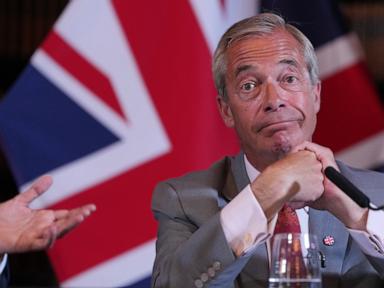
The political architecture of modern Britain rarely produces theater quite as absurd or revealing as the unfolding crisis in Clacton. When Nigel Farage decided to resign his parliamentary seat, triggering an entirely self-manufactured by-election, he imagined a triumphant coronation. He wanted a theatrical mandate from the Essex coast to wave away mounting questions regarding his personal finances and undeclared donations. Instead, the gamble blew wide open. Major establishment parties smelled a stunt and flatly refused to field mainstream candidates, leaving the populist firebrand sharing a ballot paper with thirty-four hopefuls. Most jarringly, his primary challenger in national headlines has become a satirical space warrior wearing a metal bin on his head.
To understand why this political circus matters, one must look past the novelty helmets and examine the mechanics of contemporary populism under pressure. Farage spent decades styling himself as the ultimate anti-establishment outsider, a pint-wielding rebel fighting against closed-door political elites. Yet, holding a parliamentary seat changes the physics of political survival. When parliamentary watchdogs begin digging into millions in cryptocurrency donations and hidden financial support, the outsider cloak frays. Resigning to fight a snap contest was designed to shift the battleground from a dusty committee room back to the emotional comfort of a populist rally.
It was a high-risk tactical maneuver. By forcing a local contest where Labour, the Conservatives, and the Liberal Democrats opted out, Farage stripped the race of traditional partisan friction. Without a conventional Tory or Labour opponent to polarize the electorate, the vacuum was filled by an army of independents and satirists. Enter Count Binface, the alter-ego of comedian Jon Harvey, whose platform promises everything from nationalizing singer Adele to capping the price of Eurovision entries. Polling numbers that place a satirical candidate anywhere near a double-digit share of the vote in a hard-right stronghold signal something deeper than mere electoral mischief. They highlight a fatigue with perpetual grievance politics.
The mechanics of the Clacton by-election expose the structural vulnerabilities of Reform UK. When a political vehicle relies entirely on the charismatic gravity of a single leader, any institutional scrutiny directed at that leader threatens the entire enterprise. Farage can shout about a "people versus the establishment" narrative until his voice cracks, but the underlying trigger remains administrative and financial. Parliamentary rules require transparency regarding donations received ahead of an election. Dodging that scrutiny by throwing a local constituency back into an abrupt campaign cycle does not erase the underlying legal and ethical obligations. It merely pauses them.
Voters in coastal Essex are politically shrewd. Many backed Brexit enthusiastically and embraced Reform UK's platform out of a deep-seated frustration with municipal decline and neglected public services. They wanted a hammer to send to Westminster. Yet, watching their Member of Parliament trigger an expensive local poll merely to preempt a Westminster watchdog inquiry tests the limits of that loyalty. A hypothetical voter walking down Pier Avenue might wonder why their local representation is being used as a personal shield against financial accountability.
This is where the presence of alternative candidates changes the psychological dynamic of the ballot box. In a normal two-party race, tactical voting forces people to hold their noses and pick the least worst viable option. When the major parties boycott the ballot, the pressure valve opens. Protest votes do not need to go to a traditional runner-up. They can fragment wildly, or they can pool behind a candidate who openly mocks the absurdity of the entire exercise. When a man wearing a kitchen utensil becomes the default vehicle for tactical anti-Farage sentiment, the nature of political authority shifts from dignified debate to surreal theater.
Political scientists watching the numbers roll in will look past the sheer entertainment value. They will analyze the absolute turnout and the drop from the 2024 general election highs. If Farage secures an overwhelming majority despite the absence of major rivals, his inner circle will claim complete vindication. If his vote share compresses significantly, or if turnout plummets because local residents view the whole affair as an unnecessary ego trip, the narrative changes overnight. It will suggest that the bulletproof aura protecting the Reform UK leader has begun to crack at the seams.
The parliamentary watchdog will not disappear when the ballots are counted. Once the summer recess concludes and the House of Commons resumes sitting, the inquiries into non-declared gifts and overseas funding streams will pick up right where they left off. Winning a local by-election buys parliamentary presence, but it grants no immunity from regulatory statutes. Farage can run an energetic campaign on the windswept promenades of Essex, but he cannot legislate away the paper trail.
Democracy often absorbs its own contradictions with remarkable resilience. Sometimes that resilience looks like rigorous forensic journalism and committee hearings. Other times, it looks like a citizen standing on a stage in silver armor debating the merits of extortionate croissants. As the votes are tallied in Clacton, the real test is not whether the populist leader can beat a space warrior. It is whether the electorate cares more about anti-establishment pageantry than accountability.