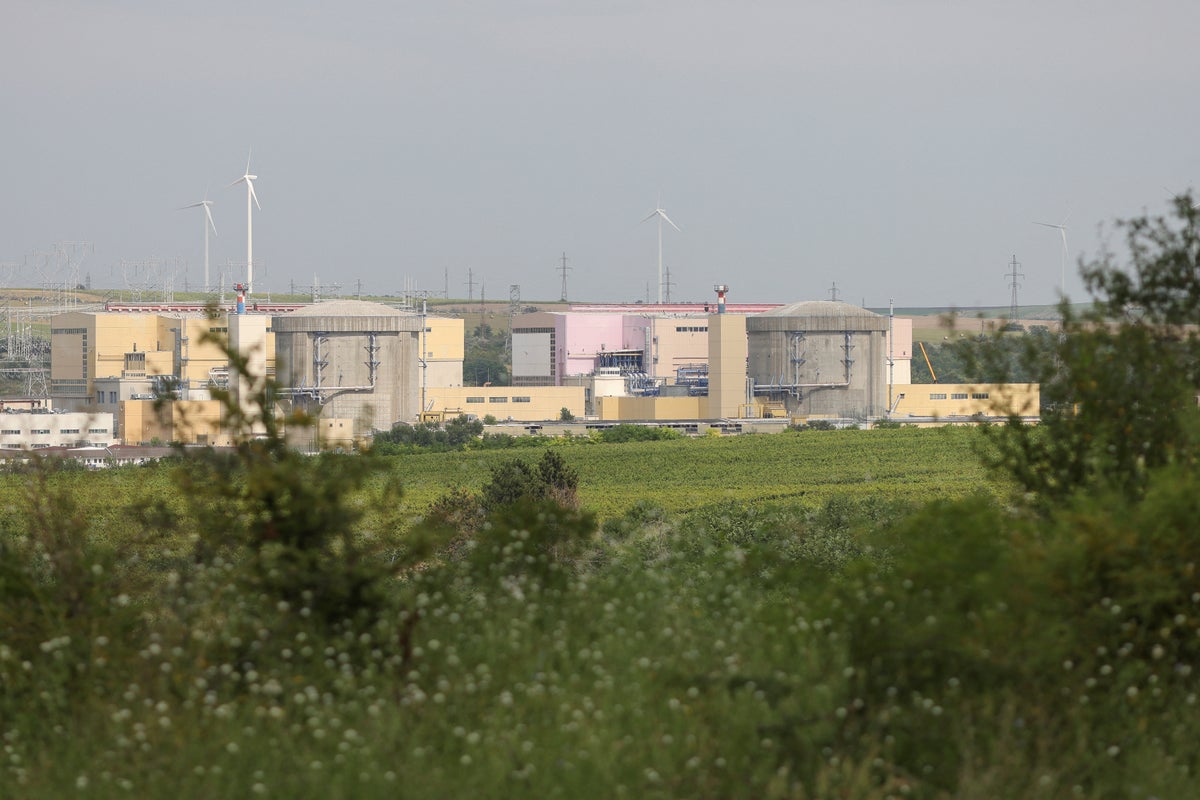
Low water levels on the Danube River are forcing emergency interventions in Romania to protect the Cernavoda nuclear power plant from operational shutdowns. When hydro-engineering projects are scrambled to reroute dwindling flows toward critical cooling intakes, it signals a systemic vulnerability in European energy infrastructure that goes far beyond a seasonal dry spell.
The immediate trigger is stark. Prolonged drought and exceptionally low precipitation across Central and Eastern Europe have reduced the Danube's discharge capacity. Because the Cernavoda plant relies on millions of liters of water per second from the river for its secondary cooling systems, dropping water levels threaten to compromise safety margins and trigger automatic reactor trips. Regulators and plant operators cannot gamble with core cooling. Diverting flows through emergency channel dredging and temporary hydro-technical barriers has become the only immediate defense against a catastrophic grid failure.
The Engineering Reality of River-Cooled Reactors
Thermal power plants, whether fueled by uranium, coal, or gas, are massive thermodynamic engines. They convert heat into electricity, and whatever heat is not converted must be rejected into the environment. For Cernavoda, situated on the Danube-Black Sea Canal branch, that environment is the river system.
Nuclear units require a continuous, high-volume supply of cooling water. When intake temperatures rise or water volumes drop, the plant's thermal efficiency plummets. More critically, if the intake channels lack sufficient depth, pumps risk cavitation, pulling in air or sediment instead of liquid. That is an operational nightmare. Operators face a grim binary choice. They can reduce reactor power output to lower thermal rejection demands, or they can shut the units down entirely to prevent core damage.
Romania operates two CANDU pressurized heavy-water reactors at Cernavoda, supplying roughly twenty percent of the nation's electricity. Losing even one of these units during a peak summer heatwave strains a national grid already stressed by soaring air-conditioning demand and diminished domestic hydropower generation. The diversion operations currently underway on the Danube are an attempt to buy time, forcing stubborn geography to bend to energy security needs.
Why Infrastructure Planners Miscalculated
We built these assets for a climate that no longer exists. Decades ago, when the site locations for major European industrial facilities were selected, historical hydrological baselines offered predictable parameters. Planners looked at fifty-year flood charts and century-old drought records, assuming that river flows would fluctuate within a comfortable, manageable band.
Those assumptions are now obsolete. Climate shifts have rewritten the hydrological cycle in the Danube basin. Alpine snowpacks melt earlier and faster, leaving spring torrents that rush away before summer even begins. Summer rainfall totals are erratic, punctuated by blistering heatwaves that bake the riverbeds dry.
Yet the institutional response remains reactive. Instead of redesigning intake architectures for low-flow resilience, authorities rely on emergency dredging permits and makeshift canal diversions. These are band-aids on a gushing wound. Every summer brings the same frantic scramble to move earth, shift sandbars, and redirect water toward critical infrastructure. It is a game of diminishing returns. Each year, the river has less to give.
The Ripple Effects Across the European Grid
Energy markets do not exist in a vacuum. When Romania faces a capacity shortfall at Cernavoda, the shockwaves travel across regional interconnectors. Neighboring countries in Southeast Europe rely on Romanian power exports to stabilize their own grids during peak demand windows.
If Cernavoda throttles back production, spot market prices spike instantly. Coal and gas plants across the region have to ramp up to fill the void, driving up carbon emissions at the exact moment policymakers are trying to drive them down. This exposes the fragile contradiction at the heart of the current energy transition. We are pushing hard to electrify everything while leaving the underlying physical assets exposed to environmental volatility.
Furthermore, water diversion is a zero-sum game. When you redirect water toward a nuclear plant intake, you take it away from someone else. Agricultural irrigation districts downstream watch their water allocations shrink. Municipal water treatment plants face rising salinity as saltwater intrudes further up the canal mouths. Ecosystems suffer as vital wetlands lose the minimum ecological flows necessary to sustain aquatic life. The emergency fix for the power plant creates a cascading crisis for agriculture, ecology, and municipal supplies.
Confronting the Structural Deficit
Fixing this problem requires a radical shift in how we approach industrial water dependency. Temporary channel excavation will not suffice for the decades ahead.
Operators must invest in closed-loop cooling towers or hybrid cooling systems that reduce direct river water dependency by up to ninety percent. Yes, retrofitting a heavy-water nuclear facility with massive cooling towers is astronomically expensive. It requires capital expenditure that utilities prefer to avoid. But the alternative is recurring vulnerability to climate shocks that threaten multi-billion-dollar assets with enforced idleness.
Governments must also stop treating water management and energy policy as separate portfolios. Energy security is water security. Until regulatory frameworks force plant operators to harden their facilities against extreme hydrological stress, we will continue to watch engineers desperately dig trenches in shrinking rivers, praying for rain before the reactors run dry.