A moderate 5.2-magnitude earthquake struck western Nicaragua near Villa El Carmen, sending subtle tremors through the capital city of Managua. While a standard news brief maps the epicenter and moves on, the real story lies in the terrifying geological reality of the Central American volcanic arc. This specific tremor, registering at a depth of 120 kilometers, is not an isolated incident but a symptom of a highly volatile subduction zone that historical data shows is overdue for a catastrophic rupture.
The media routinely glides over these mid-tier events. They register them on automated maps, note the lack of immediate casualties, and archive the data. This reactive pattern ignores the cumulative stress building along the Pacific margin, where the Cocos tectonic plate aggressively forces its way beneath the Caribbean plate at a rate of roughly 70 to 80 millimeters per year.
To understand why a 5.2-magnitude event matters, one must look at the mechanics of depth. When a quake hits at 120 kilometers down, the surface shaking is muffled, which explains the absence of collapsed walls in Managua. However, deep intraslab events indicate intense, high-stress deformation inside the diving plate itself. The tension is not dissipating; it is shifting.
Nicaragua possesses a devastating history of seismic vulnerability that makes even minor fluctuations a gamble. In 1972, a shallow 6.2-magnitude earthquake leveled Managua, killing over 10,000 people. That event proved that magnitude is a deceptive metric. A shallow, low-magnitude rupture directly beneath an urban center with weak infrastructure is infinitely more lethal than a massive deep-sea tremor.
The current structural landscape of western Nicaragua remains a patchwork of unreinforced masonry and rapid, informal urban expansion. While modern commercial buildings in the capital adhere to stricter seismic codes, the surrounding residential sectors rely heavily on materials that disintegrate under heavy shear stress.
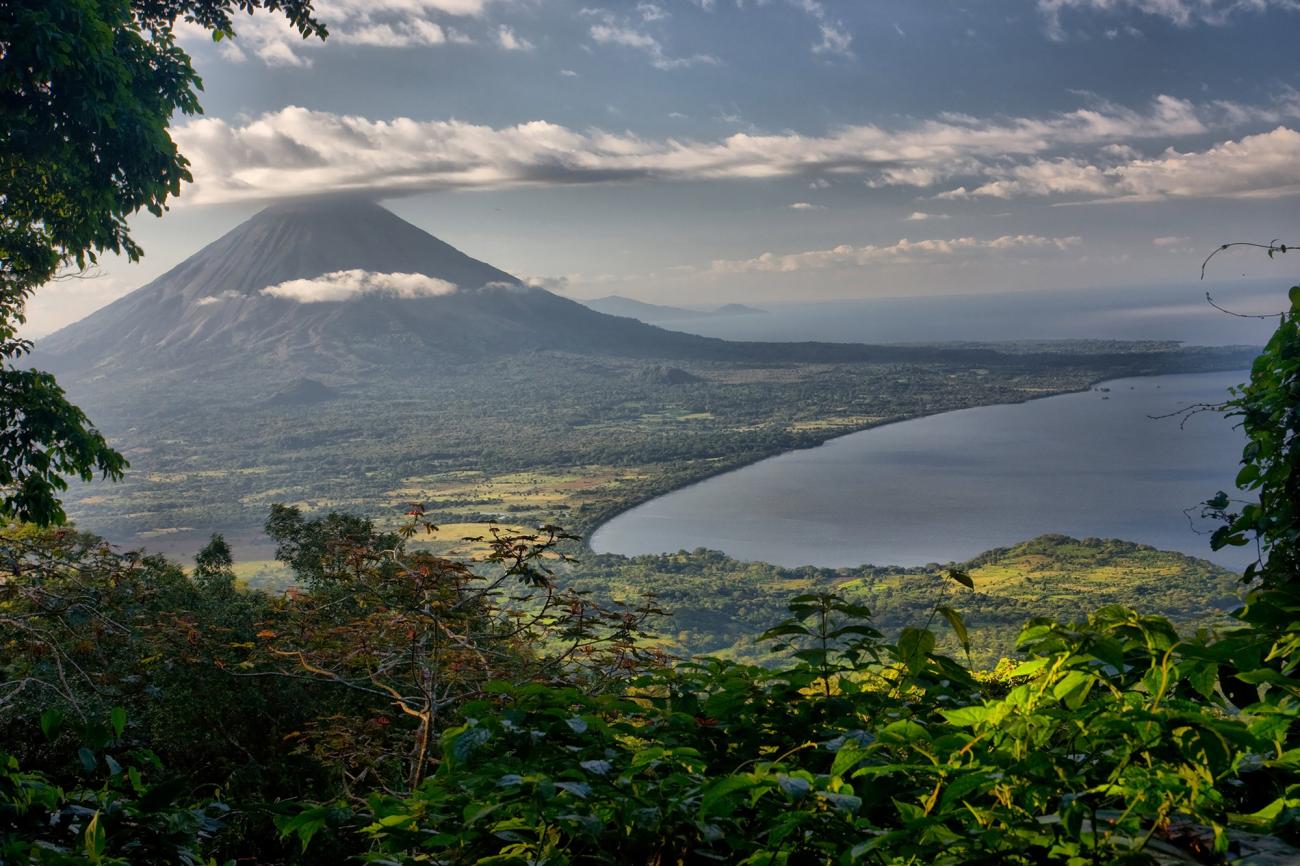
Furthermore, the geographic alignment of these tremors directly intersects with the Marrabios volcanic chain. Tectonic activity and volcanic plumbing are deeply intertwined in this region. Increased seismic friction can alter hydrothermal pressure systems underground, occasionally acting as a precursor to volcanic unrest at highly active sites like San Cristóbal or Telica.
Seismologists struggle with a fundamental limitation in forecasting. They can measure historical intervals and current crustal deformation, but they cannot pinpoint the exact hour the fault will give way. This uncertainty breeds complacency among local municipalities, which often deprioritize expensive retrofitting programs in favor of immediate economic demands.
Relying on luck because a deep 5.2-magnitude quake spared the surface is a dangerous strategy. The stress along the Middle America Trench is relentless, and the buffer between a harmless rumble and a humanitarian disaster is shrinking with every regional shift. Municipalities must enforce structural codes strictly across all economic sectors now, rather than waiting to audit the ruins later.


