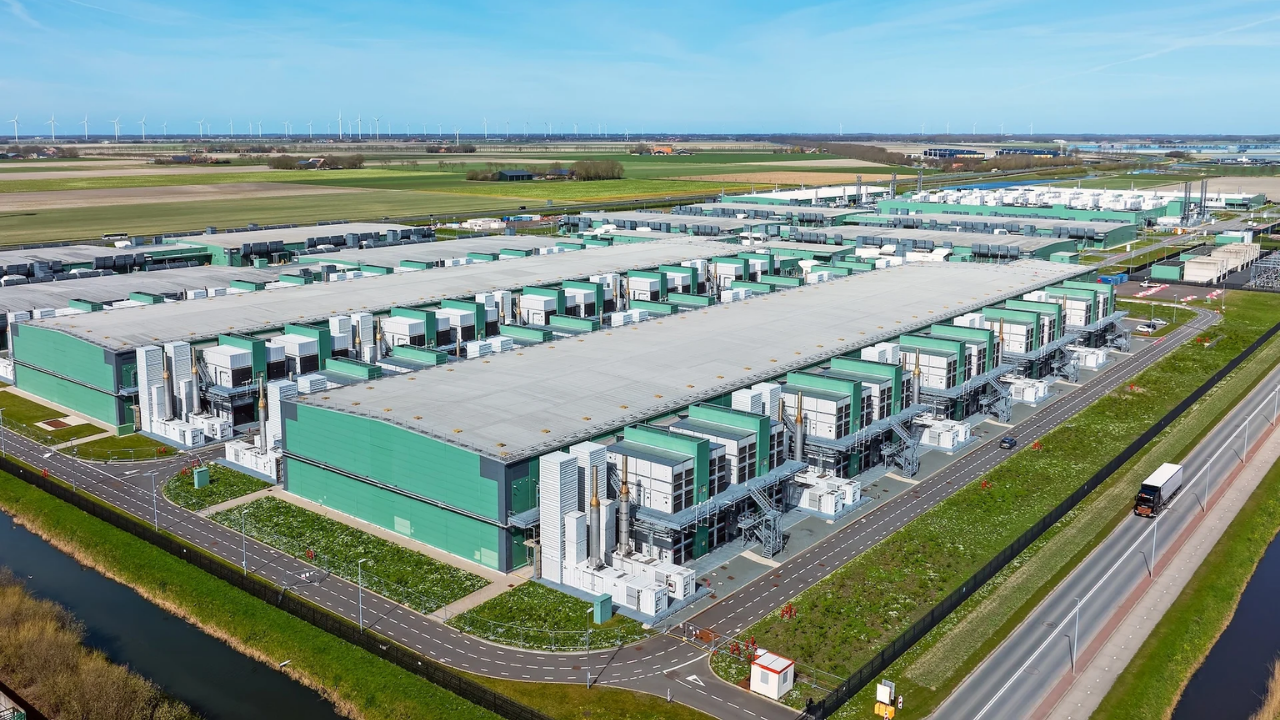
The traditional model of technology growth was a masterclass in capital efficiency. Software scaled with negligible marginal costs, cloud data centers printed high-margin cash flow, and engineering teams built products that required minimal physical heft. That era is over. Today, the largest technology conglomerates on the planet are locked in an infrastructure arms race that is consuming hundreds of billions of dollars at a velocity that defies historical precedent.
The core vulnerability is no longer software engineering or talent acquisition. It is the raw, unyielding cost of power, silicon, and real estate. Alphabet, Amazon, Meta, and Microsoft are pouring massive portions of their operating cash flow into specialized data centers and advanced accelerators. This aggressive capital expenditure surge is straining balance sheets, burning through free cash reserves, and testing the very business model that made these corporations market titans in the first place.
Wall Street has historically rewarded scale. Yet, the current cycle introduces a different kind of risk. When capital spending outpaces the growth rate of operating cash flow, the financial cushion that protects these firms during a downturn begins to shrink.
The Mechanics of the Infrastructure Squeeze
To understand the current strain, look at how data centers are funded. For years, tech giants built infrastructure incrementally, matching capacity closely with proven customer demand. When AWS or Azure added servers, enterprise contracts were already signed to pay for them.
The artificial intelligence boom inverted this sequence. Companies are now building colossal facilities and locking up power purchase agreements years before enterprise software demand can possibly catch up. The assumption is that build-it-and-they-will-come economics will hold true.
Consider a hypothetical enterprise migrating core operations to an advanced analytical platform. The initial cost is fixed, heavy, and front-loaded, while the productivity gains arrive slowly, distributed over years of operational tweaks. Multiply that corporate dynamic across thousands of hyperscale deployments, and the cash flow drainage becomes immediately apparent.
Operating margins have historically hovered near comfortable highs for digital platforms. As depreciation charges on billions of dollars worth of specialized chips and cooling systems start hitting income statements, those margins face a structural headwind. The physical weight of the infrastructure is dragging down the asset-light agility that defined the sector for two decades.
The Revenue Realization Gap
The fundamental dilemma facing executive suites is the velocity of monetization versus the velocity of depreciation. Silicon chips degrade rapidly in value, and data center hardware has a finite operational window before it becomes obsolete.
Enterprise clients are cautious. While corporate procurement departments are eager to experiment with generative features, they remain resistant to paying premium subscription fees that truly cover the underlying infrastructure costs. Many corporate buyers view these tools as incremental productivity upgrades rather than transformational revenue engines.
Consider the software layer running on top of this hardware. If an enterprise customer uses an assistant to draft emails or summarize internal documents, the utility is clear, but the willingness to pay thousands of additional dollars per seat is often absent. This creates a widening gap between what the infrastructure costs to build and maintain, and what the market is actually willing to remit for the service.
When marginal costs for software drop near zero, heavy capital investments require massive volume to achieve payback. If user demand plateaus or prices compress due to intense competition among foundational model providers, the financial math changes rapidly. Companies are discovering that having the most sophisticated model in the market does not automatically guarantee pricing power.
Shifting From Equity to Debt
Another overlooked factor in this spending cycle is the reliance on external financing. For a long time, the dominant players funded their internal R&D and expansion projects almost entirely out of retained earnings. That internal funding model is fracturing.
As capital expenditures climb past operating cash flow generation, several hyperscalers have turned to corporate bond markets. They are issuing debt to finance multi-billion-dollar clusters of servers and energy infrastructure. While interest rates remain a persistent variable, the sheer volume of issuance introduces a layer of financial risk that has not existed in Big Tech balance sheets since the early days of the commercial internet.
Debt changes corporate behavior. When a firm finances expansion through free cash flow, mistakes are absorbed quietly. When a firm finances expansion through public debt markets, quarters of flat revenue growth immediately attract intense scrutiny from credit rating agencies and bondholders.
The Energy Bottleneck
Money is only one constraint. Physical power is the new bottleneck throttling expansion. Modern data center clusters require hundreds of megawatts of continuous electricity, pushing tech firms into direct competition with local utilities, manufacturing plants, and residential grids.
Building a server facility is no longer just about buying land and pouring concrete. It requires securing dedicated power generation, often forcing tech companies to invest directly in nuclear, geothermal, or expanded natural gas contracts. These energy commitments carry long-term liabilities that extend decades past the lifecycle of the silicon housed inside the buildings.
If energy prices spike or regulatory hurdles delay grid connections, billions of dollars in capital sit idle, generating depreciation without offsetting revenue. This introduces a heavy fixed-cost burden that cannot be easily scaled down when market conditions soften.
The industry is navigating an inflection point where physical realities are colliding with digital ambitions. The companies that survive this capital expenditure cycle without major structural damage will not be the ones that spent the most money, but the ones that successfully align their infrastructure costs with sustainable, recurring customer demand before the balance sheet strain forces a painful correction.