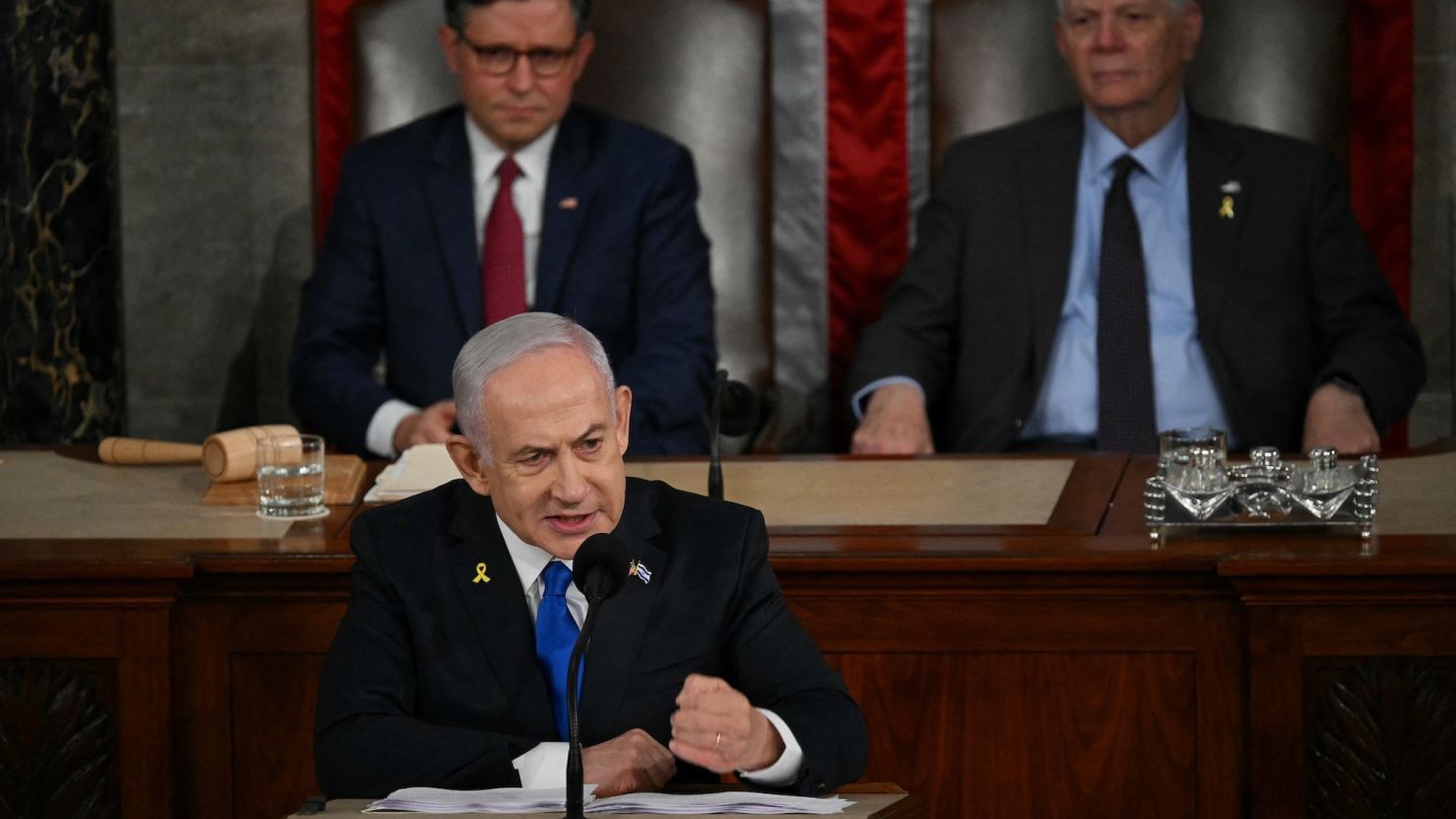
Israeli Prime Minister Benjamin Netanyahu faces a severe political threat heading into the October 27 parliamentary election, compounded by a visible cooling of relations with United States President Donald Trump. While recent polling shows Netanyahu's Likud party trailing behind challenger Gadi Eisenkot's Yashar faction, the absence of a presidential endorsement from Washington signals more than just a diplomatic snub. It reflects a fundamental divergence over regional strategy regarding Gaza, Lebanon, and Iran, stripping the veteran Israeli leader of a core asset that defined his previous campaigns.
For decades, Netanyahu treated proximity to the American presidency as an electoral shield. He built an entire political identity around his unique capability to navigate Washington corridors, bending American policy to fit Israeli security doctrines. That architecture is now showing structural fractures.
The Polls and the Panic
Public opinion metrics inside Israel have turned hostile toward the long-serving premier. Survey data from domestic pollsters position Eisenkot ahead of Likud, with the broader right-wing coalition bloc hovering near fifty seats in the 120-member Knesset. That mathematical reality leaves Netanyahu well short of a governing majority, exposed to an opposition better positioned to stitch together a functional coalition.
When Trump queried Netanyahu about his electoral standing during a White House visit, a visible hesitation preceded an aide's defensive interruption claiming victory. That moment captured the anxiety gripping the prime minister's inner circle. They know the aura of inevitability has evaporated.
The White House has taken notice of those numbers. American administrations historically maintain a veneer of neutrality during Israeli cycles, but Trump broke those unwritten rules in past years by delivering monumental gifts, including moving the embassy to Jerusalem and recognizing sovereignty over the Golan Heights. Denying a preemptive endorsement this time around is a deliberate withholding of oxygen.
Strategic Collisions Over Gaza and Tehran
Friction between the two leaders extends far beyond electoral mathematics. It is rooted in acute policy clashes over the endgame in Gaza and diplomatic channels with Iran.
Trump advanced a fifteen-point roadmap aiming for a phased Israeli military withdrawal tied to the disarmament of Hamas. Netanyahu publicly shattered that diplomatic choreography during a cabinet meeting, flatly rejecting the blueprint and insisting that Israeli forces will not yield ground until total, verified disarmament occurs.
This public defiance followed months of mounting irritation inside Washington. Reports leaked of explosive telephone exchanges where Trump criticized Israeli military actions in Lebanon and independent strikes against Iranian assets that threatened broader diplomatic initiatives. The American president reportedly questioned Netanyahu's judgment, an extraordinary departure from the bonhomie that once characterized their public appearances.
Netanyahu faces a cruel domestic paradox. Yielding to American pressure and accepting phased withdrawals risks alienating the far-right ultranationalists within his current coalition, whose backing he requires to forestall political collapse. Defying Washington plays well to his base but invites a complete breakdown of strategic coordination with Israel's most vital ally.
The Survival Playbook
Netanyahu has survived political obituary notices for thirty years. His resilience stems from a cold tactical genius that exploits every external threat for domestic consolidation. Facing criminal corruption charges alongside these compounding defense failures, he treats every election as an existential referendum on his personal freedom.
By openly clashing with Washington over the Gaza roadmap, Netanyahu is attempting to reframe the narrative. He wants to present himself to the Israeli electorate as the sole guardian capable of standing up even to his best friends. It is a high-stakes gamble. If the public buys the strongman defense, he might arrest his slide in the polls. If they view it as reckless posturing that isolates Israel internationally, the October vote will mark the final chapter of his historic tenure.
The cold shoulder from Washington is not merely a temporary diplomatic chill. It is an unvarnished signal that the blank check has expired, leaving a cornered prime minister to fight the political battle of his life without his favorite weapon.
Did Netanyahu Defy Trump? Israeli Strikes Raise Questions
This analysis explores the background of the tensions between Washington and Jerusalem over military actions and regional strategy.
http://googleusercontent.com/youtube_content/1