A federal judge just cracked open the door for a controversial architectural overhaul in Washington. U.S. District Judge Dabney L. Friedrich ruled that preliminary paint tests can move forward on the historic Eisenhower Executive Office Building.
For now, President Donald Trump's vision to slap a coat of white paint on the iconic 19th-century granite landmark is inching closer to reality. But the fight is far from over.
Why Everyone Is Fighting Over Granite
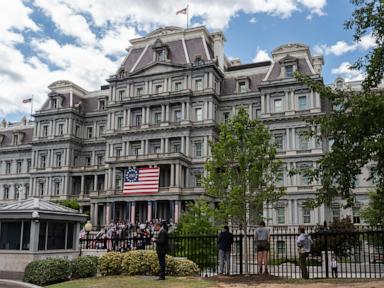
If you walk past the White House, you cannot miss the Eisenhower Executive Office Building. It stands out. While much of federal Washington wears standard neoclassical white marble or limestone, the Eisenhower building boasts a dark, imposing exterior of unpainted gray granite, slate, and ornate cast-iron trim.
That natural stone look is precisely what's under fire. Planners estimate a full paint job would cost at least $7.5 million. Proponents argue a bright white coat fits a grand plan to unify and beautify the capital's federal core.
Preservationists view things differently. Architectural historians, cultural groups, and preservation advocates are furious. Their argument is straightforward: granite is simply not meant to be painted. Slapping paint over historical stone traps moisture inside the masonry. Over time, that trapped moisture freezes, expands, and degrades the stone from the inside out.
The Legal Battleground
Cultural preservationist groups rushed to court to block the administration's blueprint. They filed for a restraining order and a temporary injunction to halt any prep work or testing.
The immediate flashpoint wasn't just about aesthetics. It was about irreparable damage. Judge Friedrich ruled that the plaintiffs failed to prove that the initial, minimal tests would cause permanent harm.
Those tests cover roughly eight square feet of the massive exterior, alongside a few hidden panels out of public view. Because the footprint of the test is so small, the court allowed it. Yet, the judge drew a hard line. She stated clearly that she would intervene instantly if the administration expanded its efforts beyond those tiny test patches. She also ordered both sides to submit regular status reports.
The Bigger Constitutional Question
Beneath the paint cans and granite panels lies a massive legal conflict regarding executive power. Lawyers representing the preservation groups point out a dangerous precedent.
The core issue centers on whether the administration bypassed the General Services Administration—the federal agency normally tasked with managing public buildings—by handing oversight directly to the Executive Office of the President. If a president can sidestep standard federal oversight agencies to alter landmark public property, the implications stretch far beyond one building in Washington. It could impact historic properties nationwide.
The court has yet to issue a final ruling on that structural delegation of power. The legal gears grind slowly, even as the first test brushstrokes are authorized. Watch the upcoming status reports closely. This argument about architectural preservation and presidential authority is just beginning.