Indonesian President Prabowo Subianto is tired of watching his country get shortchanged on global markets. When he took to parliament to outline his bold resource strategy, he didn't mince words. Indonesia has lost billions over decades because foreign exchanges dictate what its coal, palm oil, and minerals are worth. That era is officially ending.
If you have watched Southeast Asia's biggest economy lately, you know this shift has been coming. The central government is tightening its grip through the state-backed Danantara Sumberdaya Indonesia, known as DSI. Global markets panicked when this state export monitoring plan first dropped. Investors worried about heavy-handed nationalization and red tape choking private profits.
Yet, the administration insists this isn't about seizing private businesses. It's about stopping massive revenue leakages and under-invoicing.
The Real Cost of Selling Cheap
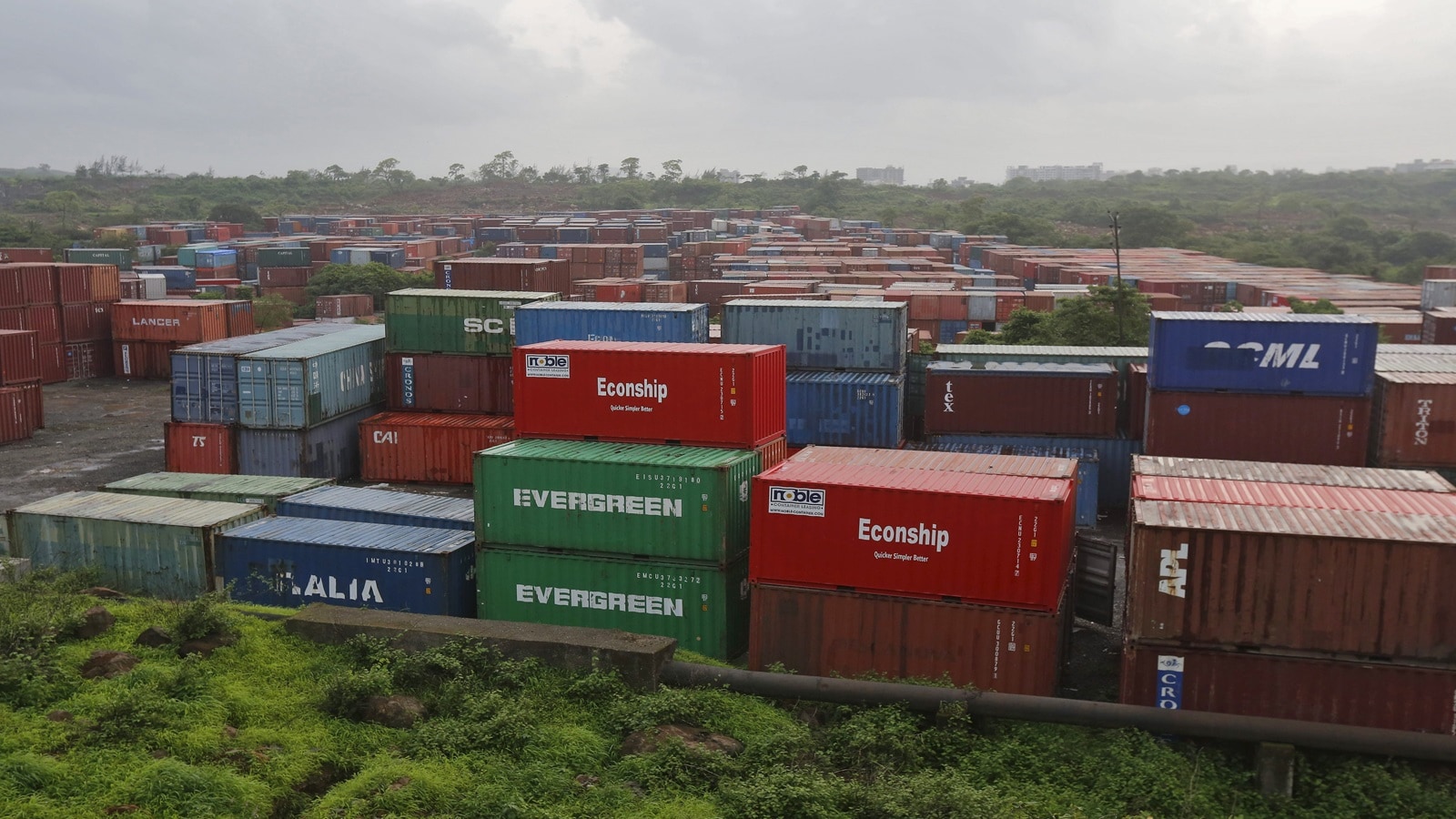
Look at the numbers. President Prabowo pointed out that Indonesia lost a staggering $908 billion over thirty-four years due to commodities being sold on the cheap or misreported at export terminals. When you own the world's largest thermal coal and palm oil reserves, letting outside markets set the pricing rules makes zero sense.
The strategy tackles a simple problem: under-invoicing. Exporters often report lower values to foreign buyers to squirrel away profits offshore or dodge local taxes. DSI aims to plug that drain permanently.
In its first couple of months operating across key ports, DSI monitored over 6,500 transactions worth roughly $14 billion. More importantly, the entity already flagged a potential $5 billion in discrepancies between reported and actual export prices. That is real money staying inside the country instead of evaporating into hidden accounts.
Expanding the State Grip
The policy started with three heavy hitters: thermal coal, palm oil, and ferroalloys. But the state is not stopping there. Prabowo made it clear that DSI will quickly expand its oversight across dozens of additional ports. Strategic mineral and commodity exchanges are slated to launch by early 2027 under the supervision of the Financial Services Authority.
The goal is an official "Indonesia Reference Price" for local goods. Instead of London or Rotterdam setting the baseline for Indonesian tin, nickel, and rubber, local producers, farmers, and international buyers will trade on a regulated domestic platform.
Skeptics have valid concerns. Analysts from Bank Danamon and various industry groups warn that if the regulations turn messy, transaction costs will spike. If compliance becomes an administrative nightmare, foreign investment might cool off just as the country needs it most.
What Comes Next for Exporters
Operating under this new framework requires absolute transparency. If you move commodities out of Indonesia, your days of loose paperwork are over. The government is scaling up digital monitoring to catch every single discrepancy in shipment weights and declared values.
Expect tougher audits, stricter licensing, and zero tolerance for price manipulation. Monitor your compliance pipelines closely, keep your documentation airtight, and prepare for a market where state oversight is the permanent new normal.