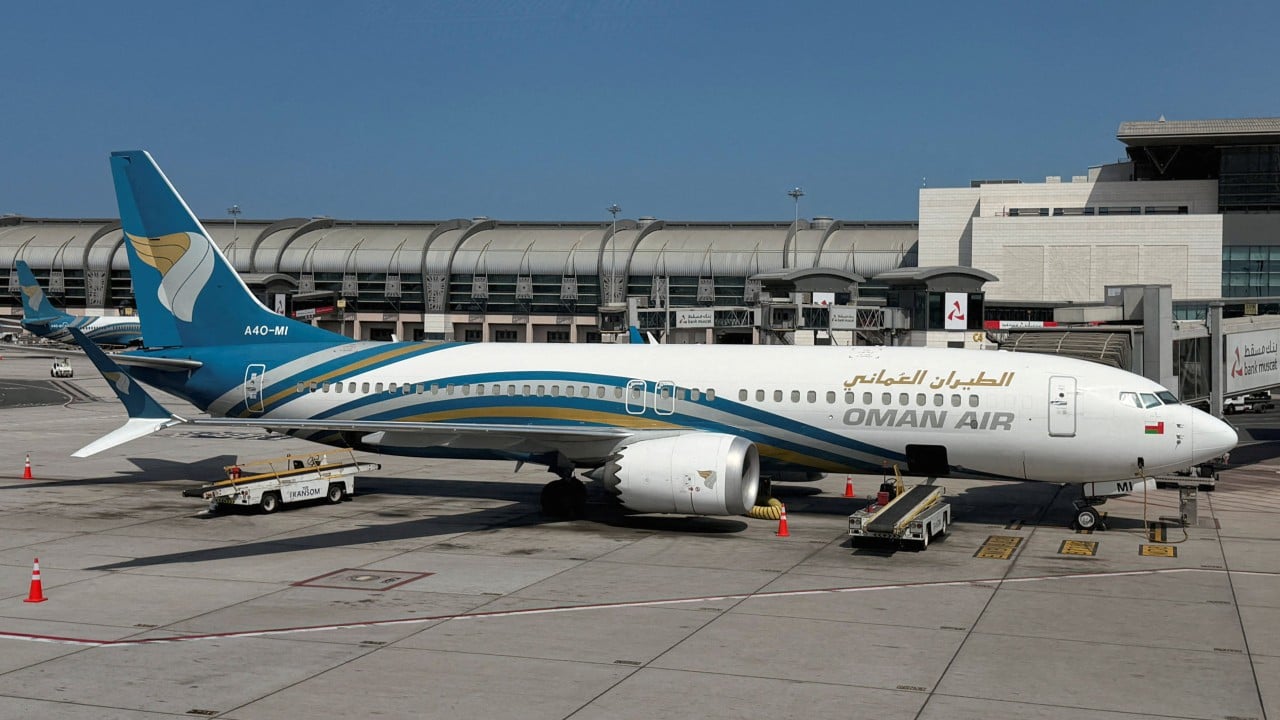
If you've tried booking a flight from India to Qatar recently, you know the headache. Seats were scarce. Prices were stupidly high. It felt like every flight was packed to the gills because, frankly, they were. But things change on May 1. Indian airlines are finally shifting back to their full flight schedules to Doha. This isn't just a minor update for the weekend traveler. It's a massive relief for the millions of Indian expats living in Qatar and the businesses that rely on steady movement between these two hubs.
The restricted flight regime that's been in place is finally hitting the scrap heap. This move means carriers like Air India, IndiGo, and Air India Express will stop operating under limited "bubbles" or restricted bilateral agreements and return to the pre-disruption frequency. You'll see more planes in the sky and, hopefully, more reasonable numbers on your screen when you hit "search" on a travel site. Learn more on a related issue: this related article.
Why the Doha Route Expansion Changes Everything
For months, travelers dealt with a bottled-up system. When supply is low and demand stays high, the passenger always loses. I've talked to people who paid double the usual fare just to get home for a family emergency. That’s the reality of restricted operations.
By returning to full capacity, the sheer volume of available seats will spike. We're talking about dozens of weekly flights returning to the roster from major gateways like Mumbai, Delhi, Kochi, and Hyderabad. More seats naturally mean better competition. When IndiGo and Air India compete for the same passenger on the same day, you win. More reporting by National Geographic Travel highlights comparable perspectives on the subject.
This isn't just about vacationers. Doha is a massive transit point. A huge chunk of people flying from India to the US or Europe stop in Qatar. When the India-Doha leg is congested, it breaks the whole chain. Expanding these operations fixes the bottleneck. It makes the entire journey smoother for everyone, not just those staying in the Gulf.
Breaking Down the New Flight Frequency
The numbers are actually quite impressive once you look at the scale. Indian carriers have been itching to get these planes back in the air.
- IndiGo is expected to lead the charge with the highest number of daily frequencies from Tier 1 cities.
- Air India is focusing on its premium and direct connections from the capital.
- Air India Express remains the backbone for the Kerala-Doha corridor, which is arguably the busiest sub-route in this entire network.
If you're flying out of Kerala, this is especially big news. Cities like Kozhikode and Kochi have a deep, historical connection with Doha. For many families there, these flights are essentially a bus service. Restoring the full schedule means people can travel on shorter notice without breaking the bank. It brings back a level of spontaneity that’s been missing for a long time.
Booking Strategies for the Post May 1 Rush
Don't expect prices to drop to rock-bottom levels the second the clock strikes midnight on May 1. Markets take a little time to breathe. However, you'll see a steady decline in average fares as the extra capacity absorbs the backlog of travelers.
My advice? Start looking now. Airlines are already loading these expanded schedules into their systems. If you've been holding off on booking your summer trip, now's the time to pull the trigger. Look for mid-week flights. Tuesday and Wednesday departures usually show the price drops first because business travel hasn't fully sucked up the new inventory yet.
Also, watch the baggage policies. With the return to full operations, some airlines might tweak their "promotional" fare buckets. Don't get caught out by a cheap ticket that doesn't let you bring a suitcase. For the India-Doha route, baggage is usually the deal-breaker since most people are carrying gifts or supplies for long stays.
The Economic Ripple Effect
The relationship between India and Qatar is worth billions. It’s built on energy, labor, and technology. When airlines can’t fly at full capacity, trade slows down. It’s harder to send specialists to sites. It’s harder to move time-sensitive cargo.
Restoring these flights sends a signal that the corridor is open for business. It’s a vote of confidence in the regional economy. Qatar is gearing up for several major events and infrastructure projects, and they need the Indian workforce to be mobile. On the flip side, India benefits from the steady flow of remittances that these workers send back. It's a two-way street that requires a lot of jet fuel to keep running.
What to Check Before You Head to the Airport
Even though the flights are back to normal, your paperwork might not be. Check your visa status and your passport validity immediately. I've seen too many people get turned away at the gate because their passport had less than six months left. It’s a rookie mistake, but it happens.
- Verify your terminal. With more flights, some airlines might shift between terminals in cities like Delhi or Mumbai to manage the load.
- Download the airline app. This is the fastest way to get notified about delays. Don't rely on the airport screens alone.
- Check the Qatar entry requirements. Rules can shift, and while they’ve been stable lately, a quick look at the official government portal saves a lot of stress.
The resumption of full operations is the final piece of the puzzle for Gulf travel. It’s been a long wait, but the convenience of multiple daily options is finally back. Grab your tickets before the summer peak hits and enjoy the fact that you no longer have to plan your life around a limited, restricted flight schedule.