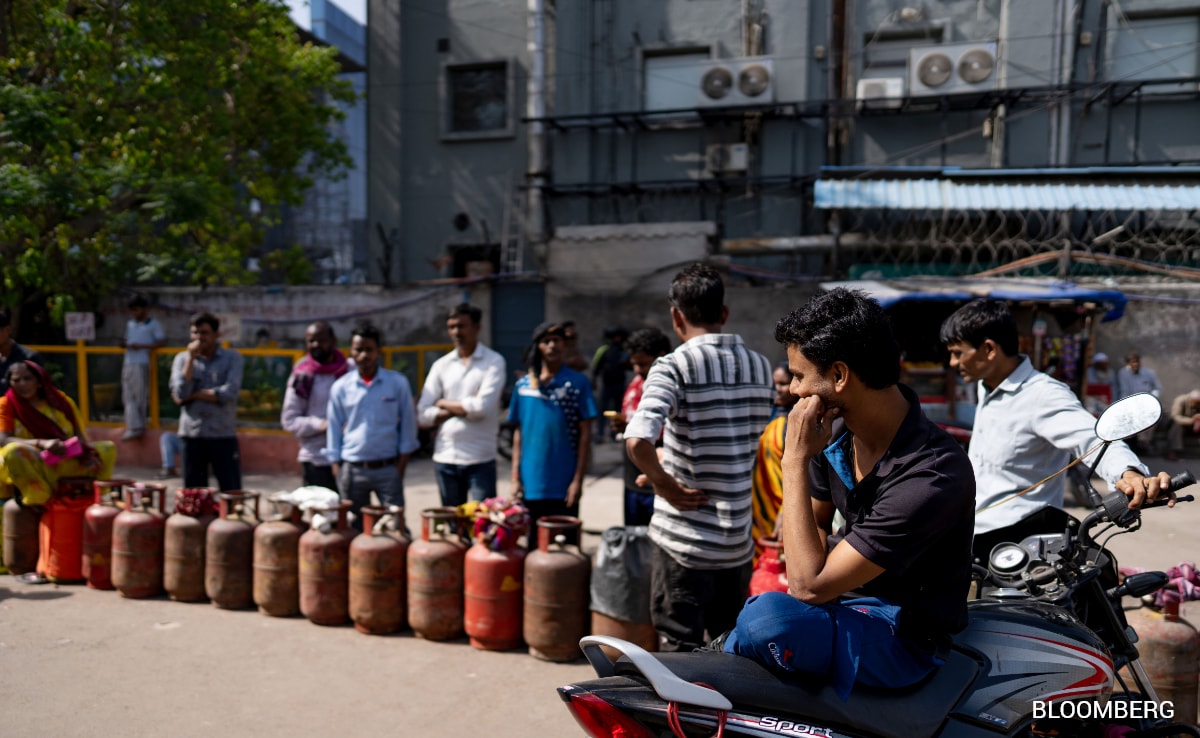
The Strait of Hormuz is currently the most expensive parking lot in the world. With military tensions effectively sealing off the Persian Gulf, India's energy security has hit a wall. It's not just a minor supply chain hiccup; it's a structural crisis for an economy that imports roughly 90% of its crude. If you're wondering why Washington is suddenly moving so fast to ship more oil and LNG to New Delhi, the answer is simple: India is desperate for an exit strategy from Middle Eastern volatility, and the US has plenty of surplus to sell.
I've watched these energy markets for years, and the current shift is unlike anything since the 1970s. For decades, India relied on the proximity of the Gulf. It was cheap, fast, and familiar. But as of May 2026, those traditional routes are basically ghost towns. The blockade has forced a massive pivot that isn't just about finding new suppliers—it's about survival.
The Hormuz bottleneck and India's 46 percent problem
Nearly half of India's crude imports typically flow through that tiny stretch of water between Oman and Iran. When the blockade tightened after the recent US-Israeli conflict with Iran, that lifeline snapped. You can't just "reroute" 20 million barrels a day through a different neighborhood.
The numbers are pretty grim. India's crude imports dropped by 13% this past March alone. Refineries are running at about 80% capacity because they simply can't get the specific grades they need. In the oil world, you can't just swap Saudi Light for Russian Heavy without spending millions on refinery adjustments. That's why the US offer of increased energy exports is so well-timed.
Why American energy is the new safety net
Washington isn't doing this out of the goodness of its heart. The Trump administration wants to cement the US as the world’s energy supermarket. By pushing more LNG and crude toward India, they're accomplishing two things: helping a strategic ally and making a massive sale.
US Ambassador Sergio Gor recently confirmed that India is "very receptive" to buying more. Why wouldn't they be? American oil doesn't have to pass through Hormuz. It comes from the Gulf of Mexico or the Atlantic coast. Sure, the shipping time is longer—roughly 40 days compared to 12 from the Persian Gulf—but a slow boat is better than no boat.
- Reliability: US shipments bypass the current war zones in the Middle East.
- Infrastructure: India has already invested heavily in LNG terminals that can handle American gas.
- Pricing: While global prices are spiking, the US is sitting on record production, keeping their export prices relatively competitive.
Russia vs the US for India's wallet
Don't think the US has a monopoly on this "rescue" mission. Russia has already swooped in, nearly doubling its exports to India to 2.25 million barrels per day. Basically, Moscow and Washington are in a bidding war to see who can be India's new best friend.
India is playing it smart. They're not picking sides; they're picking everyone. They're taking Russian oil at a discount while signing long-term deals for US LNG to keep the lights on in Delhi and Mumbai. It’s a messy, expensive balancing act, but it's the only way to keep their GDP from cratering.
The Strategic Petroleum Reserve gamble
India's backup plan—the Strategic Petroleum Reserve (SPR)—is tiny compared to China or the US. They only have about 21 million barrels in the bank. That's maybe a week of supply if the world truly goes dark.
I’ve seen reports that they’re now talking to the UAE and the US about "filling" these reserves more aggressively. There's even talk of India storing its own oil in UAE's Fujairah or using US storage facilities. It sounds like a logistical nightmare, but when your main supply route is a combat zone, you start looking at every available option.
Practical steps for energy-dependent businesses
If you're running a business in India or an industry tied to these costs, you can't just wait for the blockade to end. It won't anytime soon. Moody’s already warned that a return to pre-conflict shipping volumes by the end of 2026 is "highly unlikely."
- Hedge your energy costs now. If you’re waiting for "back to normal" prices, you’re going to get burned. The structural shift to longer, more expensive shipping routes is the new baseline.
- Audit your supply chain for Middle East exposure. It’s not just oil; it’s plastics, fertilizers, and chemicals that rely on Gulf feedstocks.
- Watch the US LNG export permits. The speed at which Washington approves new export terminals will directly dictate how much breathing room the Indian economy gets in 2027.
The era of cheap, easy energy from the Persian Gulf is over for now. India is rewriting its entire energy playbook in real-time. Whether they can do it fast enough to avoid a massive economic slowdown depends entirely on how quickly they can swap out Middle Eastern tankers for American ones.
Don't expect your fuel bills to drop next month. We're in for a long, expensive transition. Focus on efficiency and diversifying your own operations before the next supply shock hits. The map has changed, and it isn't changing back.