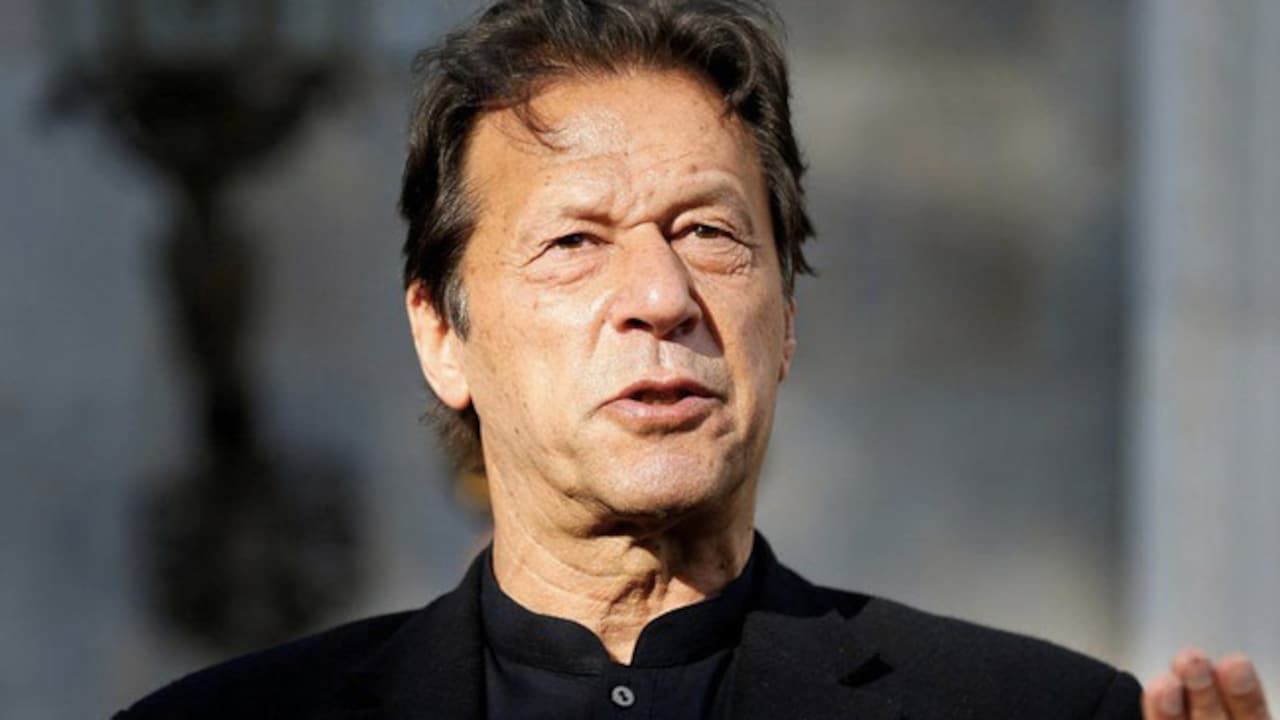
Political stand-offs in South Asia rarely end with quiet diplomacy. They usually drag on until economic pressure forces a change. Right now, a notable shift is happening behind the scenes in Islamabad. Zulfikar Bukhari, a key spokesperson and close aide to jailed former Prime Minister Imran Khan, recently signaled that the Pakistan Tehreek-e-Insaf (PTI) party is ready to change its tone toward the military establishment.
If you have watched Pakistani politics over the last few years, you know how toxic this relationship has become. PTI supporters have blamed army chief Field Marshal Asim Munir directly for Khan's imprisonment following his ouster in 2022. Khan himself has used harsh rhetoric against military leaders. Yet, Bukhari's recent statements suggest a pragmatic pivot. He stated that a freed Imran Khan would not seek direct confrontation with the military, choosing instead to swallow personal grievances for the broader health of the country.
What Triggered This Rhetorical Shift
The timing of this olive branch matters immensely. Pakistan's Supreme Court recently ordered authorities to transfer the 73-year-old former cricket star out of prison and into a private facility for medical treatment. Political analysts view this judicial directive as a vital face-saving mechanism. It gives both sides room to breathe.
Bukhari described the court ruling as a new ray of hope. More importantly, he argued that state survival outweighs individual vengeance. When a political faction that spent years organizing street protests against military high command starts talking about a healing hand, you know the gravity of the economic and political crisis has forced a reality check.
The Hurdles Standing in the Way of Real Peace
Skepticism remains justified. Observers quickly point out that statements made by aides in exile do not always reflect Khan's personal mindset in isolation. Khan has spent months facing a relentless wave of legal cases ranging from state gifts to incitement charges, keeping him cut off from daily political maneuvers.
Furthermore, party infrastructure continues to push forward with mobilization plans. The PTI has scheduled a nationwide demonstration demanding broader access for legal teams, medical staff, and family members, alongside total freedom for their leader. Senior figures operating underground are expected to coordinate these protests, meaning street pressure will not vanish overnight.
What Comes Next for the Political Crisis
Reconciliation talks in Pakistan rarely follow a straight line. Even if an aide extends an olive branch, mutual distrust runs deep within the rank and file of both the military and the PTI. The government maintains that all legal proceedings against Khan are independent judicial matters, while the military insists it stays out of partisan politics.
Watch the upcoming hospital transition closely. If the transfer happens smoothly without turning into a flashpoint for street clashes, it sets a precedent for how future detentions and legal battles might ease. Real political stability depends on whether both institutions can accept a compromise where neither side wins completely, but the country stops tearing itself apart.
Watch Pakistan Crisis: Imran Khan Camp Signals Major Shift Toward Military Reconciliation to see a comprehensive broadcast breakdown of the shifting political dynamics between Imran Khan's party and the military establishment.
http://googleusercontent.com/youtube_content/1