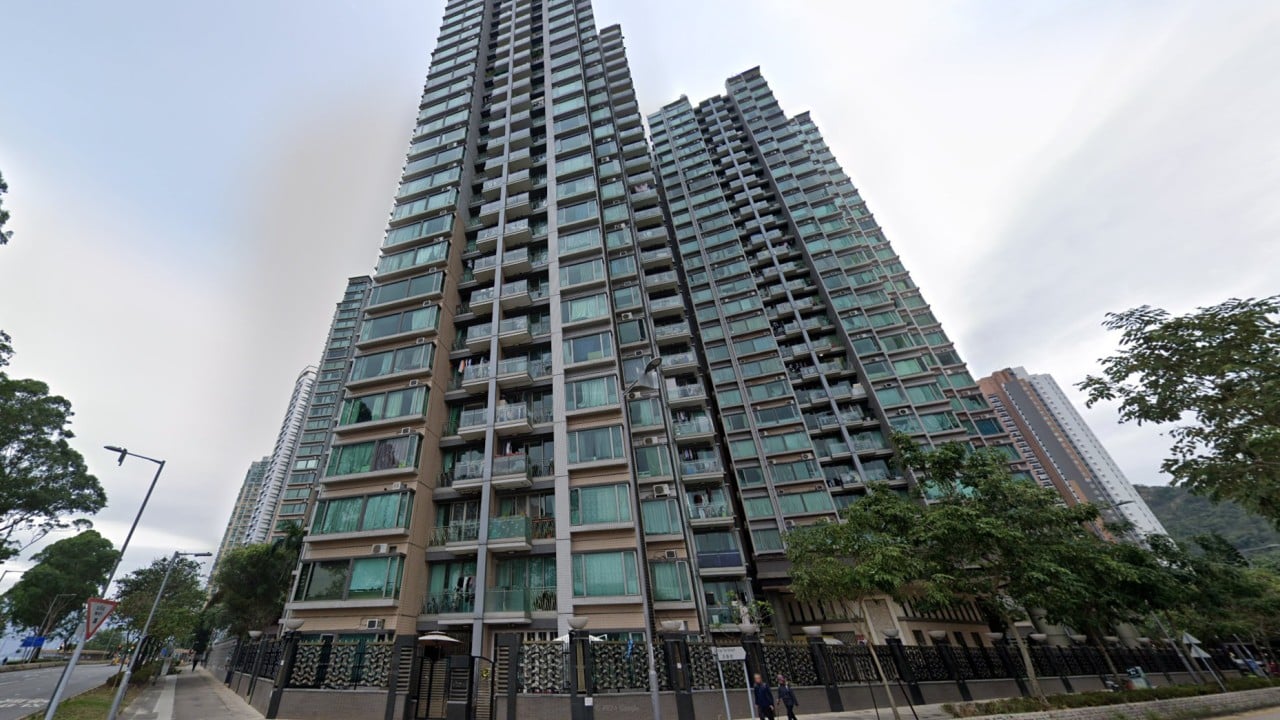
The standard police press release practically writes itself. A suspect linked to three high-profile residential burglaries in Hong Kong gets intercepted at the boarding gate of Hong Kong International Airport. The media treats it as a triumph of swift law enforcement. The public nods along, satisfied that the border controls worked exactly as advertised.
They are wrong.
Celebrating an airport arrest as a victory for urban security is like praising a leaky dam because you caught a few fish as the water rushed through. When a burglar is arrested at Chek Lap Kok with a bag full of stolen jewelry and cash, it does not mean the system is working. It means the system failed at every single layer that actually matters.
The media focuses on the theater of the capture. They completely miss the structural mechanics of international crime syndicates operating in modern transit hubs.
The Fallacy of the Border Catch
Chasing suspects at the border is reactive policing at its most expensive.
Consider the anatomy of these high-value break-ins. The typical narrative suggests a lone wolf actor pulling off a few opportunistic heists before making a desperate run for the border. Having consulted on asset protection and cross-border risk management for over a decade, I can tell you that this model is hopelessly outdated.
Modern high-value burglary in financial capitals like Hong Kong is a highly organized, fast-moving logistical operation. It relies on specific vulnerabilities in high-density, luxury residential sectors.
- The Inbound Phase: Syndicates exploit short-term visa entry frameworks, sending in specialized crews who are entirely distinct from the local fencing networks.
- The Execution Phase: Targets are selected based on predictable patterns of affluent residents, often during brief windows when properties are left unattended.
- The Exit Phase: The loop closes when the physical assets are moved out of the jurisdiction before the crime is even registered by the victim.
When an arrest happens at the airport, it is almost always due to a tactical error by the perpetrator—such as overstaying a window or failing to clear a digital footprint—rather than a triumph of predictive policing.
By the time a suspect reaches the boarding gate, the primary damage is done. The psychological safety of the community has been breached. The physical property has been violated. In a significant number of cases, the most valuable items have already been handed off to a localized courier network, meaning the arrest recovers nothing but a fraction of the stolen goods.
The Frictionless Border Myth
The public wants to believe that airports are impenetrable digital fortresses. The reality of commercial aviation makes this impossible.
Hong Kong International Airport handles tens of millions of passengers annually. The system is optimized for throughput, speed, and economic efficiency. Security infrastructure is balanced against the immense financial pressure to keep lines moving.
When a suspect is flagged at passport control, it triggers a manual intervention that halts the machinery of transit.
[Crime Committed] ➔ [Delayed Discovery] ➔ [Police Report Filed] ➔ [System Upload] ➔ [Airport Alert]
Look at the pipeline. The gap between the execution of a burglary and the upload of a suspect's identity into the immigration database is a massive window of opportunity. In a city where you can get from a luxury villa in Mid-Levels to an international departure gate in under forty-five minutes via the Airport Express, the criminal is often sitting in a premium lounge before the police have finished taking statements at the crime scene.
Deterrence happens at the perimeter of the property, not the perimeter of the territory.
Dismantling the Premium Security Promise
Property management companies in premium districts command exorbitant fees by promising absolute security. They point to smart access cards, 24-hour patrols, and extensive CCTV networks. Yet, serial burglars continue to slip through these defenses with astonishing regularity.
Why? Because property security is built on compliance, not active defense.
Most luxury residential complexes suffer from security fatigue. Guards become accustomed to the daily rhythm of couriers, domestic staff, and contractors. A professional crew does not scale walls in black balaclavas; they walk through the front gate wearing high-visibility vests or tailored suits, carrying clipboards. They leverage the social friction of gatekeepers who are trained to be polite rather than suspicious.
Relying on the police to catch these individuals at the airport is a massive transfer of responsibility. It excuses the systemic failure of private security firms who failed to detect the reconnaissance phase of the crime, failed to secure the physical entry points, and failed to integrate real-time anomaly detection into their monitoring systems.
The Cold Reality of Asset Recovery
Let us address the most flawed premise of the standard crime report: the idea that an arrest equals justice served.
For the victim of a high-value burglary, the arrest of a temporary visitor at an airport gate is a minor consolation prize. The mechanics of global asset distribution mean that high-value items—particularly luxury watches, unset diamonds, and untraceable cash—are liquidated within hours of the theft.
Once jewelry is broken down or moved into the underground market, the recovery rate drops to near zero. An arrest without recovery is simply a state-funded prosecution that leaves the victim financially and emotionally hollowed out.
The focus must shift from post-incident interception to aggressive, friction-heavy local deterrence.
- Mandate real-time, cross-platform data sharing between private estate security networks and localized police districts.
- Eliminate the predictability of patrol routes in luxury residential zones.
- Enforce strict biometric verification for all non-resident entrants to high-value properties, regardless of their apparent corporate or delivery affiliation.
Stop celebrating the theatrical arrest at the boarding gate. It is a symptom of a slow, reactive apparatus that is fundamentally unsuited to the speed of modern cross-border crime. True urban security is quiet, preventive, and completely invisible. If a criminal manages to pack their bags, buy a ticket, and walk up to an international departure gate, you haven't won. You have simply run out of room to fail.