The air in Westminster often smells of old paper and damp stone, a scent that masks the sharper, metallic tang of political survival. Sir Keir Starmer sits at the center of this world, a man defined by his meticulous nature, his forensic gaze, and now, a growing sense of isolation. To understand the current tremors shaking Number 10, one must look past the dry briefing notes and into the flickering shadows cast by the figures standing just outside the light.
Lord Mandelson is one such shadow.
The recent friction between the Prime Minister’s inner circle and the architect of New Labour isn't just a spat over policy or a disagreement on diplomatic appointments. It is a fundamental struggle for the soul of a government that promised change but feels increasingly haunted by the ghosts of its predecessors. There is a specific kind of gravity that surrounds Mandelson. He is the man who knows where the bodies are buried because, in many cases, he was the one who dug the holes. When he speaks, the walls of the Treasury seem to lean in to listen.
The Architect and the Apprentice
Consider a hypothetical young staffer in the Cabinet Office. Let’s call him David. David joined the civil service because he believed in the quiet power of administration. He believed that if you got the spreadsheets right, the country would follow. But as he walks the corridors of power today, he feels a shift. He sees the veteran advisors—men and women who lived through the Blair years—whispering in alcoves. They aren't talking about spreadsheets. They are talking about "the moment."
The moment is that terrifying point in a premiership where the leader stops being the master of events and starts being their victim.
For Boris Johnson, that moment was a slow-motion car crash involving a suitcase of wine and a series of increasingly desperate denials. For Starmer, the threat is different. It isn't hedonism; it’s a perceived vacuum of conviction. By sidelining Mandelson or engaging in public distancing, Starmer is attempting to prove he is his own man. Yet, the very act of pushing away such a titan only highlights the space that titan once filled.
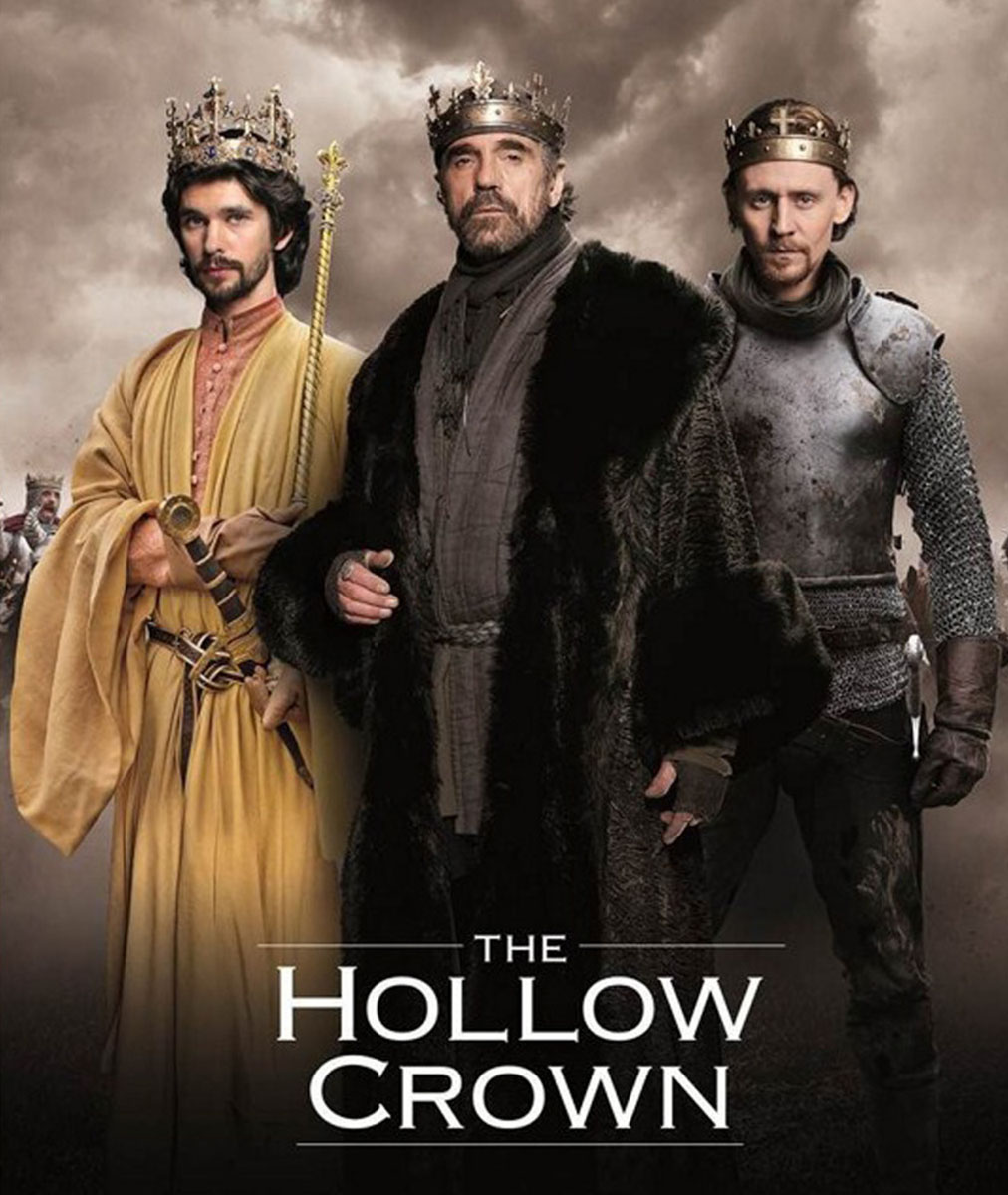
The stakes are invisible but absolute. If Starmer cannot define what his "Labour" actually means without referencing the past, he risks becoming a placeholder. A steward. A man holding a crown that feels increasingly hollow.
The Friction of the Old Guard
Politics is a game of ghosts. You can try to exorcise them, but they usually just move to a different room. The tension regarding Mandelson’s potential role as the UK Ambassador to Washington is the ultimate litmus test. On one hand, you have the pragmatic argument: Mandelson has the Rolodex. He has the gravitas. He can walk into a room in D.C. and be recognized as a heavyweight.
On the other hand, there is the internal rot of perception.
To appoint him is to admit that the "New Era" still needs the old machinery to function. It suggests that Starmer’s team lacks the seasoned steel required for the world stage. This is the "Boris moment" mentioned by critics—not a scandal of character, but a scandal of competence and control. Boris lost control because he couldn't stop the chaos; Starmer risks losing control because he cannot seem to start the engine.
The logic of the critics is cold. They see a Prime Minister who is "edging closer" to a breaking point where the public realizes the transition from campaigning to governing has stalled. It is the silence in the room after a joke falls flat. It is the hesitation before a difficult question.
The Weight of the Suit
Walking down Downing Street, the pavement feels harder than it did during the election. The cheering has stopped. Now, there is only the rhythmic ticking of the clock. Every Prime Minister eventually realizes that the office is a suit of armor that is slightly too heavy for any human to wear comfortably.
Starmer is a man of the law. He likes evidence. He likes a clear path from A to B. But the Mandelson row is messy. It’s emotional. It’s about ego, legacy, and the terrifying realization that the people who helped you get the job are often the ones who make it impossible to do.
The irony is thick. Mandelson was the one who taught Labour how to be "respectable" again. He was the one who understood that the British public doesn't want a revolution; they want a renovation. Now, the man who mastered the art of the image is becoming a smudge on Starmer’s carefully curated picture of a fresh start.
The Cost of Hesitation
There is a cost to every day spent managing internal feuds instead of national crises. While the headlines focus on who said what to whom in a private members' club, the actual fabric of the country continues to fray. The "human element" here isn't just the politicians; it’s the millions of people watching this play out, wondering when the "change" they voted for will actually arrive at their front door.
Imagine a nurse finishing a twelve-hour shift, sitting at her kitchen table, and seeing another headline about Lord Mandelson. She doesn't care about 1997. She doesn't care about the intricacies of diplomatic postings. She cares about why her rent is up and why the hospital parking is still a nightmare. To her, this row looks like a group of wealthy men arguing over who gets to sit in the front seat of a car that is currently stuck in traffic.
That is the true danger for Keir Starmer.
If he allows these internal power struggles to define his first year, he isn't just fighting Mandelson. He is fighting the growing suspicion that he is more interested in the mechanics of the party than the welfare of the people. It is a slippery slope. Once a leader is perceived as being "inward-looking," the public turns its back.
The Shadow Grows Longer
The sun sets over the Thames, casting long, distorted shadows across the terrace of the House of Commons. In the dim light, it’s hard to tell where one figure ends and another begins. This is the reality of the Starmer administration right now—a blurred line between the pragmatism of the past and the uncertainty of the future.
Peter Mandelson isn't going anywhere. You can’t simply "delete" thirty years of political infrastructure. The row will simmer, then boil, then perhaps settle into a cold resentment. But the damage is structural. By failing to integrate or decisively move past the Blairite legacy, Starmer has left a door ajar. And in politics, an open door is an invitation for the wind to come in and blow out the candles.
The Prime Minister stands at a window, looking out at a city that is waiting for a sign. He has the majority. He has the mandate. He has the title. But as he listens to the echoes of the "Dark Lord" in the press and the corridors, he must wonder if he will ever truly have the room to himself.
The crown is on his head. Now he just has to hope it doesn't slip.