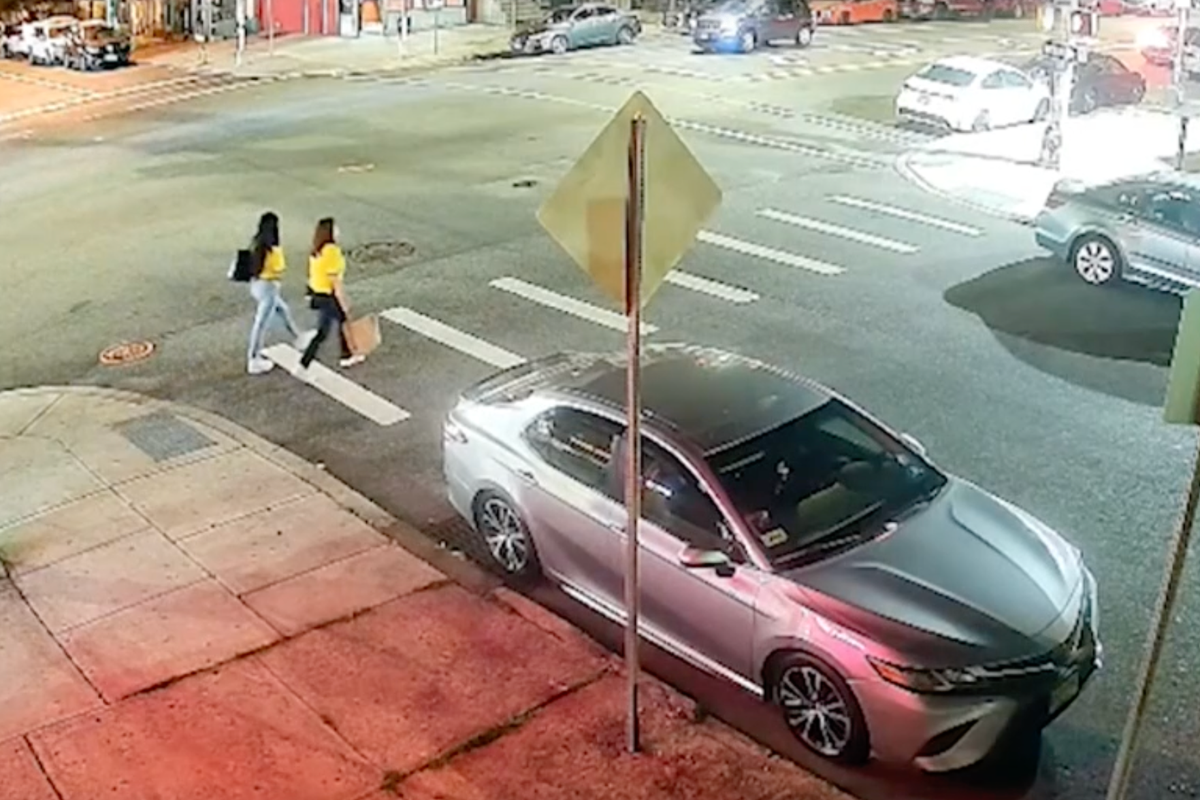
The headlines following a major sporting event follow a predictable, tragic script. Two women are dead after a vehicle struck them while they walked home from a World Cup watch party. The driver fled the scene. Initial reports focus heavily on the grief of the families, the time of night, and the immediate police hunt for the suspect vehicle. But this focus misses the systemic mechanics that make the hours following major athletic events the deadliest windows on American roads.
To understand why pedestrian fatalities spike during these specific cultural moments, we have to look past the individual negligence of a single driver. We must examine a lethal trifecta. Temporary infrastructure failures, predictable gaps in rideshare surge mechanics, and the specific physiological decompression that happens after hours of high-stakes sports viewing combine to create a perfect storm on our streets.
The Architecture of Aftermath
Major tournaments change how cities breathe. When tens of thousands of people gather in dense entertainment districts or neighborhood bars to watch a match, they create localized transit vacuums.
Municipal transit systems are built around predictable commuting hours. They rarely adapt in real time to the sudden, chaotic dispersal that happens when a referee blows the final whistle at midnight. Subways run less frequently. Buses switch to night schedules. This forces thousands of people onto the pavement simultaneously, transforming standard thoroughfares into high-risk pedestrian zones.
When a crowd pours onto the street, the immediate instinct for most is to pull out a smartphone. This is where the market fails.
The Surge Pricing Trap
Rideshare platforms utilize dynamic pricing algorithms designed to balance supply and demand. In theory, high prices attract more drivers to a crowded area. In reality, the immediate aftermath of a massive event creates a localized price shock.
- The Standoff: Faced with a $90 fare for a three-mile trip, a significant percentage of patrons choose to walk away from the central hub to find a cheaper pickup zone.
- The Spillover: Pedestrians deliberately navigate into unlit, industrial, or high-speed arterial roads where they believe surge pricing will drop.
- The Danger: Drivers rushing toward the high-value surge zone are frequently distracted by their own navigation screens, scanning sidewalks for fares rather than watching the asphalt directly ahead.
This economic standoff pushes vulnerable, often impaired pedestrians directly into the path of drivers who are driving aggressively to cash in on a temporary financial windfall. The data suggests that hit-and-run incidents are not evenly distributed across city grids. They cluster tightly along the margins of entertainment districts, right where the sidewalk infrastructure begins to degrade.
The Physiology of the Fan
Alcohol is the obvious variable, but it is not the only one. The psychological state of a crowd changes dramatically based on the outcome of a match.
Sports viewing triggers massive hormonal fluctuations. A high-stakes match spikes cortisol and adrenaline. When the game ends, the sudden drop in these hormones leaves individuals exhausted, slow to react, and poor at judging the speed of oncoming vehicles.
For a driver who has been drinking and watching a game, the cognitive decline is severe. When an impact occurs, the decision to flee is rarely a calculated move. It is a panic response driven by an amygdala hijack, exacerbated by chemical impairment. The driver does not see a human being; they see the immediate termination of their freedom, and they press the accelerator.
Why Current Deterrents Fail
The legal system relies heavily on the threat of severe punishment to deter hit-and-run drivers. In most jurisdictions, leaving the scene of a fatal accident carries penalties equivalent to vehicular manslaughter. Yet the numbers do not shift.
The threat of a twenty-year prison sentence only deters someone who is thinking rationally. At 1:00 AM, with a blood-alcohol level twice the legal limit and an adrenaline crash underway, rational calculus does not exist. The driver is operating entirely on an instinct to escape the immediate threat of detection.
Furthermore, our roads are designed for vehicle throughput, not pedestrian safety. Wide lanes and long sightlines signal to a driver that it is safe to travel at high speeds, even in dense urban environments. When a city combines high-speed road design with a sudden influx of late-night pedestrians, fatalities become a mathematical certainty.
Fixing the Dead Zone
Solving this crisis requires moving past the empty rhetoric of awareness campaigns. Cities must treat major sporting events with the same logistical seriousness as a natural weather event or a massive political rally.
Pop-up transit hubs must be established outside major concentrations of bars and venues. These hubs should offer subsidized, flat-rate public transportation or dedicated rideshare lanes that bypass surge pricing mechanics entirely. If you give people a safe, affordable, and immediate way to leave a venue, you keep them off the unlit arterial roads where they are most vulnerable.
Street design must change. Temporary traffic calming measures—such as plastic bollards to narrow lanes and temporary speed humps—should be deployed along known pedestrian dispersal routes during major tournaments. Speed kills, but speed variance kills more reliably. When a driver moving at fifty miles per hour encounters a pedestrian walking at three miles per hour in the dark, the margin for error disappears.
The deaths of pedestrians walking home from a celebration are not freak accidents. They are the predictable consequences of a transit environment that abandons people the moment they step outside the venue doors. Until cities take accountability for the midnight vacuum, the pattern will repeat.