Military aviation is never "routine," even when the Pentagon uses that word to describe a training mission or a transit flight. When a standard transport mission turns into a fatal crash, it reminds us that the danger doesn't always come from enemy fire. In the case of the MH-60 Pave Hawk crash in western Iraq, the loss of seven service members—six of whom were recently identified—cuts deep into the tight-knit community of Air Force Special Operations.
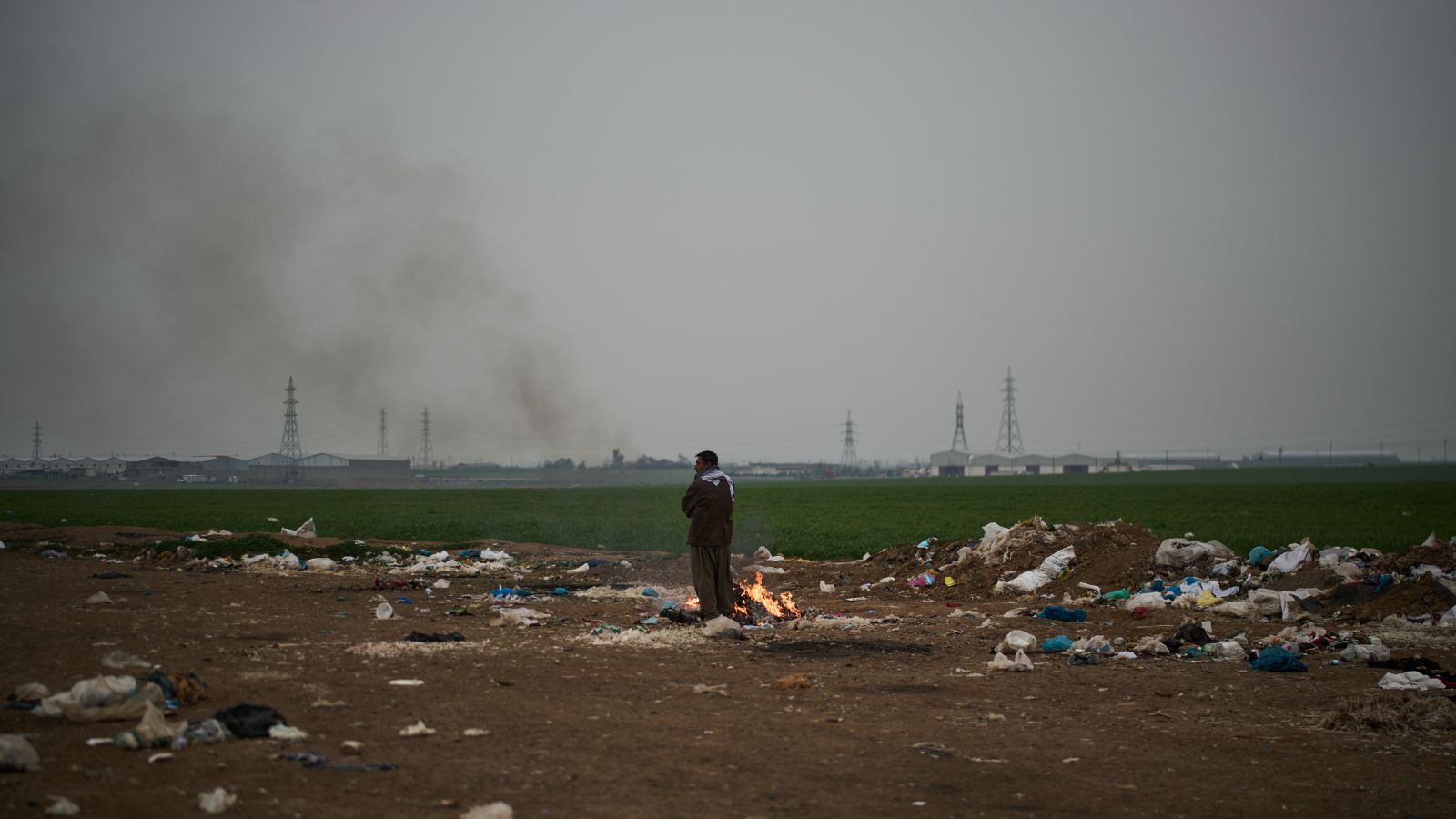
You have to understand the specific environment these airmen operate in. Western Iraq, particularly near the Syrian border, isn't just a desert. It's a complex landscape of shifting sands, unpredictable thermal currents, and infrastructure that hasn't seen proper maintenance in decades. When an engine fails or a pilot loses situational awareness in a "brownout," things go south in seconds. There's no room for error.
Who They Were and Why Their Roles Mattered
The Department of Defense identified the six airmen from the 48th Rescue Squadron and the 38th Rescue Squadron. These aren't just names on a manifest. These were Pararescuemen (PJs) and combat rescue officers—the elite of the elite whose entire job is to fly into the worst places on earth to save others.
The identified members include Master Sgt. Christopher J. Raguso, Capt. Andreas B. O’Keeffe, Capt. Mark K. Weber, Staff Sgt. Dashan J. Briggs, and Master Sgt. William R. Posch. A sixth member, Staff Sgt. Carl P. Enis, was also among those who didn't make it home. These men represented the backbone of the New York Air National Guard’s 106th Rescue Wing and active-duty units.
If you've never met a PJ, it's hard to describe the intensity. They're part paramedic, part Olympic athlete, and part specialized commando. To lose an entire crew in a single incident is a massive blow to the Air Force's rescue capability. It takes years—sometimes a decade—to train a single person to the level these men reached.
The Reality of Flying the MH-60 Pave Hawk
The MH-60 Pave Hawk is a workhorse, but it's an aging one. Based on the Army's Black Hawk, the "Mike" model used by the Air Force is packed with specialized electronics, weather-mapping radar, and extra fuel tanks. It's heavy. It’s also built to be pushed to the absolute limit.
Most of these crashes aren't caused by a single catastrophic "oops" moment. It’s usually a "chain of error." Maybe the maintenance crew was exhausted. Perhaps the pilot was using night-vision goggles (NVGs) in an area with zero ambient light, making depth perception almost impossible. In the Al-Anbar province, where this crash occurred, the dust is so fine it hangs in the air like a fog.
Early reports from the Pentagon indicate the crash wasn't the result of enemy activity. That’s a small mercy for the families, I guess, but it doesn't make the loss any lighter. It actually highlights a frustrating truth: the "permissive" environments we operate in can be just as deadly as a combat zone. We're asking these machines and these crews to perform at 100% capacity for years on end, often with limited downtime between deployments.
The Ripple Effect on the 106th Rescue Wing
The New York Air National Guard, specifically the 106th based out of Westhampton Beach, is a small community. Everyone knows everyone. When four of the fallen come from the same Guard unit, the entire town feels it. These are guys who were firefighters and police officers in their civilian lives. They were neighbors.
Master Sgt. Christopher Raguso, for example, was a lieutenant in the FDNY. Think about that for a second. His "day job" was running into burning buildings in New York, and his "side job" was flying rescue missions in Iraq. That's the caliber of person we're talking about. These aren't just soldiers; they're the ultimate public servants.
Why We Still Have Boots on the Ground in Iraq
People often ask why we're still flying helicopters over the Iraqi desert years after the "major" conflict ended. The reality is that the mission against ISIS remnants and the need for regional stability keeps these units in play. The 48th Rescue Squadron provides the "safety net" for every other service member in the region. If a jet goes down or a convoy gets hit, these are the guys who get the call.
Without these rescue assets, the risk profile for every other mission in Iraq becomes unacceptable. You can't have troops on the ground if you don't have a way to get them out when the worst happens.
Investigation and Accountability
The Air Force will conduct a Safety Investigation Board (SIB) followed by an Accident Investigation Board (AIB). This isn't just paperwork. They’ll strip the wreckage to find every failed bolt or frayed wire. They'll look at the pilot’s sleep logs from the week before. They’ll analyze the weather data down to the minute.
They do this because the fleet is tired. We need to know if this was a freak accident or a symptom of a larger systemic issue with the MH-60 airframe. If it’s the latter, we have hundreds of other crews at risk every single day.
Honoring the Sacrifice
The best way to respect the memory of these six men isn't just through a moment of silence. It’s through ensuring the ones still flying have the best equipment and the best training possible. We tend to forget about the "small" missions until a headline like this pops up.
If you want to support the families, look toward organizations like the That Others May Live Foundation. They focus specifically on the families of fallen Air Force Rescue personnel. They provide the long-term support—scholarships and counseling—that a standard military pension doesn't always cover.
Don't let these names become just another statistic in a long-running conflict. They were elite specialists who died doing a job most people aren't brave enough to even dream about. They were doing the work so others wouldn't have to.
The investigation will continue for months, but the impact on the Special Operations community is permanent. We've lost decades of experience and six irreplaceable human beings. Hold your local veterans a little closer today. They know better than anyone that the "routine" is anything but.