You buy them because they're a superfood. You throw them into smoothies, stack them on avocado toast, or scatter them over dinner to feel like a culinary genius. Microgreens represent the peak of clean, health-conscious eating. But right now, a major recall out of Montreal is exposing a dark truth about these tiny plants. They are incredibly vulnerable to dangerous bacteria.
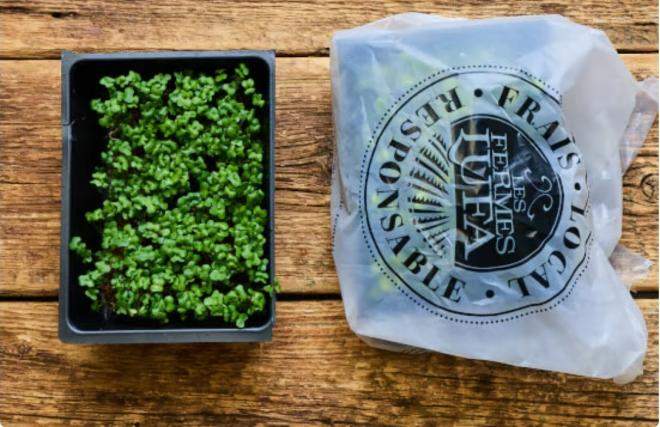
The Canadian Food Inspection Agency issued a stark warning about Montreal farm recalled broccoli microgreens due to possible E. coli contamination. The affected products, distributed by a local urban agriculture initiative, were pulled from store shelves after routine testing flagged the presence of Shiga toxin-producing Escherichia coli. It's a reminder that "local" and "organic" don't mean bulletproof.
If you have these greens in your fridge, dump them out immediately. Don't taste them to check. Contaminated greens smell, look, and taste completely normal.
The Anatomy of a Microgreen Contamination
Why are microgreens so prone to bacterial outbreaks? It comes down to how they grow.
To sprout seeds rapidly, commercial growers create a paradise for bacteria. They need high humidity, warm temperatures, and constant moisture. If a single batch of seeds carries a trace of E. coli, the indoor farming environment acts as an incubator. The bacteria multiply exponentially right alongside the stems.
Unlike mature head lettuce or cabbage, you eat the entire microgreen, stem and seed casing included. There's no outer layer to peel away. Worse, almost nobody cooks microgreens. Heat kills E. coli. Raw greens offer the bacteria a direct, unhindered pathway straight to your gut.
Public health investigators track these issues back to a few specific vulnerabilities in urban farms.
- Contaminated Seed Stock: Bacteria can hide inside the cracks of the seeds themselves before planting.
- Irrigation Water: If the water source isn't strictly filtered and tested, it spreads pathogens instantly.
- Harvesting Tools: Knife blades and automated shears can transfer bacteria from one contaminated tray to an entire day's production.
What Shiga Toxin E Coli Actually Does to Your Body
Don't confuse this with a mild case of stomach flu. Shiga toxin-producing E. coli is nasty.
Symptoms usually hit anywhere from one to ten days after eating the contaminated food. It starts with severe stomach cramps and watery diarrhea that often turns bloody within 24 hours. You might experience vomiting and a mild fever, though some people stay afebrile.
For most healthy adults, the nightmare ends in about a week. But for kids, the elderly, and anyone with a compromised immune system, it can spiral into hemolytic uremic syndrome. This condition causes your red blood cells to break down, clogging your kidneys' filtering system. It leads to acute kidney failure, requires dialysis, and can be fatal.
If you've eaten raw sprouts or microgreens recently and notice bloody stools, skip the walk-in clinic. Go straight to the emergency room. Do not take antidiarrheal medications like Imodium. Those drugs slow your digestive tract down, trapping the Shiga toxins inside your intestines longer and increasing your risk of severe organ damage.
How to Protect Yourself Without Giving Up Greens
You don't need to banish greens from your diet, but you do need to change how you handle them.
First, stop relying on a quick rinse under the tap. Washing microgreens removes loose dirt, but it won't budge bacteria that have bonded to the plant tissues or embedded in the microscopic folds of the leaves. Food safety experts at institutions like the University of Guelph emphasize that sanitizing raw sprouts completely at home is practically impossible.
If you are pregnant, elderly, or feeding young children, buy mature vegetables you can cook. The nutritional payoff of raw microgreens isn't worth the risk of a severe infection for vulnerable groups.
For everyone else, follow a strict inspection routine. Check the Canadian Food Inspection Agency or FDA recall registries weekly. Buy exclusively from transparent producers who openly discuss their seed-testing protocols. Keep your fridge at or below 4 degrees Celsius to prevent any minor bacterial presence from multiplying during storage. Eat them fast. The longer those tiny plastic clamshells sit sweating in your crisper drawer, the higher the risk.