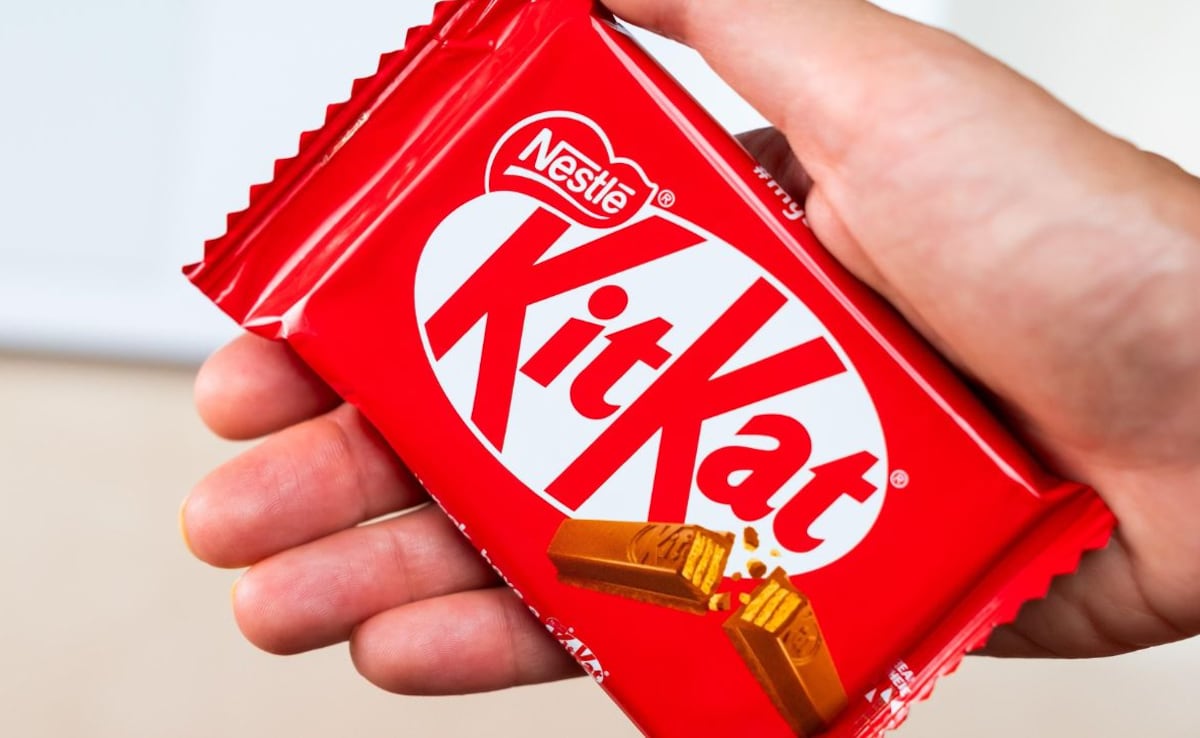
Imagine a truck filled with over 400,000 KitKat bars vanishing into thin air between Italy and Poland. It sounds like a scene from a low-budget heist movie, but it's a real-life logistics nightmare that recently cost Nestlé a fortune. Thieves managed to intercept a massive shipment of the iconic chocolate bars, proving once again that high-value cargo isn't just about electronics or designer handbags anymore. Sugar is the new gold for organized crime rings across Europe.
This wasn't some random opportunistic grab by a couple of hungry locals. We're talking about a coordinated operation involving professional drivers, forged documents, and a deep understanding of how international supply chains function. When 400,000 units of a globally recognized brand go missing, they don't just sit in a basement. They're usually flipped on the black market within forty-eight hours, often ending up on the shelves of small independent grocers who don't ask too many questions about why the wholesale price is so low.
How 400000 KitKat Bars Disappear Without a Trace
The shipment left the factory in Italy with all the proper paperwork. It was headed for Poland, a standard route for European distribution. Somewhere along that transit corridor, the "phantom truck" phenomenon took over. This is a tactic where criminals use stolen identities or fake transport companies to bid on shipping contracts through online freight exchanges. They show up at the loading dock, look perfectly official, take the pallets, and simply drive in the opposite direction of the destination.
By the time the receiving warehouse in Poland realized the truck was late, the chocolate was already being offloaded into a different "clean" vehicle. This isn't just about a lack of GPS trackers. It's about the vulnerability of the subcontracting system in European trucking. Big companies often hire smaller firms, who then hire even smaller owner-operators. Somewhere in that chain, a criminal element slips in, and suddenly, you've lost 25 tons of confectionery.
The Secret Economy of Stolen Snacks
You might wonder why anyone would risk jail time for chocolate. The answer is simple. It's easy to sell. If you steal a truckload of iPhones, Apple can brick them remotely. If you steal luxury cars, they have VIN numbers and specialized parts that are hard to move. But a KitKat? It has no serial number. It’s a fast-moving consumer good. Everyone knows the brand, everyone wants the product, and it has a long shelf life.
Logistics experts call this "craveable cargo." The resale value on the black market for stolen food and beverage items is incredibly high—often 70% or more of the retail price. Since these items are consumed, the evidence literally disappears. Once someone eats that stolen KitKat, the trail goes cold. It’s the perfect crime for a syndicate looking for high volume and low risk.
Why Poland and Italy are Hotspots for Cargo Theft
The route between Italy and Poland is a major artery for European trade. Italy is a massive producer of food products, and Poland serves as a primary gateway to Eastern Europe and the Baltic states. This high traffic volume makes it easier for "ghost" trucks to blend in. Authorities have seen a sharp rise in these incidents because the borders within the Schengen Area are open. Once a truck is on the highway, it can cross three countries before a dispatcher even notices a ping is missing from their dashboard.
Security Failures in the Supply Chain
Most people think security means guards with dogs. In the world of modern logistics, security is actually about data. The KitKat heist happened because someone, somewhere, didn't verify a digital ID. We see this all the time. A transport manager is under pressure to move a load. They pick the cheapest bidder on a freight board. They don't call the "company" to verify the driver's name. They don't check if the license plate matches the registered vehicle in the national database.
It’s a systemic laziness that costs millions. If you're running a business that ships physical goods, you have to treat your shipping dock like a bank vault. That means implementing a strict "no-verification, no-load" policy.
- Always call the head office of the transport company using a publicly listed number.
- Take high-resolution photos of the driver and their ID.
- Verify the trailer and tractor license plates against the dispatch order.
- Use secondary GPS trackers hidden inside the pallets, not just the truck.
Tracking the Untraceable
The investigation into the missing 400,000 KitKats is ongoing, but the odds of recovery are slim. Usually, in these cases, the police find the empty trailer abandoned in a warehouse district or at a highway rest stop a week later. The chocolate is gone. It’s likely been distributed across multiple smaller vans and sold to "jobbers" who specialize in clearing out-of-the-way inventory.
This heist serves as a brutal reminder for manufacturers. Your product is a target from the second it hits the pallet. It doesn't matter if it's high-end tech or a simple chocolate bar. If it has a brand name and people like to buy it, someone is planning to steal it.
If you are a retailer or a small business owner, be wary of deals that seem too good to be true. If a new "wholesaler" shows up offering name-brand candy at 40% below the standard market rate, you're likely looking at the proceeds of a cargo heist. Buying those goods doesn't just make you a part of the problem; it puts your business at risk of legal action if the authorities trace the lot numbers back to your shelves. Stay sharp. Verify your sources. And remember that in the world of logistics, a cheap shipping quote is often the most expensive mistake you'll ever make.