In November 2026, the eyes of the world will turn to Antalya, Turkey, for the 31st United Nations Climate Change Conference. The Turkish government has promised a summit defined by action, not words, with a primary objective of securing the trillion-dollar funding necessary for developing nations to meet their targets. Environment Minister Murat Kurum has been vocal about shifting the focus from pledges to implementation. Yet, the host nation faces an uncomfortable reality: its own domestic climate policies are widely classified as insufficient, with a projected emissions peak not arriving until 2038. This tension between global rhetoric and national trajectory is the defining feature of COP31.
The official narrative coming out of Ankara is one of pragmatism. The Turkish presidency intends to push for concrete finance mechanisms, arguing that the era of vague promises is over. This sounds good in a press release. It is far harder to execute in practice when the host country is simultaneously positioning itself as an energy hub for fossil fuels and relying on a long-term emissions trajectory that contradicts the urgent timeline of the Paris Agreement. Meanwhile, you can find related developments here: Japan Megaquake Contingency and the Nankai Trough Risk Profile.
The Odd Geometry of a Co Presidency
The structure of this summit is an admission of diplomatic failure as much as it is a framework for cooperation. When it became clear that Turkey and Australia were deadlocked over the right to host, a compromise was struck. Turkey would provide the venue and the Presidency, while Australia would manage the actual climate negotiations.
This arrangement effectively splits the summit into two distinct spheres. Turkey owns the political stage, the World Leaders Summit, and the high-level signaling. Australia owns the technical machinery of the talks. It is a strategic hedge for the international community. It allows for a host with significant geopolitical weight to anchor the event, while ensuring that the granular, difficult work of negotiations is guided by a nation currently under intense domestic pressure to reconcile its vast fossil fuel exports with its climate commitments. To understand the complete picture, we recommend the excellent report by The Guardian.
This split creates a bizarre dynamic. Negotiators will be operating under the banner of a Turkish presidency that has historically prioritized industrial growth over rapid decarbonization, while being guided by an Australian team that knows the only path to a successful summit is delivering a result that survives the scrutiny of NGOs and climate-vulnerable states. It is a fragile balance. If the two parties diverge on key issues, the summit risks fracturing into competing power centers.
The Finance Trap and the Credibility Gap
The central pillar of Turkey’s agenda is the mobilization of climate finance. The government estimates that developing nations need nearly one trillion dollars to achieve their climate targets. It is a massive, daunting figure. It is also a convenient distraction.
By focusing on the colossal need for external funding, the host nation shifts the conversation away from its own internal performance. Turkey has committed to a 41 percent reduction in greenhouse gas emissions by 2030 relative to a business-as-usual scenario, but this target is built on the assumption that emissions will continue to climb for another decade. The Climate Action Tracker, an independent scientific analysis, rates Turkey’s policies as highly insufficient. The math is stubborn. If every nation followed the Turkish model, global temperatures would likely rise by 3 to 4 degrees Celsius.
This does not mean the demand for finance is illegitimate. It is accurate that the global financial system is currently failing to move capital to the regions that need it most. However, there is a fundamental question of credibility. Can a presidency effectively lead a global consensus on urgent decarbonization when its own mid-term strategy effectively institutionalizes rising emissions?
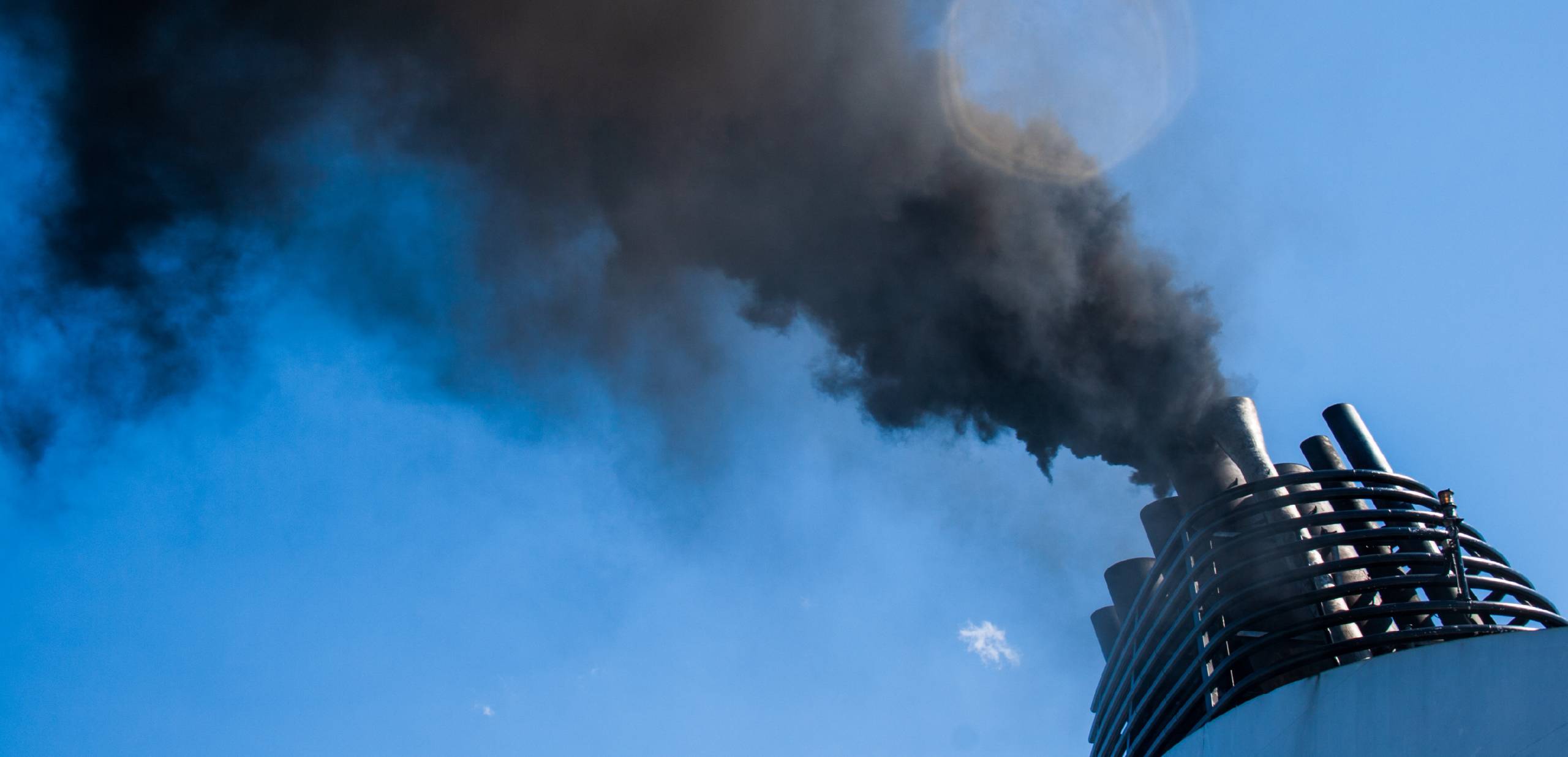
The Turkish government has announced a Roadmap for Renewable Energy to 2035, aiming for significant wind and solar expansion. This is a positive development. Yet, it sits alongside continued investment in domestic coal and fossil gas. The government views these investments as essential for energy security and economic stability. Global climate experts view them as stranded assets waiting to happen. At COP31, this dichotomy will be tested. Proponents of the Turkish strategy will argue that developing nations need transition periods. Critics will point out that the planet’s atmosphere has no concept of a transition period for fossil fuel use.
The Illusion of Implementation
The rhetoric of implementation is intended to be the legacy of the 2026 summit. After years of negotiation cycles that critics argue have been long on declarations and short on accountability, the call for practical results is popular. It resonates with delegates, civil society, and investors who are tired of circular discussions.
However, implementation requires transparency, and transparency requires honest accounting. If the COP31 presidency wants to be taken seriously, it must reconcile the gap between its international face and its internal policy. This means clarifying how the nation intends to pivot from its 2038 peak target toward the 2053 net-zero goal. It means explaining how fossil fuel infrastructure projects currently in the pipeline align with the global consensus to phase out coal and gas.
The risk for this summit is that it becomes a venue for performative politics. If the Turkish presidency succeeds in extracting new financial commitments from wealthy nations but fails to demonstrate a coherent internal path to decarbonization, the summit will be viewed as a hollow victory. Money will be moved, but the structural changes required to stop the warming trend will remain elusive.
The Test of Political Will
Ultimately, COP31 will be judged by whether it can bridge the divide between economic reality and climate necessity. The Australian negotiators will push for outcomes that satisfy the scientific community. The Turkish hosts will push for outcomes that satisfy the geopolitical need for development and energy security.
These two mandates are not inherently incompatible, but they are currently on a collision course. The world is watching to see if Ankara can move beyond the language of development and embrace the necessity of immediate, absolute emissions reductions. If it cannot, the focus on finance will be seen not as a solution, but as a smoke screen.
Success in Antalya will not be measured by the size of the finance deals announced, or by the grandeur of the summit itself. It will be measured by whether the final documents require countries to confront the speed of their own transitions. The world has enough plans. It has enough roadmaps. It does not have enough time. The burden is now on the presidency to show that it understands the difference between the politics of negotiation and the reality of a planet in crisis. The true test of COP31 starts before the first plenary session is even called to order. It begins with the credibility of the host.