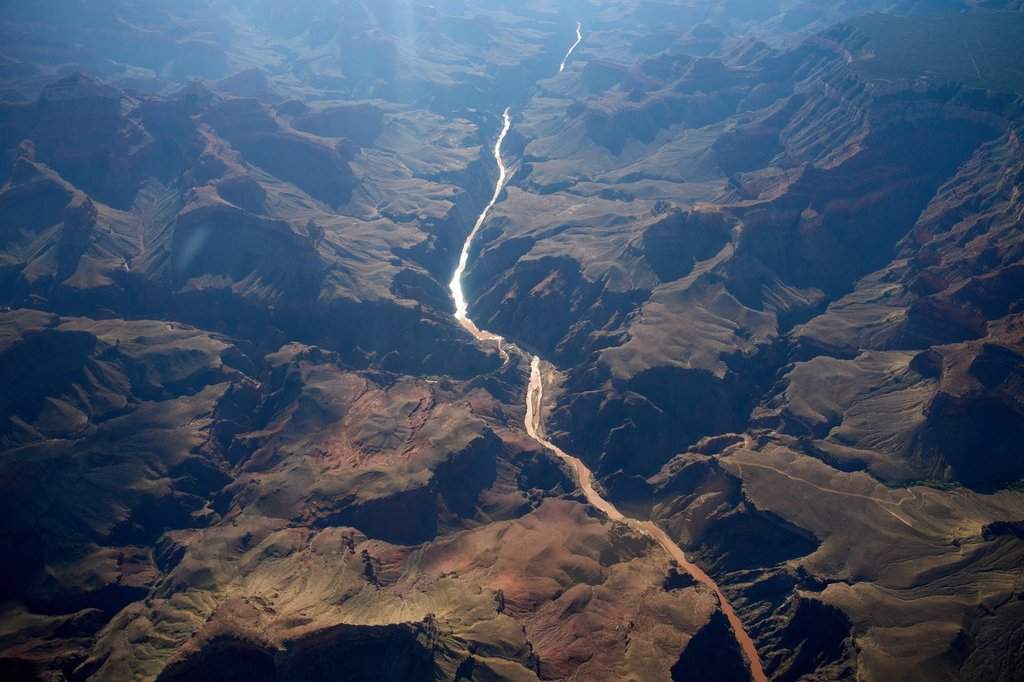
You are standing in a dry desert wash. The sky above is entirely blue. Ten miles away, dark clouds are dropping heavy rain on a plateau. Within minutes, a wall of water and debris can tear down that exact wash at highway speeds.
Grand Canyon flash floods do not care about your weekend itinerary. They do not care about your fitness level. When an emergency rescue operation pulls more than 80 people to safety after sudden torrents swamp the canyon, leaving two dead and one missing, the headlines focus on the numbers. But the real story is how quickly the landscape turns lethal.
Nature moves fast here. You need to know how to spot the danger before the roar of the water drowns out your chance to escape.
The Reality of Canyon Weather
Water travels fast over slick rock. When severe thunderstorms hit the high rims of the Grand Canyon, rainfall has nowhere to soak into the baked earth. Instead, it funnels straight into narrow tributaries and side canyons.
This creates a dangerous hydraulic conveyor belt. You can experience perfect, sunny weather at the bottom of the canyon while a catastrophic storm rages thousands of feet above you. By the time you hear the approaching wall of water, you might only have seconds to react.
Rescuers dealing with mass evacuations face extreme challenges. Helicopters struggle against high winds in tight corridors. Ground teams cannot cross swollen creeks. When dozens of tourists and backpackers get stranded on elevated boulders or clinging to canyon walls, survival comes down to high-risk air lifts and sheer luck.
Why Flash Floods Happen So Fast
Most people misunderstand how flash floods form in arid environments. They picture a slow rise in water levels, like a river swelling after days of steady rain.
That is not how it works.
Flash floods arrive as a sudden surge. This wall of water is often packed with mud, boulders, and uprooted trees. It acts like a battering ram.
- Dry Soil: Parched earth repels water instantly, forcing all precipitation into runoff channels.
- Topography: Steep canyon walls act as giant funnels, channeling scattered rainfall into narrow bottlenecks.
- Distance: The storm can be completely invisible to you, hidden miles away over a distant rim.
Park rangers and search-and-rescue personnel deal with these scenarios year after year. The warning signs are subtle. If the water in a clear stream suddenly turns muddy, or if you notice a low-frequency rumble that sounds like a freight train, move uphill immediately. Do not pack your gear. Do not hesitate.
Staying Safe in Flash Flood Country
Visiting the canyon requires a healthy dose of paranoia about the weather. Check the forecast for the entire drainage basin, not just the specific spot where you plan to pitch your tent.
Never camp in the bottom of a narrow slot canyon or directly in a dry wash, no matter how calm the weather looks at dusk. A clear night overhead means nothing if a midnight storm develops miles upstream.
Know your escape routes before you step foot on a trail. Look for high ground that you can reach within thirty seconds of hearing unusual noise. If you get caught by rising water, climb up. Do not try to cross a moving current. Just six inches of fast-moving water can knock an adult off their feet, and two feet of water can carry away a vehicle.
Pay attention to ranger warnings. When the National Weather Service issues flash flood watches for the canyon, take them seriously. Cancel your hike. Wait it out. The canyon will still be there tomorrow, but you might not be if you gamble with a dry wash.