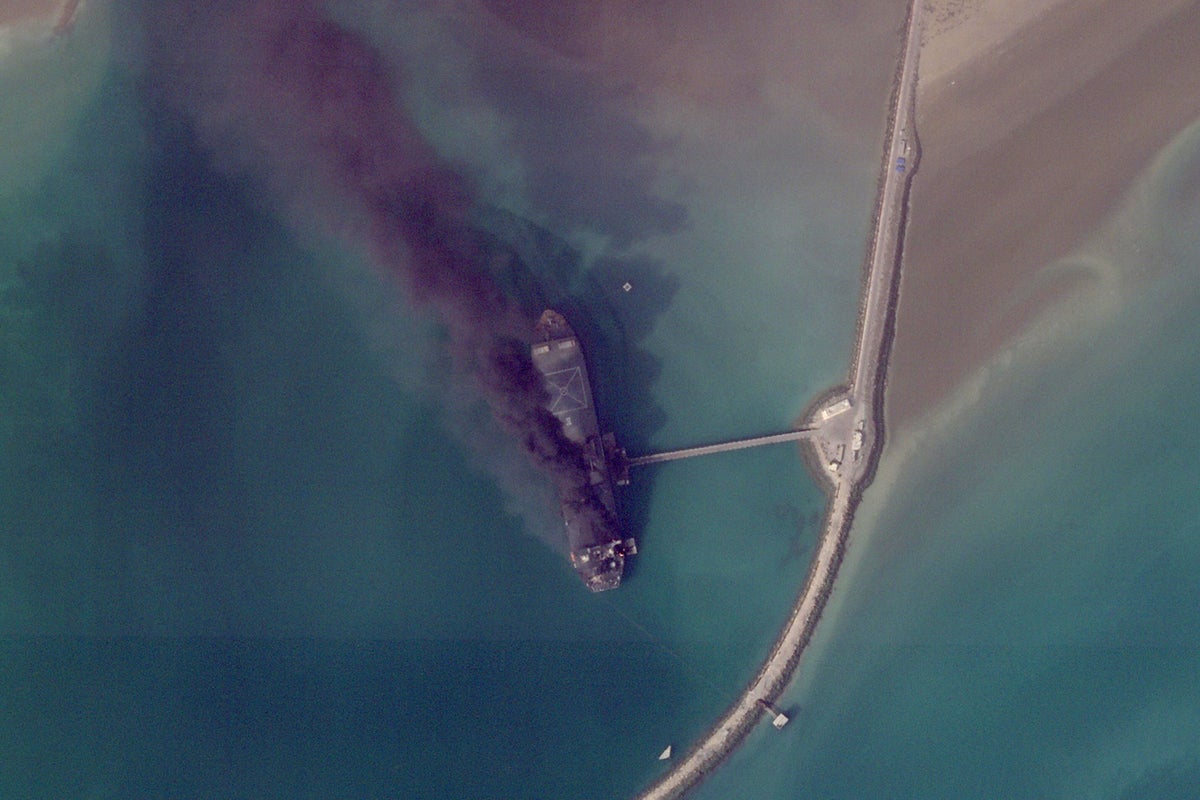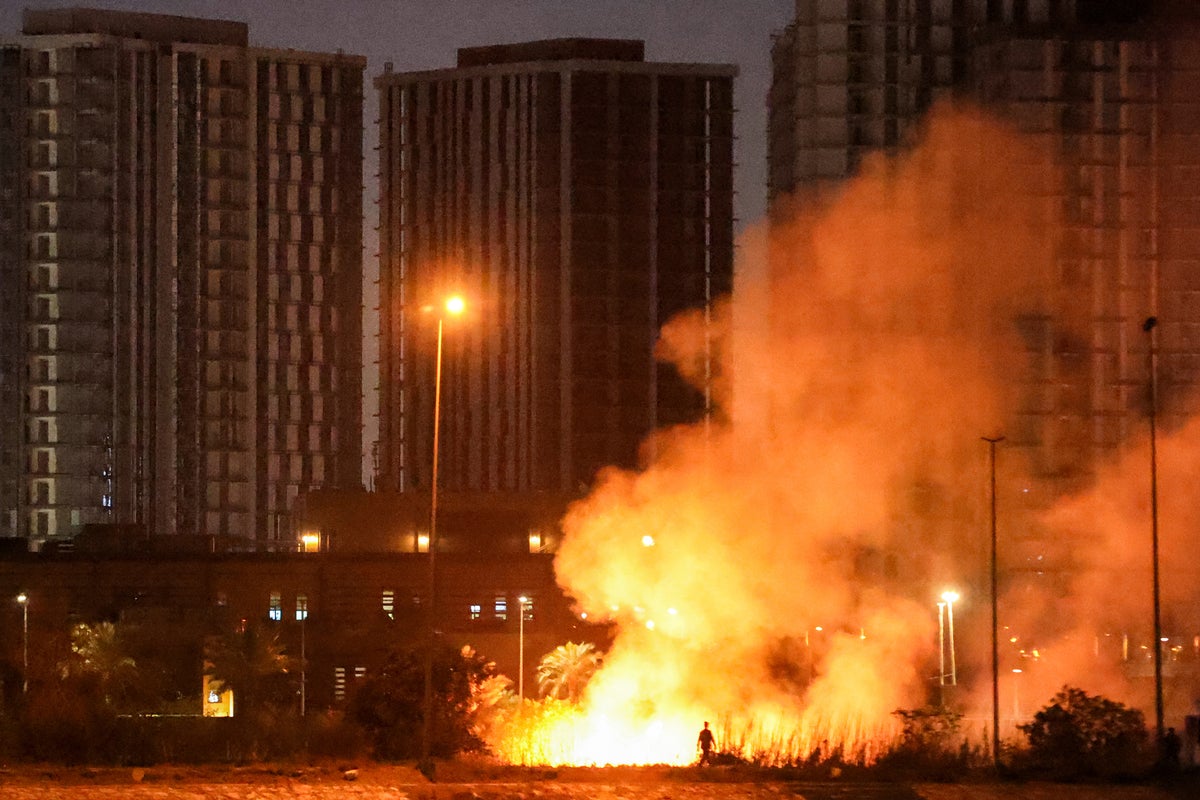
The smoke hadn't even cleared from the Baghdad compound before the cables started flying. When a diplomatic facility gets hit—especially one as massive and symbolic as the U.S. Embassy in Iraq—the response isn't just local. It's global. Washington just ordered a top-to-bottom security review for every single embassy worldwide. If you think this is just standard red tape, you’re missing the bigger picture. This isn't a drill. It’s a recognition that the lines of conflict in the Middle East have blurred to the point where any gate, anywhere, is a potential target.
State Department officials don't usually broadcast these orders with such urgency unless the threat intelligence is screaming. The strikes in Iraq, tied directly to the escalating friction involving Iranian interests, have fundamentally changed the "threat matrix." We aren't just looking at rogue protestors with spray paint anymore. We’re talking about sophisticated drone tech and precision munitions.
Why the Baghdad Strike Changed Everything
For years, the Green Zone in Baghdad was treated like a fortress. It was the "impenetrable" heart of American diplomacy in a chaotic region. That illusion broke. When rockets and drones can bypass multi-million dollar defense systems to land inside the wire, every other embassy starts looking like a sitting duck.
The current directive requires ambassadors and Regional Security Officers (RSOs) to look at their surroundings through a new lens. It’s not just about "Can we stop a truck bomb?" anymore. Now the question is "Can we stop a swarm of off-the-shelf drones rigged with explosives?" Most embassies aren't ready for that. They’re built for 20th-century threats. We're living in a 21st-century nightmare.
I’ve seen how these reviews go. They're grueling. Every vulnerability is poked and prodded. They look at "local guard forces"—usually hired locals—and wonder if their loyalties will hold when things get ugly. They check the thickness of the reinforced glass. They map out evacuation routes that probably haven't been tested in years. It's a frantic scramble to harden targets before the next strike happens.
The Iranian Shadow and Proxy Warfare
You can't talk about Baghdad without talking about Tehran. The strikes weren't an isolated incident of domestic unrest. They were a message. By hitting the compound, Iranian-backed groups proved they can reach out and touch the most protected Americans in the country.
This creates a massive headache for U.S. intelligence. If a militia in Iraq can do this, what's stopping a similar group in Lebanon, Yemen, or even further afield? The "Iran war" isn't a traditional battlefield with tanks and trenches. It’s a series of stabs in the dark, carried out by proxies who provide the main players with just enough "plausible deniability" to avoid an all-out nuclear exchange.
Hardening the Target
When an order like this comes down, the physical changes are immediate. You’ll see more Hesco barriers. More concertina wire. But the real work happens in the digital and intelligence space.
- Signal Intelligence: Monitoring local radio and cellular traffic near the embassy for "scouts."
- Counter-UAS Systems: Deploying tech to jam or shoot down small drones.
- Personnel Drawdowns: Sending non-essential staff home. If they aren't there, they can't get hurt.
It’s a grim way to run a diplomatic mission. How are you supposed to build relationships and "win hearts and minds" when you're hiding behind thirty feet of concrete and automated turrets? You can't. Diplomacy dies in a bunker. That’s exactly what the attackers want. They want to isolate the U.S., making the cost of presence so high that the only logical move is to leave.
The Logistics of Global Security Reviews
Reviewing "all" embassies is a logistical mountain. The U.S. has over 270 diplomatic posts. Some are in stable places like London or Tokyo. Others are in spots where the local government is one bad day away from collapsing. The State Department has to prioritize.
The focus is currently on the "High Threat, High Risk" posts. These are the places where the host country can’t or won't provide adequate protection. In places like Erbil or Amman, the tension is thick enough to cut. Security teams there aren't just checking IDs; they’re essentially operating as a small standing army.
What This Means for Americans Abroad
If you're a private citizen traveling or living overseas, these alerts should be on your radar. When the embassy enters a "heightened security posture," it affects everything. Consular services get delayed. Access to the building is restricted.
More importantly, the embassy is often the "canary in the coal mine." If they’re boarding up the windows, it’s a sign that the local environment is becoming toxic. The State Department's Smart Traveler Enrollment Program (STEP) is usually the first place these warnings hit, but by the time you get the email, the guards are already in full kit.
Real Talk on Risk Mitigation
Security reviews often reveal uncomfortable truths. Sometimes, a location is simply indefensible. We saw this in Benghazi. We saw it in Kabul. The "Baghdad strike" is a reminder that no amount of armor makes you invincible if the political will to protect the site is missing from the host government.
If the Iraqi government can’t stop militias from lobbing fire at the Green Zone, they effectively aren't in control. That’s the reality the U.S. is facing. It’s a choice between staying and risking lives, or pulling back and losing influence. Right now, Washington is trying to find a middle ground by "hardening" everything, but history shows that's a temporary fix.
Immediate Actions for the Current Climate
The world is getting smaller and louder. If you have interests in these regions, stop waiting for the "official" news to tell you things are bad. Look at the actions.
- Monitor the "Emergency Message" feed: Check the specific embassy website of the country you’re in, not just general news.
- Audit your own footprint: If you're running a business or an NGO near a diplomatic hub, your risk just went up by association.
- Diversify communication: Don't rely on local cell towers. If things go south, those are the first things that get jammed or shut down by the government.
The Baghdad strikes weren't the end of a chapter; they were the start of a much more dangerous one. Security reviews are a necessary reaction, but they don't solve the underlying problem. As long as the shadow war continues, the target on the back of every U.S. diplomat just gets bigger. Stay sharp. The "all-clear" isn't coming anytime soon.