The Tower of London is a place of heavy air and thicker stone. Tourists shuffle through the Jewel House in a slow, reverent line, hushed by the sheer weight of the gold on display. But when they reach the Queen Mother’s Crown, the silence changes. It becomes a question. Deep within the platinum frame sits a 105-carat oval of light—the Kohinoor diamond. To some, it is a masterpiece of geological fortune. To others, it is a stone that bleeds.
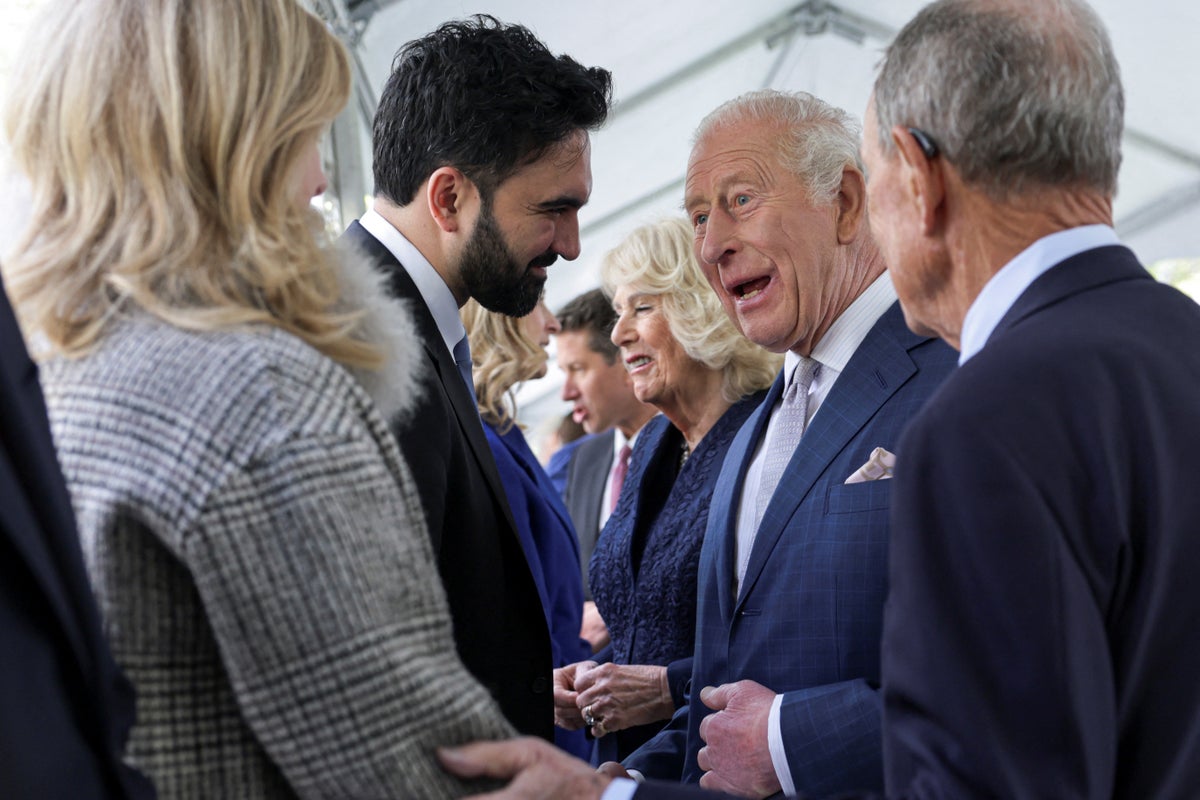
In the middle of a New York City election cycle, where the air is usually filled with the scent of street cart pretzels and the roar of the subway, the ghost of this diamond has suddenly reappeared. Zohran Mamdani, a state assemblyman now running for mayor, has pulled a thread that stretches from the five boroughs all the way back to the Punjab of 1849. He didn't just propose a policy; he issued a demand. If elected, he intends to ask King Charles III for the diamond's return.
It sounds like a stunt. It sounds like a man reaching for a headline in a crowded race. Yet, for the millions of South Asians living in New York and across the globe, the Kohinoor is not a piece of jewelry. It is a mirror.
The Boy King and the Signature
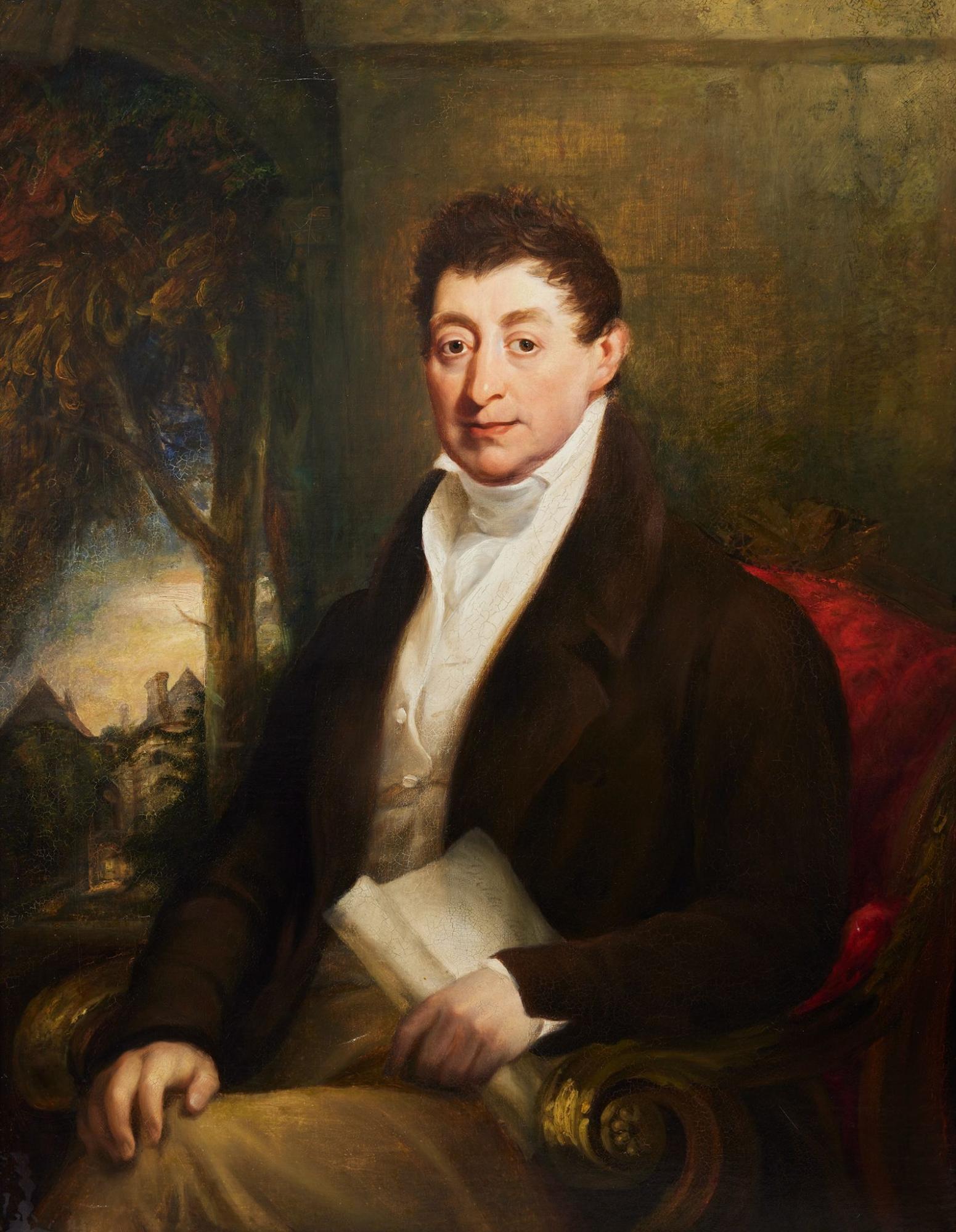
History is often taught as a series of treaties signed by men in powdered wigs or stiff collars. We forget the pulse of the person holding the pen. Consider Duleep Singh. He was ten years old. He was the last Maharaja of the Sikh Empire, a child tasked with holding back the tide of the British East India Company.
In 1849, after the Second Anglo-Sikh War, the Treaty of Lahore was presented to him. It was a document of surrender. One specific clause, Article III, mandated that the gem called the Koh-i-Noor be surrendered to the Queen of England. Imagine that child. He wasn't just giving up a rock. He was signing away the sovereignty of his people, his father's legacy, and his own future. He was later exiled to England, converted to Christianity, and lived as a tragic aristocrat—a living trophy of conquest.
When Mamdani speaks of the diamond, he is speaking of that boy. He is speaking of the millions of artifacts sitting in climate-controlled rooms in Europe while the cultures that birthed them possess only the memories. The "Mountain of Light" was once the largest diamond in the world, but its true mass is measured in the trauma of displacement.
A Mayor in the Middle of the World
Why should a mayor of New York care about a diamond in London? The logic seems strained until you look at the faces on the 7 train. New York is the capital of the world's diaspora. It is a city built by people who left things behind—sometimes by choice, often by force.
When a politician in a city as influential as New York takes a stand on colonial restitution, it isn't about local zoning laws or trash pickup. It’s about identity. Mamdani’s proposal is a signal to the South Asian community that their history is not a footnote. It is an acknowledgment that the wealth of the "First World" often sits on a foundation of "Third World" extraction.
Critics will say a mayor has no business in international diplomacy. They will argue that the Kohinoor’s history is too complex to boil down to a simple "return to sender." After all, the diamond passed through Persian, Afghan, and Mughal hands long before the British arrived. Every hand that held it was stained with the blood of the previous owner. But the British hand was the one that formalized the extraction into a legalistic theft, turning a spoils-of-war tradition into a systematic stripping of a nation's soul.
The Myth of the Curse
There is an old legend that the Kohinoor carries a curse. It says that he who owns the diamond will own the world, but will also know all its misfortunes. Only God or a woman can wear it with impunity. The British took this quite literally; the stone has only ever been worn by female royals since it arrived in the UK.
But the real curse isn't mystical. It’s the lingering resentment of an unfinished conversation. The British government has long maintained that the diamond was "legally" acquired through a treaty. This is the ultimate gaslighting of history. A treaty signed by a child captive under the threat of total annihilation is not a contract. It is a receipt for a robbery.
By bringing this to the forefront of a New York mayoral race, Mamdani is forcing a collision between the past and the present. He is asking New Yorkers to consider what "justice" looks like when the crime is nearly two centuries old. Is there a statute of limitations on the dignity of a nation?
The Weight of What We Keep
Consider a hypothetical family in Queens. They moved from Lahore or Amritsar thirty years ago. They pay their taxes, they run small businesses, they contribute to the vibrant, chaotic energy of the city. When they visit a museum and see an artifact from their homeland behind glass, they don't see art. They see a relative they aren't allowed to touch.
This is the human element that Mamdani is tapping into. It’s the feeling of being perpetually told that your greatest treasures are "safer" in the hands of those who took them. It is the subtle, ongoing implication that the East cannot be trusted with its own history.
The Kohinoor is currently set in the front of the Queen Mother's Crown. It sits in a dark room. It is guarded by men in tall fur hats. Outside, the world is changing. Countries are no longer content with "loans" of their own heritage. The movement for the return of the Benin Bronzes, the Elgin Marbles, and the Kohinoor is gaining a momentum that cannot be slowed by bureaucracy or appeals to "legal" treaties.
The Conversation That Never Ends
Mamdani’s quest is unlikely to end with him hand-carrying a 105-carat diamond on a flight to Delhi. The British Monarchy is famously resistant to the idea of "emptying the jewelry box." If they return the Kohinoor, what stops them from having to return the rest of the British Museum?
That is exactly the point.
The fear of a slippery slope is the fear of true accountability. If the return of one diamond triggers a collapse of the colonial trophy room, then perhaps that room was never meant to exist in the first place.
The diamond is a symbol of a world that was broken and never quite mended. When we talk about its return, we are talking about the possibility of a different kind of world—one where the "Mountain of Light" doesn't cast a shadow of theft, but reflects a future built on mutual respect.
New York is a city that never looks back, always pushing toward the next skyscraper, the next deal, the next sunrise. But sometimes, to move forward, you have to look at the ghosts. You have to acknowledge the boy king with the pen in his hand and the diamond in his pocket. You have to admit that some things are too heavy to be kept forever, no matter how brightly they shine.
The stone remains in London. The line of tourists continues to shuffle past. But the silence in the room is getting louder. It is the sound of a story that refuses to stay buried in the past, a story that has found its way to the streets of New York, waiting for someone to finally tell the truth about how it got there.