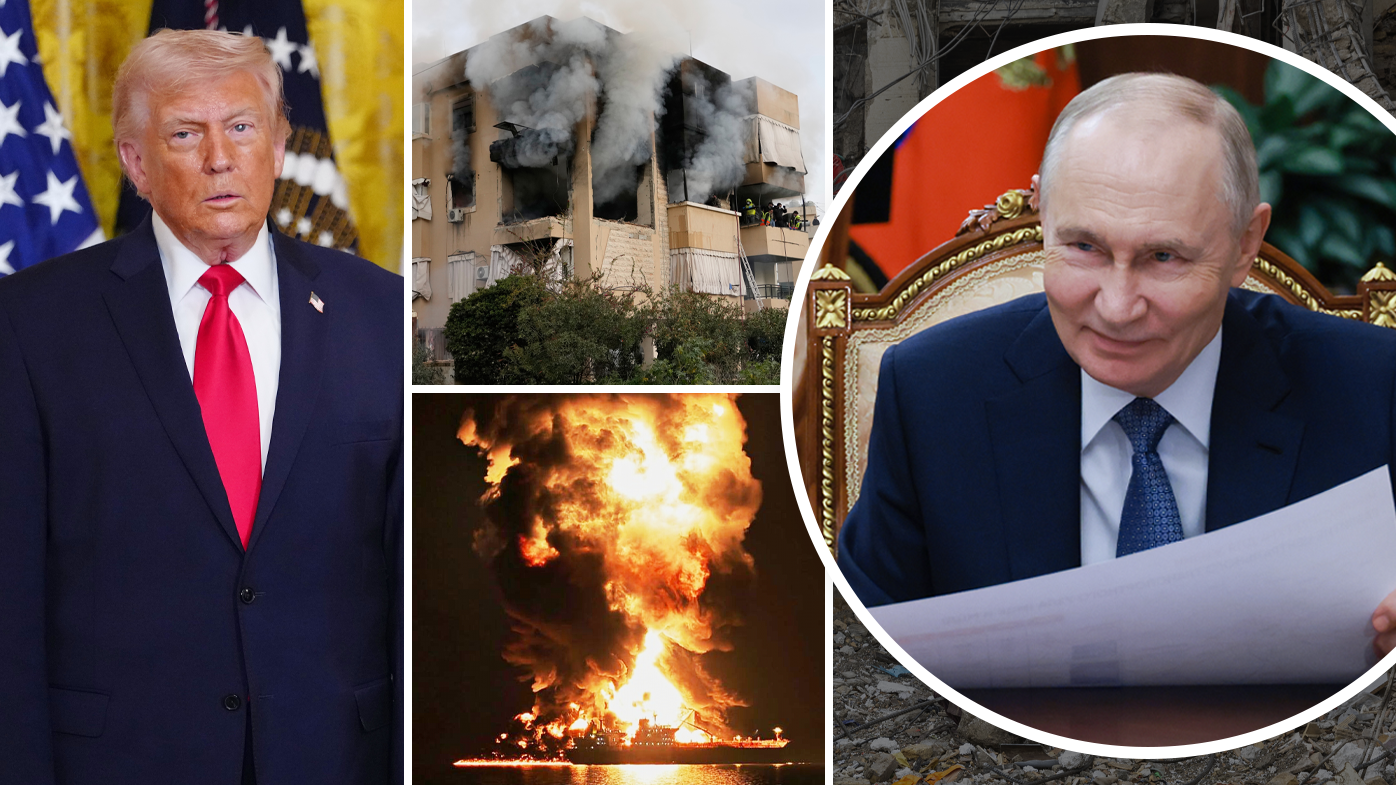
The primary beneficiary of prolonged escalation between the United States and Iran is not a specific political administration, but rather the structural consolidation of the "Resistance Axis" and the acceleration of a multipolar energy architecture. While Western political discourse focuses on the tactical optics of drone strikes or domestic polling, a more rigorous analysis reveals that the true winner is the strategic depth of the Islamic Republic’s regional network. This network gains legitimacy and operational cohesion through every cycle of kinetic engagement that falls short of total regime collapse.
The Asymmetric Value Proposition
Western military doctrine often measures success through the destruction of hardware or the neutralization of high-value targets. Iranian strategic planning, conversely, operates on a logic of "cost-imposition." This framework prioritizes the ability to increase the political and economic price of American presence in the Middle East until that presence becomes unsustainable.
- The Legitimacy Feedback Loop: Kinetic strikes from the West provide the necessary domestic and regional pretext for the Iranian security apparatus to marginalize internal dissent and consolidate control over the state's economic levers.
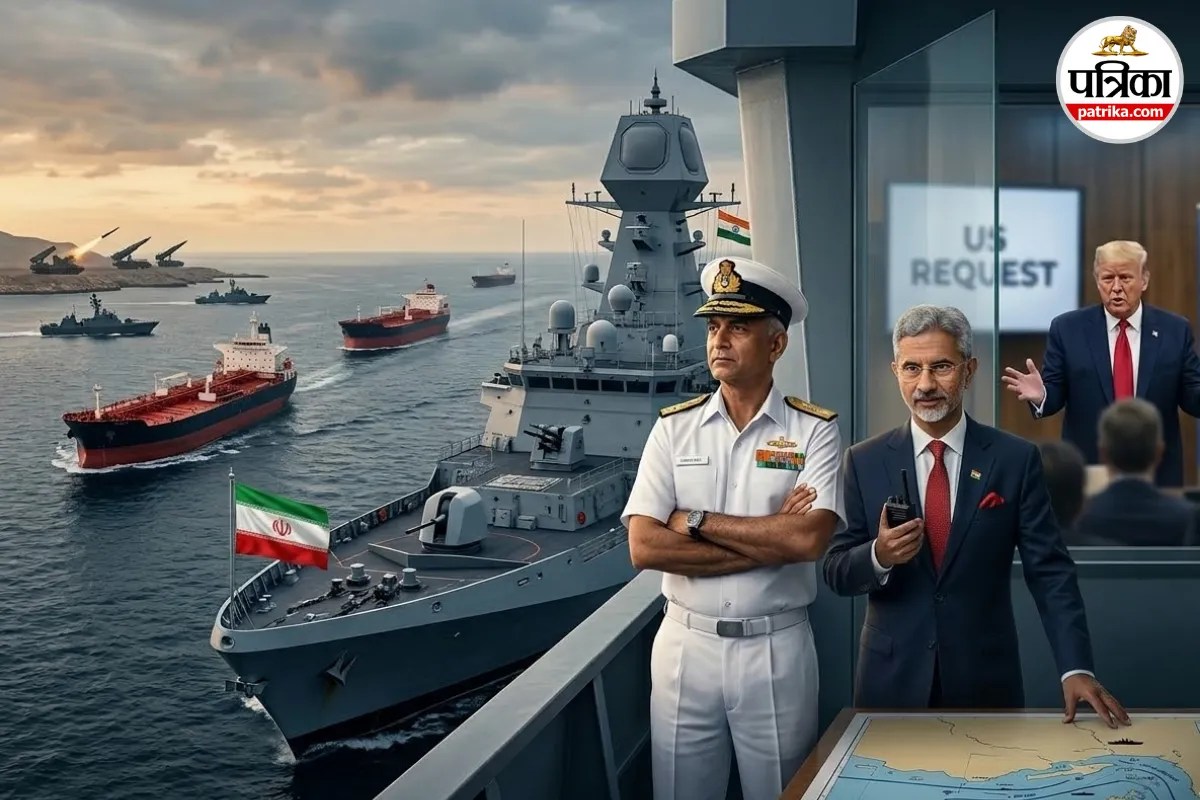
- Proximate Deterrence: By utilizing a decentralized network of non-state actors, Tehran ensures that any direct strike on its territory can be met with a multi-front response that threatens global energy corridors, specifically the Strait of Hormuz and the Bab el-Mandeb.
- The Erosion of Sanctions Efficacy: As the duration of the "maximum pressure" era extends, Iran has successfully pivoted toward a "resistance economy." This involves deep integration with Eurasian markets and the development of grey-market oil distribution channels that operate outside the SWIFT banking system.
The failure of the U.S. to achieve a definitive behavioral change in Tehran suggests that the current policy of intermittent escalation is functionally a subsidy for Iranian regional influence. Each engagement validates the Iranian narrative of being the sole regional power capable of standing up to "imperial" intervention, which functions as a powerful recruiting tool for militias in Iraq, Syria, Lebanon, and Yemen.
The Energy Weapon and the Multipolar Pivot
Global energy markets represent the most significant theater of this conflict. The volatility induced by Persian Gulf tensions accelerates a structural shift in how energy is priced and settled.
The weaponization of the U.S. dollar through secondary sanctions has forced major energy consumers—specifically China and India—to explore non-dollar settlement mechanisms. China’s long-term strategic partnership with Iran is not merely a trade deal; it is a foundational hedge against the U.S. Navy’s ability to "choke" energy supplies. By securing a reliable, sanctioned-at-a-discount source of hydrocarbons, China gains a competitive advantage in manufacturing costs while simultaneously degrading the petrodollar's hegemony.
The Cost Function of Regional Engagement
Maintaining a high-readiness posture in the Middle East imposes a massive "opportunity cost" on the U.S. military. Every billion dollars spent on carrier strike groups in the Arabian Sea is a billion dollars not spent on the "Pacific Pivot" or the modernization of cyber and space capabilities.
- Logistical Fragility: The reliance on fixed bases in the Gulf creates "sitting duck" targets for increasingly sophisticated Iranian drone and missile technology.
- Fiscal Displacement: The persistent funding of Middle Eastern contingencies contributes to the long-term degradation of the U.S. fiscal position, a reality that adversaries like Russia and China view as a strategic victory in a war of long-term attrition.
The Failure of the "Madman" Theory
Political analysts often debate whether a "hardline" or "diplomatic" U.S. president is better at containing Iran. This debate misses the institutional reality of the Islamic Revolutionary Guard Corps (IRGC). The IRGC’s power is decoupled from the specific occupant of the White House.
If the U.S. acts unpredictably (the "Madman" approach), the IRGC uses the perceived threat to justify higher military spending and harsher internal crackdowns. If the U.S. acts predictably or seeks de-escalation, the IRGC uses the breathing room to expand its ballistic missile program and harden its nuclear infrastructure.
The Iranian state has mastered the art of "Strategic Patience." They recognize that Western democracies are beholden to short-term election cycles (two to four years), while their own strategic horizon is measured in decades. This temporal mismatch allows Tehran to absorb short-term tactical losses while securing long-term territorial and political gains.
The Fragmentation of the Sunni Bloc
A critical, often overlooked result of the U.S.-Iran tension is the fracturing of the traditional "Anti-Iran" coalition led by Saudi Arabia and the UAE.
Seeing that the U.S. security guarantee is conditional and subject to the whims of American domestic politics, Gulf monarchies have begun a process of "hedging." The 2023 rapprochement between Riyadh and Tehran, mediated by Beijing, signifies a fundamental shift. The Gulf states are no longer willing to be the primary battleground for a U.S.-Iran proxy war. They are diversifying their security portfolios, which inherently benefits Iran by reducing the cohesion of its regional opposition.
The emergence of the BRICS+ framework, which now includes both Iran and Saudi Arabia, creates a platform for regional dispute resolution that bypasses Washington entirely. This institutionalizes Iranian presence in the global south's decision-making bodies, providing a layer of diplomatic armor that no amount of targeted strikes can pierce.
The Nuclear Threshold as a Permanent Lever
Iran’s nuclear program has reached a state of "technical irreversibility." Even if the physical infrastructure were destroyed, the "know-how"—the human capital and engineering data—cannot be bombed.
Iran has successfully positioned itself as a "threshold state." By staying just months away from a breakout capacity, they maintain a permanent piece of leverage. This status allows them to demand concessions in exchange for not building a weapon, a cycle of "extortion-diplomacy" that has proven remarkably resilient against both Democratic and Republican administrations.
The cost of a full-scale invasion to "solve" the nuclear issue is estimated in the trillions of dollars and would likely lead to a global economic depression. Because this "nuclear option" for the U.S. is effectively off the table, Iran operates with a high degree of confidence that they can push the envelope without triggering a regime-ending response.
Strategic Realignment: The Displacement of the West
The ultimate winner is the emerging Eurasian security architecture. By keeping the U.S. bogged down in a low-intensity, high-cost conflict in the Levant and the Gulf, Iran serves as the ultimate "fixer" for Moscow and Beijing.
- For Russia: Iran provides a critical bypass for sanctions and a source of low-cost, high-impact military hardware (drones).
- For China: Iran offers a strategic foothold in the Middle East that challenges the "Blue Water" dominance of the U.S. Navy.
The traditional "unipolar" world, where the U.S. could dictate the terms of Middle Eastern security, has ended. The winner of the war in Iran is the concept of regionalism—the idea that Middle Eastern affairs will increasingly be settled by Middle Eastern powers and their Eurasian partners, rather than by Western expeditionary forces.
The strategic play for any global actor now is to move away from the binary of "engagement vs. isolation" and instead focus on the management of a multipolar Middle East. This requires accepting that Iran is a permanent regional stakeholder whose influence cannot be "rolled back" through conventional military or economic pressure. Future stability depends on a new regional security architecture that integrates Iranian interests into a broader framework of maritime security and energy stability, a reality that the West has yet to reconcile with its domestic political requirements.