The media ecosystem loves a predictable arc. An international journalist gets detained by an authoritarian regime, spends years in isolation, secures release through grueling diplomatic back-channels, and returns home to a hero's welcome. Then, like clockwork, comes the inevitable pivot: the memoir, the book tour, and the stage adaptation.
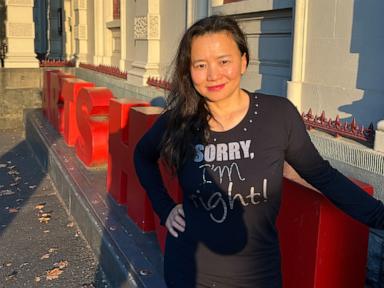
We saw it with Cheng Lei, the Australian journalist held in China for over three years. Her journey from a Beijing isolation cell to the pages of a memoir and onto the theater stage is being celebrated as a triumph of the human spirit. The cultural elite applauds it as "bearing witness" and "reclaiming the narrative."
They are wrong.
Turning severe geopolitical trauma into a night of middle-class theater does not challenge authoritarian regimes. It commodifies them. It reduces raw, terrifying state power into a digestible cultural product designed to make Western audiences feel enlightened while changing absolutely nothing about the underlying power dynamics. We need to stop treating international detention as a raw material for the creative arts industry.
The Mirage of Reclaiming the Narrative
The prevailing consensus insists that writing a book or staging a play allows former detainees to take back their power. This sentiment assumes that the primary injury of state detention is a lack of narrative control.
It isn't. The injury is a brutal deprivation of liberty, a calculated exercise in state leverage, and a stark reminder that individuals are mere pawns in macroeconomic standoffs.
When a writer translates that experience into a theatrical production, the harsh reality of state surveillance gets scrubbed for dramatic pacing. The agonizing, mundane emptiness of a cell is repackaged into soliloquies. Audiences buy their tickets, sit in comfortable seats, gasp at the tense moments, applaud the protagonist's resilience, and go out for drinks afterward.
This isn't resistance; it is catharsis as a consumer good. The regime that perpetrated the detention remains entirely unaffected by a standing ovation in Sydney or London. In fact, it serves their interests by signaling that the consequences of their extraterritorial overreach will ultimately be handled by the literary arts department rather than the defense department.
The Economics of the Ordeal Memoir
I have spent decades watching how Western media operations react when their personnel get caught in the gears of foreign intelligence apparatuses. The corporate cycle is deeply cynical.
First comes the crisis management phase: public silence, frantic lobbying, and desperate appeals to foreign ministries. But the moment the wheels of the evacuation plane touch down, the machinery shifts from rescue to monetization. Publishers scramble for the rights. Literary agents calculate the advance based on the number of days spent in solitary confinement.
Consider the mechanics of the publishing industry. A standard geopolitical memoir relies on a highly formulaic structure:
- The Setup: The illusion of safety while working abroad.
- The Breach: The sudden knock on the door at dawn.
- The Crucible: The psychological warfare of interrogation.
- The Resolution: The emotional reunion and the discovery of inner strength.
By forcing a complex international incident into this rigid, commercial framework, we strip the event of its structural meaning. The story becomes individualized. The audience leaves believing that the solution to state-sponsored hostage diplomacy is individual fortitude, rather than a systemic restructuring of trade dependencies and diplomatic penalties.
The Downside We Refuse to Acknowledge
Advocating for a halt to the memoir-to-stage pipeline comes with an uncomfortable truth. The individual who suffered deserves to tell their story, and they certainly deserve the financial compensation that follows a traumatic event. Denying them that opportunity feels cruel.
But we must weigh that individual financial recovery against the broader strategic cost.
When we convert geopolitical espionage cases into prestige television and theatrical plays, we inadvertently provide foreign intelligence services with a flawless playbook. Bureaucrats in Beijing, Moscow, and Tehran read these books too. They do not read them for literary merit; they read them as post-incident reports. They analyze how their tactics broke the individual, what information leaked through consular visits, and how the prisoner's psychological defenses crumbled.
Every detailed chapter about interrogation techniques or the psychological toll of specific cell conditions acts as free feedback for the interrogators. It tells them exactly what worked and what didn't, allowing them to refine their methods for the next journalist, academic, or corporate executive they decide to snatch.
Dismantling the Premium-Tier Empathy Flaw
The cultural commentary surrounding these adaptations always returns to a single, flawed question: "How can we make the public truly understand the horror of foreign detention?"
This is the wrong question to ask. The public does not need to empathize with the victim; the public needs to understand the risk profile of operating within authoritarian borders.
When people ask how to support journalists who have been detained, the standard response is to buy their book or attend their play. This response is fundamentally lazy. It substitutes commercial consumption for political action. If you want to disrupt the cycle of state-sponsored detention, you do not buy a theatre ticket. You demand that your government impose strict economic sanctions on the officials responsible. You pressure corporations to divest from regimes that use hostage diplomacy as a tool of statecraft.
The Reality of the Modern Correspondent
The romanticized myth of the foreign correspondent—the daring truth-teller who risks the gulag to bring back the scoop—is obsolete. Modern authoritarian states do not care about bad press in the West. They care about control.
When a journalist is detained today, they are rarely targeted because of a specific, groundbreaking article they are about to publish. They are targeted because their passport matches a country that currently holds an asset the regime wants back, or because their home country just signed a hostile trade pact.
By continuing to frame these detentions through the lens of free speech and heroic journalism, the media elite obscures the cold reality of hostage economics. Cheng Lei’s ordeal was not a debate about media freedom; it was a transaction. Treating it as a creative breakthrough for the Australian arts scene distorts the cold, mathematical nature of modern geopolitics.
Stop romanticizing the survival. Stop turning the trauma into an evening of high culture. The next time a journalist is released from a foreign prison, let them heal in private, let the state intelligence agencies debrief them in secret, and keep the playwrights out of the room.
Anything less is just turning state-sponsored terror into entertainment.