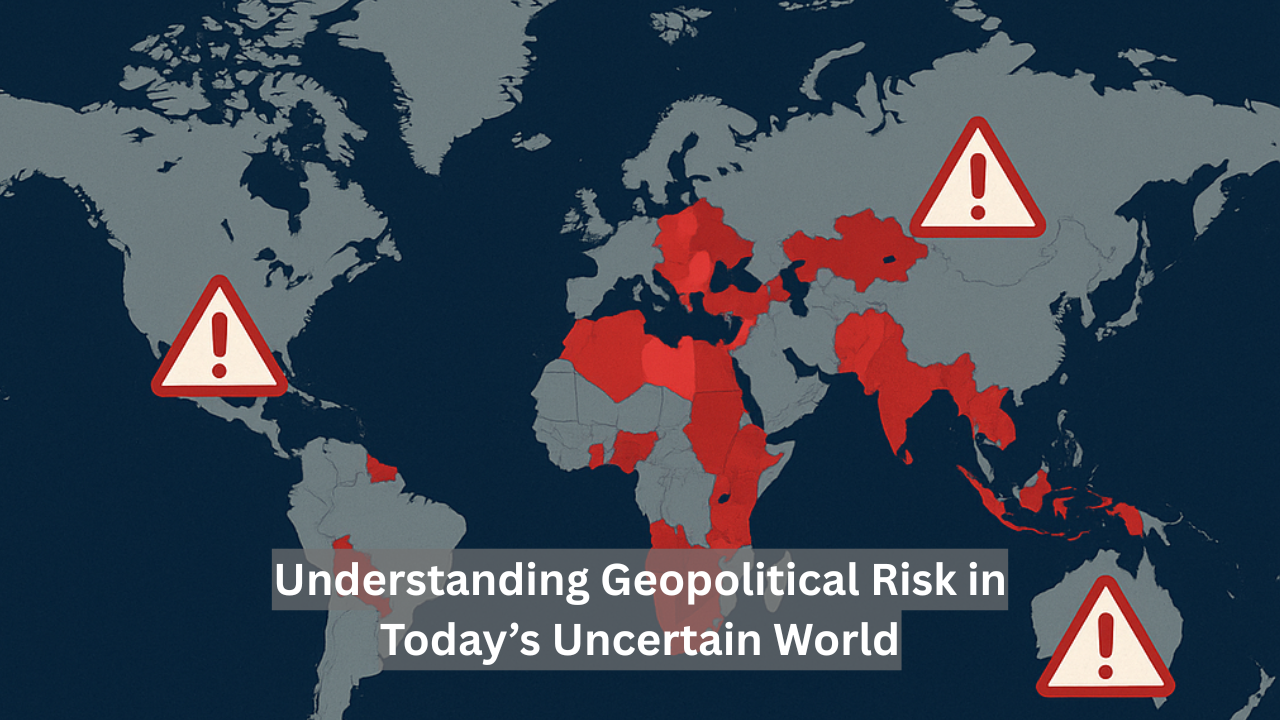
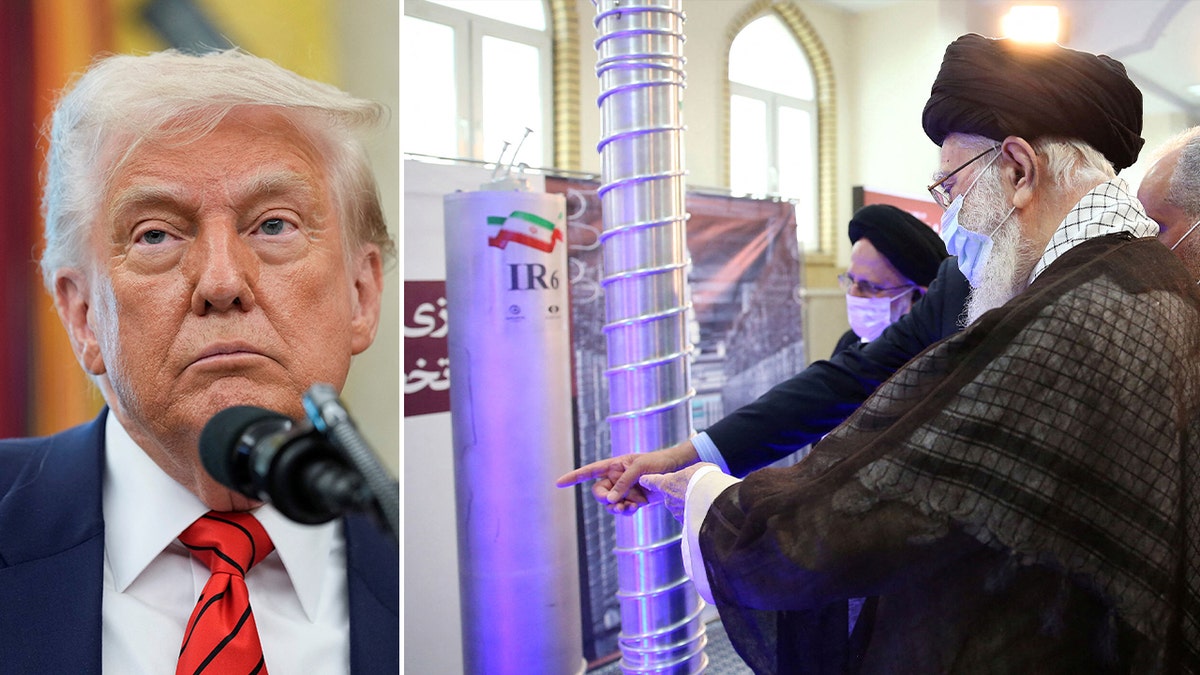
The Strait of Hormuz is the world's most sensitive energy chokepoint, where a physical width of only 21 miles dictates the price of global industrial stability. While political rhetoric often frames the "opening" or "closing" of the Strait as a matter of simple diplomatic will, the reality is governed by a complex interplay of maritime law, naval kinetic capacity, and the inelasticity of global energy markets. Any call for the "opening" of the Strait—whether from the Spanish presidency or any other Western power—must be analyzed through the lens of structural dependency and the specific technical constraints of the Persian Gulf’s littoral geography.
The Triple Constraint of Maritime Transit
The functionality of the Strait of Hormuz rests on three distinct pillars: legal status, physical throughput capacity, and insurance risk premiums. For a more detailed analysis into this area, we recommend: this related article.
1. The Transit Passage Regime
Under the United Nations Convention on the Law of the Sea (UNCLOS), the Strait is governed by the "transit passage" regime. This differs significantly from "innocent passage." Transit passage allows vessels—including warships—the right to unimpeded navigation for the purpose of continuous and expeditious transit.
The friction arises because Iran is not a party to UNCLOS, although it generally respects its provisions as customary international law. When a political leader calls for the "opening" of the Strait, they are essentially demanding the enforcement of Part III of UNCLOS. The bottleneck is not just physical; it is a jurisdictional gray zone where the coastal states (Oman and Iran) exert varying degrees of regulatory pressure on the Traffic Separation Schemes (TSS). To get more details on the matter, extensive coverage is available on USA Today.
2. Physical Throughput and Flow Dynamics
The Strait facilitates the movement of approximately 21 million barrels of oil per day (bpd), representing roughly 20% of global petroleum liquid consumption. More critically, it is the primary exit point for one-third of the world’s liquefied natural gas (LNG).
The technical vulnerability lies in the TSS, which consists of two-mile-wide inbound and outbound lanes separated by a two-mile-wide buffer zone. If a single Ultra Large Crude Carrier (ULCC) were scuttled or stalled within these lanes, the resulting draft restrictions and navigational hazards would effectively reduce the Strait’s capacity by 50% or more until the wreckage was cleared—a process that, in a high-tension environment, could take weeks.
3. The Insurance Risk Multiplier
The "opening" of the Strait is often a misnomer. The Strait is rarely physically "closed" by a blockade; rather, it is closed by the market. When kinetic threats increase—such as the seizure of tankers or the deployment of limpet mines—Lloyd’s Market Association’s Joint War Committee (JWC) elevates the risk rating of the Persian Gulf.
This triggers a surge in War Risk Premiums. If insurance costs exceed the profit margin of a cargo, or if insurers refuse coverage entirely, the Strait is effectively closed to commercial traffic regardless of its physical state. Strategic calls for "stability" are, in economic terms, attempts to suppress the volatility of these premiums to maintain the viability of the global supply chain.
The Asymmetric Deterrence Model
The geopolitical tension surrounding the Strait is defined by an asymmetry of stakes. For Western economies and East Asian importers (China, Japan, South Korea), the Strait is an existential economic artery. For regional actors, particularly Iran, the Strait is a tool of "offset" strategy.
The mechanism of deterrence here is the Cost of Interdiction vs. Cost of Escort.
- Interdiction: Low-cost, high-impact. It involves fast attack craft, shore-to-ship missiles (such as the Noor or Qader series), and bottom-moored mines.
- Escort: High-cost, medium-impact. It requires carrier strike groups, mine countermeasures (MCM) vessels, and constant aerial surveillance.
The imbalance of these costs means that even the threat of disruption forces a disproportionate allocation of naval resources from Western powers. When Spain or the EU calls for the Strait to remain open, they are advocating for the maintenance of a status quo that favors the consumer at the expense of the littoral state's leverage.
Infrastructure Limitations and the Myth of Bypass
A common misconception in energy strategy is that pipelines provide a redundant safety net for the Strait of Hormuz. A rigorous audit of regional infrastructure reveals this is only partially true.
The Capacity Gap
The primary bypass routes include:
- The Habshan–Fujairah Pipeline (UAE): Capacity of approximately 1.5 million bpd.
- The East-West Pipeline (Saudi Arabia): A theoretical capacity of 5 million bpd, though actual sustainable throughput is often lower due to domestic consumption requirements and maintenance cycles.
- The Goreh-Jask Pipeline (Iran): Designed specifically to bypass the Strait, targeting 1 million bpd.
Total bypass capacity currently sits below 9 million bpd. With 21 million bpd transiting the Strait, a total closure would result in a net deficit of 12 million bpd that cannot be mitigated by existing land-based infrastructure. This creates a hard ceiling on global energy resilience.
$$Deficit = Total\ Transit - \sum (Bypass\ Capacities)$$
This equation demonstrates why the Strait’s status is not a regional issue but a global systemic risk. The shortfall would trigger the activation of Strategic Petroleum Reserves (SPR) globally, but even the SPR is a finite buffer against a permanent or long-term structural blockage.
The Escalation Ladder of Maritime Interdiction
To understand the weight of diplomatic statements regarding the Strait, one must categorize the levels of potential disruption. We can define this through a four-stage escalation ladder:
- Level 1: Bureaucratic Friction. Increased inspections, "environmental" stops, and harassment of crews. This slows the velocity of trade but maintains the flow.
- Level 2: Targeted Seizures. Retaliatory capture of specific flagged vessels. This spikes insurance premiums but allows the majority of traffic to continue.
- Level 3: Kinetic Harassment. The use of drones or limpet mines to damage hulls. This creates a "shadow closure" where shipowners refuse to enter the Gulf.
- Level 4: Total Blockade. The mining of the TSS and the deployment of coastal batteries. This is a casus belli that leads to direct naval conflict.
When a political leader addresses the Strait, they are usually attempting to de-escalate from Level 2 back to Level 1. However, without a structural change in the underlying regional security architecture, these calls remain rhetorical rather than operational.
Strategic Realignment and the Role of Non-State Actors
The traditional state-centric view of the Strait is being disrupted by the proliferation of Unmanned Surface Vessels (USVs) and Loitering Munitions. The barrier to entry for disrupting the Strait has dropped significantly. A non-state actor or a proxy force can now achieve Level 3 escalation with minimal capital investment.
This democratization of disruption means that "opening the Strait" is no longer just a negotiation between governments; it requires the neutralization of distributed threats across the entire littoral zone. The tactical burden has shifted from fleet-on-fleet engagement to a continuous, high-intensity "policing" action that exhausts the operational readiness of traditional navies.
The China Variable
China is the largest consumer of oil flowing through the Strait. This creates a unique tension in the "opening" of the waterway. While Western powers provide the security (the "Global Policeman" role), China reaps the stability benefits.
Any strategic move to secure the Strait must account for the Free Rider Effect. If the US and its allies (including EU members like Spain) commit more naval assets to keep the Strait open, they are effectively subsidizing the energy security of their primary economic competitor. This internal contradiction limits the willingness of Western nations to provide anything beyond rhetorical support or limited-scope maritime task forces.
The Structural Path Forward
Securing the Strait of Hormuz requires moving beyond the "crisis-response" loop. A data-driven strategy for long-term stability necessitates:
- Hard-Coding Redundancy: Expanding the Saudi East-West pipeline and the UAE’s Fujairah routes to a combined capacity of 15 million bpd. This reduces the Strait's "leverage value" by making it a secondary rather than a primary route for at least 70% of Gulf production.
- Digital Twin Monitoring: Implementing a real-time, blockchain-verified cargo and vessel tracking system to reduce "Bureaucratic Friction" and provide insurers with high-fidelity data to lower risk premiums during periods of low kinetic activity.
- Regional Maritime Security Frameworks: Moving away from external "escort" models toward a regional "coastal guard" model that includes littoral states in a shared-profit/shared-risk insurance pool.
The Strait of Hormuz will remain a chokepoint so long as the global economy treats it as a natural given rather than a fragile, engineered system. Political calls for its opening are the beginning of a conversation, not the end. The real work lies in the de-risking of the transit lanes through infrastructure diversification and the cold math of naval deterrence.
The immediate requirement for international stakeholders is the formalization of a "Hormuz Transit Agreement" that separates commercial energy flows from regional political disputes. Without this legal and technical insulation, the world’s most important waterway remains a hostage to the next cycle of geopolitical volatility.
Would you like me to analyze the specific impact of a 15% reduction in Hormuz throughput on the Eurozone's manufacturing sector?