The self-identification of Donald Trump as a "peacemaker" is not a moral claim but a strategic assertion regarding the efficacy of transactional bilateralism over institutional multilateralism. To analyze the validity of this legacy, one must look past the rhetoric of "great deals" and dissect the underlying mechanism: the use of asymmetric leverage and the deliberate destabilization of status quo diplomatic norms. The "Peacemaker" framework operates on the premise that traditional, consensus-based diplomacy creates a "free-rider" problem that perpetuates low-level conflicts. By withdrawing from or threatening to dissolve these structures, the Trump administration forced a recalibration of regional power balances.
The Mechanism of Transactional Pacification
The core of this strategy rests on the Economic-Security Linkage. Unlike the post-WWII liberal order, which viewed trade and security as separate silos, the Trumpian model treats them as a unified currency. Peace is not sought through shared values or "human rights" frameworks; it is negotiated as a commodity.
- Cost-Benefit Realignment: By imposing tariffs or withdrawing military subsidies (as seen in NATO or South Korean defense cost-sharing negotiations), the administration shifts the cost of conflict onto the participants. When the price of maintaining a stalemate exceeds the price of a concession, the parties are incentivized to move toward a "deal."
- The "Madman" Theory of Credibility: Traditional diplomacy is predicated on predictability. Trump's "Peacemaker" persona is paradoxically rooted in his volatility. By signaling a willingness to walk away from agreements (such as the JCPOA or the Paris Agreement), he creates a credibility gap that forces adversaries and allies alike to re-examine their bottom-line positions. This unpredictability serves as a de facto deterrent, as it raises the "uncertainty premium" for any actor considering an escalation of conflict.
The Abraham Accords: A Case Study in Circumvention
The most tangible data point supporting the "Peacemaker" claim is the Abraham Accords. This series of normalization agreements between Israel and several Arab nations (UAE, Bahrain, Sudan, Morocco) represents a fundamental departure from the "Palestine-First" diplomatic consensus that dominated the Middle East for seven decades.
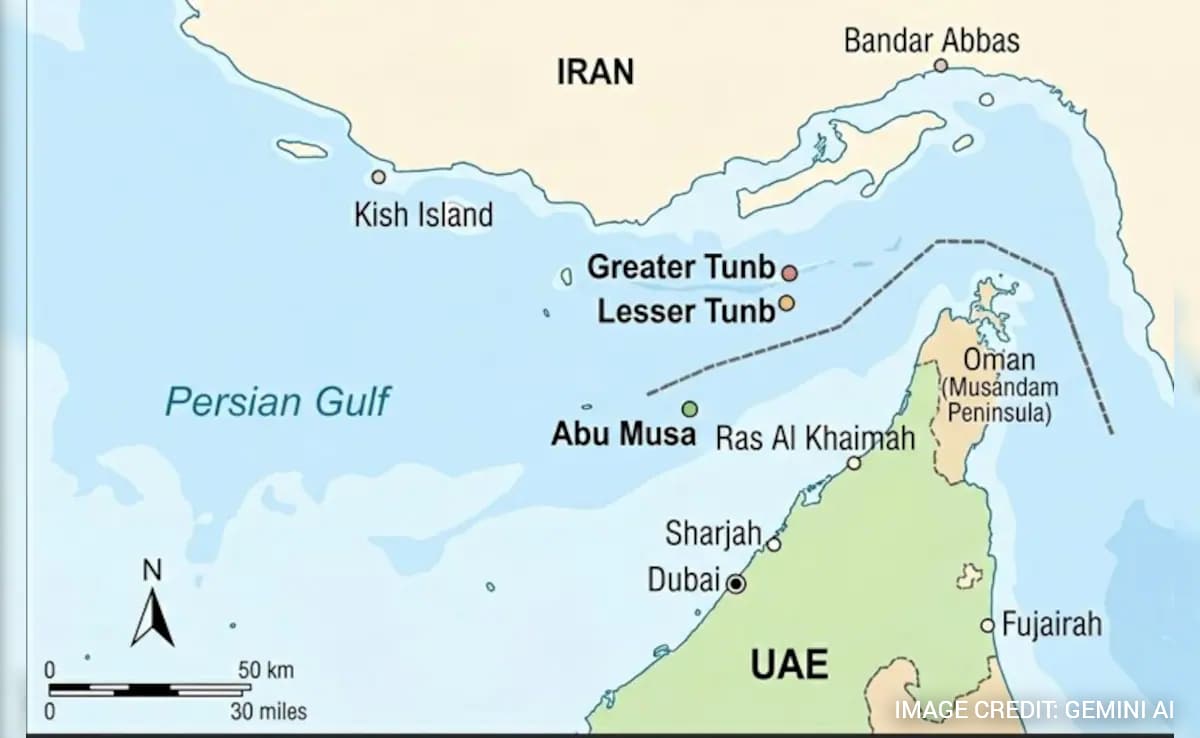
The logic here was Parallel Interest Alignment. By removing the Palestinian veto on regional cooperation, the administration identified a common threat—the Iranian regional footprint—as the primary driver for a new security architecture.
- Variable 1: Economic Integration: The Accords were not just diplomatic; they were commercial. Direct flights, banking cooperation, and tourism created immediate, quantifiable stakeholders in the "peace."
- Variable 2: Security Consolidation: The Accords effectively formalized a "de facto" alliance. This is a classic "security dilemma" resolution: when two parties fear a third party more than they fear each other, peace becomes the most rational utility-maximizing choice.
However, the limitation of this framework is its durability. A peace built on a shared adversary (Iran) is only as stable as that shared threat. Should the Iranian regime collapse or pivot toward a more moderate posture, the underlying rationale for the Abraham Accords could erode, revealing the latent tensions that the transactional model purposefully ignored.
The Cost-Function of Bilateralism
The "Peacemaker" legacy must be weighed against the Institutional Decay Constant. While bilateral deals can be reached quickly, they often come at the expense of long-term, multilateral stability.
- Erosion of Collective Defense: The constant questioning of Article 5 of the NATO treaty or the withdrawal from the INF Treaty (Intermediate-Range Nuclear Forces Treaty) creates a vacuum. While this might force allies to spend more on their own defense (a stated goal of the administration), it also invites opportunistic aggression from third-party state actors who perceive a fracturing of the Western alliance.
- The Transactional Friction: Peace achieved through "strongman" negotiation is inherently brittle. Because it relies on the personal rapport or the specific leverage of a single leader (e.g., the Singapore Summit with Kim Jong Un), it lacks the institutional "memory" required to sustain peace across multiple administrations. The North Korean example illustrates this: despite high-profile summits and the cessation of long-range missile tests for a period, the underlying nuclear capabilities and strategic objectives of the DPRK remained unchanged.
Quantifying the Legacy: Beyond the Narrative
To objectively measure the "Peacemaker" claim, one must look at the Net Conflict Index. During the Trump administration, the United States did not enter any new major ground wars. This is a significant statistical outlier compared to the previous three presidencies.
- Reduction in Expeditionary Footprint: The shift toward "over-the-horizon" counterterrorism and the use of economic sanctions as a primary tool of statecraft reduced the immediate risk of American casualties.
- The "Price of Non-Engagement": The counter-argument is that by avoiding direct conflict, the administration allowed for the "slow-burn" escalation of gray-zone warfare (cyberattacks, disinformation, and territorial encroachment in the South China Sea). The peace achieved was, in many cases, a tactical pause rather than a strategic resolution.
The Final Strategic Calculus
The claim of being a "peacemaker" is logically consistent if "peace" is defined as the absence of new, large-scale American kinetic involvement and the brokering of transactional normalization between historic rivals. It is logically inconsistent if "peace" is defined as the strengthening of the international rules-based order or the permanent resolution of underlying ethnic and territorial grievances.
For a future administration or a rival state actor, the Trumpian model provides a blueprint for Disruptive Diplomacy. It proves that the "sunk cost fallacy" of long-standing diplomatic traditions can be broken by a leader willing to ignore institutional consensus. Yet, the long-term risk remains: a world without predictable, rules-based guardrails is a world where every "deal" is subject to immediate renegotiation, and the cost of maintaining the peace rises with every new cycle of leverage-seeking.
The next strategic play is not a return to the pre-2016 status quo, but the integration of this transactional leverage into a more durable, institutional framework. The Abraham Accords should be expanded into a formal regional security pact, while NATO's internal defense spending targets should be codified into a "readiness-for-relevance" metric that justifies continued US participation. Peace is no longer a given; it is a high-cost asset that must be actively managed through a combination of hard-power deterrence and economic-interest alignment.