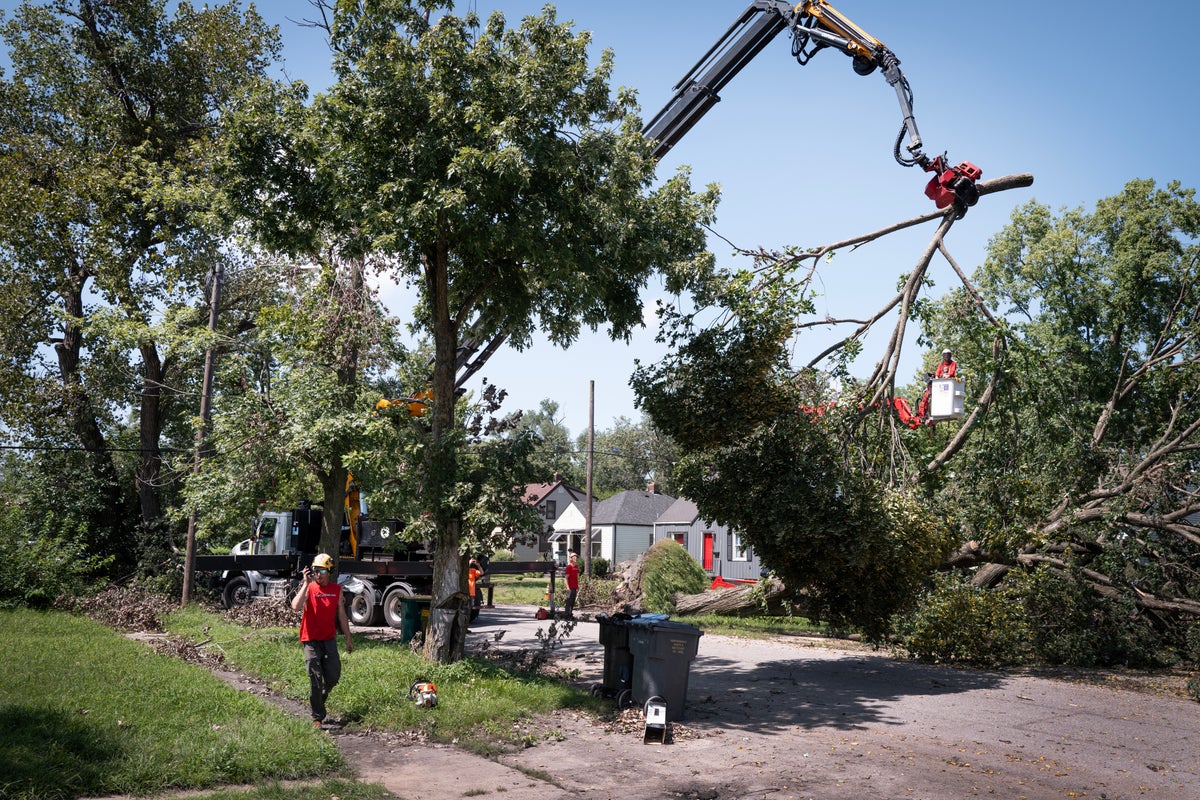
Pitch-black streets. Spoiled insulin. Stifling heat inside homes with no working air conditioning. For thousands of people in Gary, Indiana, this became reality after a violent derecho slammed the region with 99 mph winds.
Weeks later, the crisis hasn't ended. While utility crews scramble to fix shattered infrastructure, residents are left asking why basic survival utilities take so long to return.
The Reality on the Ground in Gary
When a storm packs the punch of a hurricane without warning, things break. But the aftermath in northwest Indiana exposed deep cracks in emergency readiness. More than 300,000 customers lost electricity at the peak of the severe weather in mid-August.
While neighboring areas bounced back quickly, Gary remained trapped in the dark.
Why did Gary bear the brunt of the prolonged blackout? Officials pointed to thousands of downed trees and hundreds of snapped utility poles. Yet, locals see a different picture. About one-third of Gary's population lives below the poverty line. For families living paycheck to paycheck, buying a generator or replacing hundreds of dollars worth of spoiled groceries isn't an option.
People relied on community hubs just to charge phones, grab a bottle of water, or sit in air conditioning for an hour. Seniors dependent on home oxygen tanks faced immediate danger when their backup batteries died. Diabetics watched helplessly as their expensive insulin grew warm and useless on kitchen counters.
Pointing Fingers at the Utility Provider
Frustration naturally boiled over into anger directed at the Northern Indiana Public Service Company (NIPSCO). Residents noted the irony of strict utility cutoff policies for missed payments versus sluggish response times during catastrophic failures.
A class-action lawsuit quickly materialized. The legal filing accuses the utility of failing to adequately clear hazardous tree limbs away from power lines long before the storm hit.
NIPSCO defended its record, stating that vegetation management spending had doubled over the past decade and calling the storm an unprecedented event. Company executives emphasized that hundreds of linemen worked around the clock, bringing in out-of-state crews to rebuild transmission lines from scratch.
Still, explanations don't cool down a sweltering apartment room.
The Broader Impact on Daily Life
Infrastructure failures ripple through an entire community. Schools delayed their opening weeks. Parents missed shifts at work because they had to stay home with kids or care for elderly relatives. Local businesses sat shuttered for half a month, losing vital revenue they might never recover.
State officials scrambled to catch up. Governor Mike Braun requested major disaster declarations and federal assistance from FEMA, estimating regional damages in the billions. President Joe Biden or federal authorities authorized emergency declarations to speed up aid, but federal relief moves slowly when people need immediate help today.
Security also became an issue during the crisis. Tensions ran so high that restoration work paused temporarily after a NIPSCO vehicle was struck by gunfire while surveying damage, forcing police to step in and investigate. Mayor Eddie Melton urged calm, reminding everyone that crews were there to help restore normalcy.
What Needs to Change Right Now
Disasters reveal how fragile local infrastructure truly is. If you live in an area prone to severe weather, waiting for a crisis to test your preparedness is a losing strategy.
- Build an emergency kit ahead of time: Keep cash, manual can openers, battery-powered fans, and non-perishable food stored safely. Grid failures disable card readers at local stores instantly.
- Protect vital medications: Talk to your pharmacist about emergency refills or thermal storage options if you rely on temperature-sensitive drugs like insulin.
- Demand better municipal accountability: Push local leaders to enforce strict utility maintenance schedules, especially regarding tree trimming near neighborhood power grids before storm seasons begin.