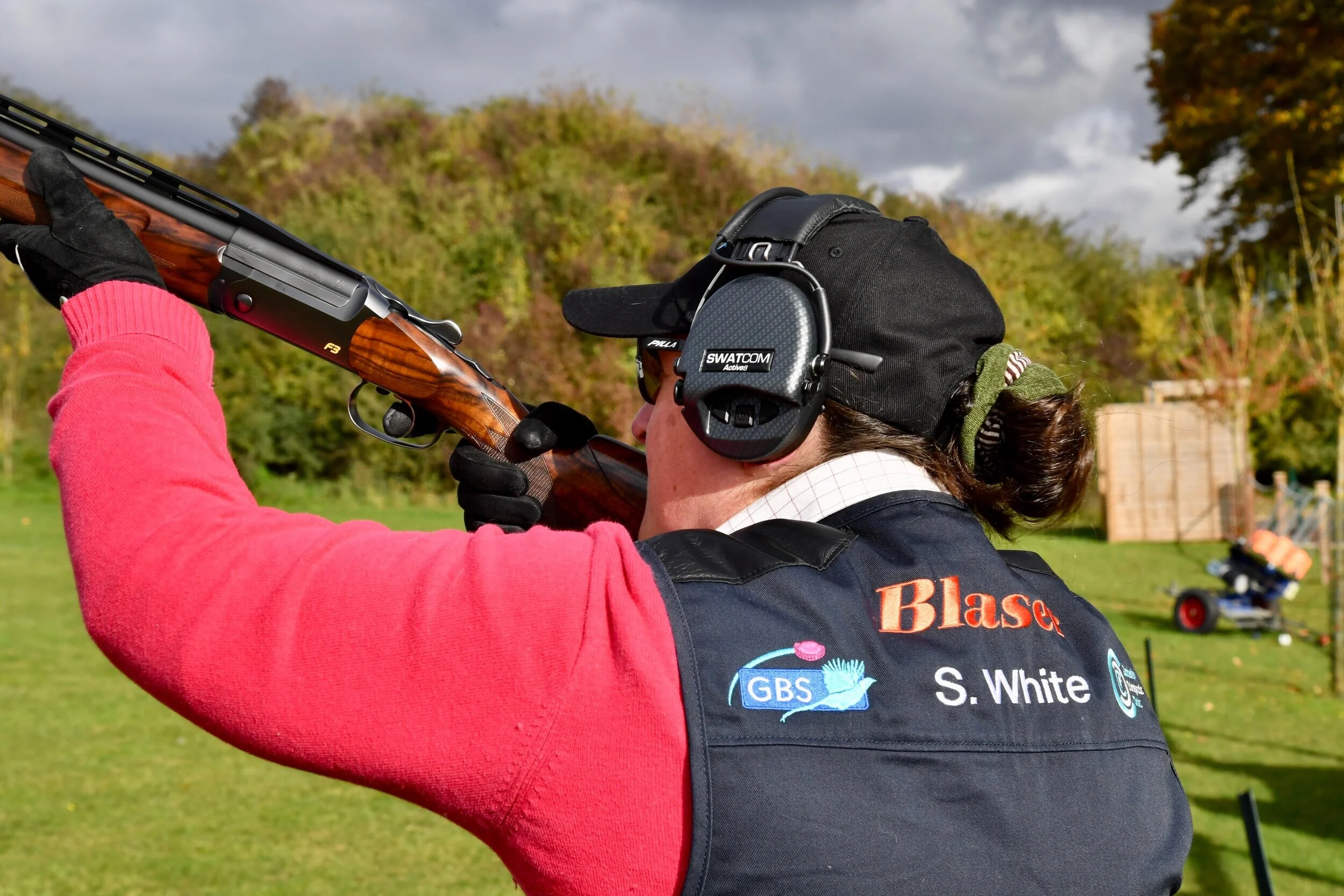
The countryside is changing. If you’ve spent any time in the rural parts of Norfolk, Shropshire, or the North Pennines, you know the sound of a shotgun isn't just a hobby for some—it’s an economic engine. But that engine is coughing. Right now, game bird shooting in England is hitting a wall of new regulations that could fundamentally alter the British landscape. We aren't just talking about a few more forms to fill out. We're looking at a shift in how land is managed, how birds are reared, and whether the tradition can actually survive in a modern, environmentally conscious Britain.
Most people think this is just a spat between animal rights activists and wealthy landowners. It’s deeper than that. The government is tightening the screws because of genuine concerns over biodiversity, avian flu, and the chemical impact of lead shot. If you’re involved in a local syndicate or you just enjoy a bracing walk through managed estates, these changes will hit your pocket and your weekends.
The End of the Wild West for Bird Releases
For years, the scale of bird releases in England has been staggering. We're talking tens of millions of pheasants and red-legged partridges released every single year. It’s been a bit of a free-for-all. However, the Department for Environment, Food & Rural Affairs (Defra) has decided the party is over, particularly near protected sites.
The new focus is on Special Areas of Conservation (SACs). If you want to release birds within a certain distance of these sensitive zones, you now need a license. This isn't a suggestion. It’s a legal barrier designed to stop non-native birds from gobbling up rare insects or trampling protected flora.
Environmental groups like Wild Justice have been relentless in the courts. They've successfully argued that the sheer volume of biomass dumped into the countryside—in the form of captive-bred birds—wreaks havoc on local ecosystems. When forty million birds are released into the wild, they don't just sit there. They eat. They defecate. They die and attract scavengers. The government can't ignore the data anymore.
Avian Flu and the Supply Chain Nightmare
You can’t talk about shooting without talking about the bird flu crisis that’s been ripping through Europe. It’s been a disaster. In recent seasons, the import of eggs and chicks from France—the primary source for many UK shoots—was throttled by disease outbreaks.
This supply chain fragility forced a realization. Relying on imported birds is a massive risk. Stricter regulations are now being framed as "biosecurity measures." The government wants better tracking of where these birds come from and where they go. For a small shoot run by a few mates, the paperwork is becoming a full-time job.
I’ve spoken to keepers who are worried that the costs of compliance will simply price them out. If you have to prove rigorous health checks and maintain intensive documentation for every batch of poults, the price per bird goes up. When the price per bird goes up, the "guns" (the people paying to shoot) start looking at their bank accounts. It’s a domino effect.
The Lead Shot Ban Is Finally Landing
Let's be real about lead. We’ve known for decades that lead is toxic. It’s bad for the soil, bad for the birds that ingest spent pellets, and potentially bad for the people eating the meat. The transition to non-toxic alternatives like steel, bismuth, or tungsten has been slow, but the regulatory hammer is coming down.
The Health and Safety Executive (HSE) has been pushing for a formal ban on lead ammunition for live quarry shooting. While some organizations tried to move voluntarily, the "voluntary" approach didn't work fast enough. Now, we're looking at mandatory shifts.
Switching to steel isn't as simple as buying a different box of cartridges. Many older, beautiful side-by-side English shotguns aren't proofed for high-performance steel. They’ll literally fall apart or, worse, explode in your hands. This means thousands of heirloom guns are becoming wall ornaments. It’s a sentimental and financial blow to the community. But from a public health and conservation standpoint, the argument for keeping lead is basically non-existent.
Why Social License Matters More Than Law
There’s a concept in the industry called "social license." It’s basically the idea that an activity can only exist if the general public tolerates it. Shooting is losing its social license fast.
The illegal persecution of birds of prey—like hen harriers and golden eagles—on some grouse moors has poisoned the well for everyone. Even though most low-ground pheasant shoots have nothing to do with raptor persecution, the public sees "shooting" as one big, monolithic block.
Stricter regulation is, in many ways, the government’s attempt to save the industry from itself. By forcing transparency and higher standards, they hope to weed out the bad actors who give the rest a bad name. If the industry doesn't clean up its act regarding hen harriers and lead, the next step won't be "stricter regulation." It’ll be a total ban.
Managing the Landscape or Just Killing for Fun
The biggest debate is over what happens to the land if shooting disappears. Proponents argue that without the money from shooting, estates would be sold to developers or turned into intensive sheep farms, which are arguably worse for biodiversity.
Shooting estates plant miles of hedgerows. They create cover crops that feed songbirds through the "hungry gap" in winter. They manage woodlands that would otherwise be neglected. These are tangible benefits.
The new regulations are trying to balance these benefits against the negatives. The government's Environmental Land Management schemes (ELMs) are shifting subsidies toward "public goods." Basically, farmers get paid for clean water and thriving wildlife, not just for owning land. Shooting estates have to prove they fit into this new green vision.
What You Should Do Now
If you're involved in land management or shooting, sitting still is the worst move. The era of "doing what we've always done" is dead.
First, audit your ammunition. If you haven't switched to steel or bismuth yet, do it today. Don't wait for the formal ban to catch you with a stockpile of illegal lead. Your butcher or game dealer probably won't even take lead-shot birds anymore anyway.
Second, check your proximity to protected sites. Use the Defra magic maps to see if your release pens are within the "buffer zones" of an SAC or SSSI. If they are, start the licensing process now. It’s slow, it’s bureaucratic, and it’s mandatory.
Third, focus on the "plate." The future of shooting is as a food industry, not a trophy industry. If you can't prove that every bird shot is entering the food chain, you're part of the problem. Support the British Game Assurance (BGA) or similar bodies that certify high standards of welfare and processing.
The regulatory landscape is messy and frustrating. It’s easy to feel like the countryside is under attack by "townies" who don't understand how things work. But the reality is that the climate and biodiversity crises are changing the rules for everyone. Adapting isn't just about following the law. It’s about ensuring there’s still a countryside left to enjoy in twenty years. Stop complaining about the paperwork and start proving that responsible shooting can actually help the environment. If you can't do that, you're already obsolete.