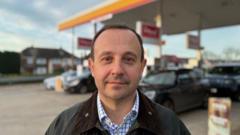
If you’ve filled up your tank lately, you’ve probably felt that familiar sting in your wallet. It’s easy to look at the digital numbers climbing on the pump and feel a surge of genuine anger. Most people standing there, watching the pounds or dollars tick away, assume the person behind the counter is getting rich off their misery. They think the local petrol station owner is sitting on a gold mine, laughing all the way to the bank while the rest of us struggle to commute.
That assumption is flat-out wrong. Read more on a connected issue: this related article.
The reality of the fuel business is far bleaker than the public realizes. While global oil giants post record-breaking quarterly profits, the independent retailers—the ones actually running the stations in your neighborhood—are often scraping by on margins so thin they'd make a supermarket look generous. Yet, these local business owners and their minimum-wage staff are the ones catching all the heat. They’re being shouted at, spat on, and physically threatened because of a global pricing structure they have zero control over.
Why Petrol Stations Aren’t Actually Making a Killing
Most drivers think that if the price of fuel goes up by 10p, the station is pocketing that extra 10p. It doesn't work that way. The vast majority of what you pay at the pump goes toward two things: the wholesale cost of the fuel and government tax. More analysis by Forbes delves into comparable perspectives on the subject.
In many regions, taxes and duties account for nearly half of the total price. Once you factor in the cost of refining, transportation, and the massive overhead of keeping a hazardous site operational, the actual "profit" on a liter of fuel is often less than a couple of pennies. If a station makes 2p or 3p per liter, they’re actually doing okay. On bad days, when wholesale prices spike suddenly, they might even sell at a loss just to keep customers coming through the door.
This is why almost every modern petrol station looks more like a convenience store or a high-end coffee shop. They aren't selling you fuel to get rich; they're selling you fuel so you'll walk inside and buy a meal deal, a bag of charcoal, or a overpriced bottle of water. That’s where the actual margin lives. Without the shop, the pumps would shut down tomorrow.
The Mental Toll on Frontline Staff
It's one thing to deal with a slim profit margin. It’s another thing entirely to deal with a customer who thinks you’re personally responsible for the war in Ukraine or OPEC production cuts.
Independent forecourt operators are reporting a massive spike in "pump rage." We aren't talking about a bit of grumbling or a frustrated sigh. We’re talking about staff members being called every name in the book. There are documented cases of customers throwing fuel nozzles, slamming credit cards into plexiglass screens, and even following staff to their cars after a shift.
Think about the person behind that counter. They’re usually earning a basic wage. They don't set the prices. They often don't even know the price has changed until they see the sign update automatically from a corporate head office or a remote server. Asking them why fuel is so expensive is like shouting at a weather reporter because it’s raining. It’s pointless, and it’s cruel.
The Invisible Costs of Running a Forecourt
Running a petrol station is a logistical nightmare. People see the price on the big LED sign, but they don't see the mounting bills behind the scenes.
- Electricity bills: Keeping those bright lights on 24/7 and running massive refrigeration units for the shop costs a fortune.
- Insurance: Insuring a site that sits on thousands of gallons of flammable liquid isn't exactly cheap.
- Card fees: Every time you tap your card at the pump, the bank takes a cut. On a £100 fill-up, that fee can sometimes wipe out the entire profit the station made on the fuel itself.
- Drive-offs: When fuel prices rise, so does fuel theft. Every "bilking" (driving off without paying) means the station has to sell thousands of liters of fuel just to break even on that one stolen tank.
The Disconnect Between Big Oil and Local Retail
We need to be very clear about who is actually "profiteering." When you see headlines about Shell or BP making billions, that money is largely coming from "upstream" activities—drilling for oil and refining it. By the time that fuel reaches a local, independently owned franchise station, the big money has already been made.
The local owner is essentially a glorified middleman. They take all the risk, handle all the abuse, and manage all the labor, while the parent companies and the government take the lion's share of the cash.
If you want to be angry about fuel prices, be angry at the lack of transparency in wholesale pricing or the way fuel duty is structured. Don't take it out on the 19-year-old working the night shift. They’re just trying to pay their own bills, which, ironically, are also going up because of the same energy crisis.
Stop the Abuse and Move Forward
The current atmosphere at forecourts is unsustainable. If the abuse continues, we’re going to see more "fuel-only" automated stations and fewer local shops. The human element is being driven out by a public that has lost its sense of perspective.
It’s time to change how we interact at the pump. Realize that the person behind the counter is a victim of the same economy you are. They're feeling the squeeze at the grocery store and on their utility bills.
Next time you’re at the register, skip the sarcastic comment about the price. Just pay for your fuel, maybe grab a coffee to actually help the business stay afloat, and treat the staff with basic decency. They aren't the ones getting rich; they're just the ones standing in the line of fire.
If you're truly concerned about fuel costs, start tracking wholesale market trends via sites like the RAC or AAA to understand when prices are actually likely to drop. Pressure your local representatives about fuel tax transparency instead of berating a retail worker. That’s where the real change happens.


