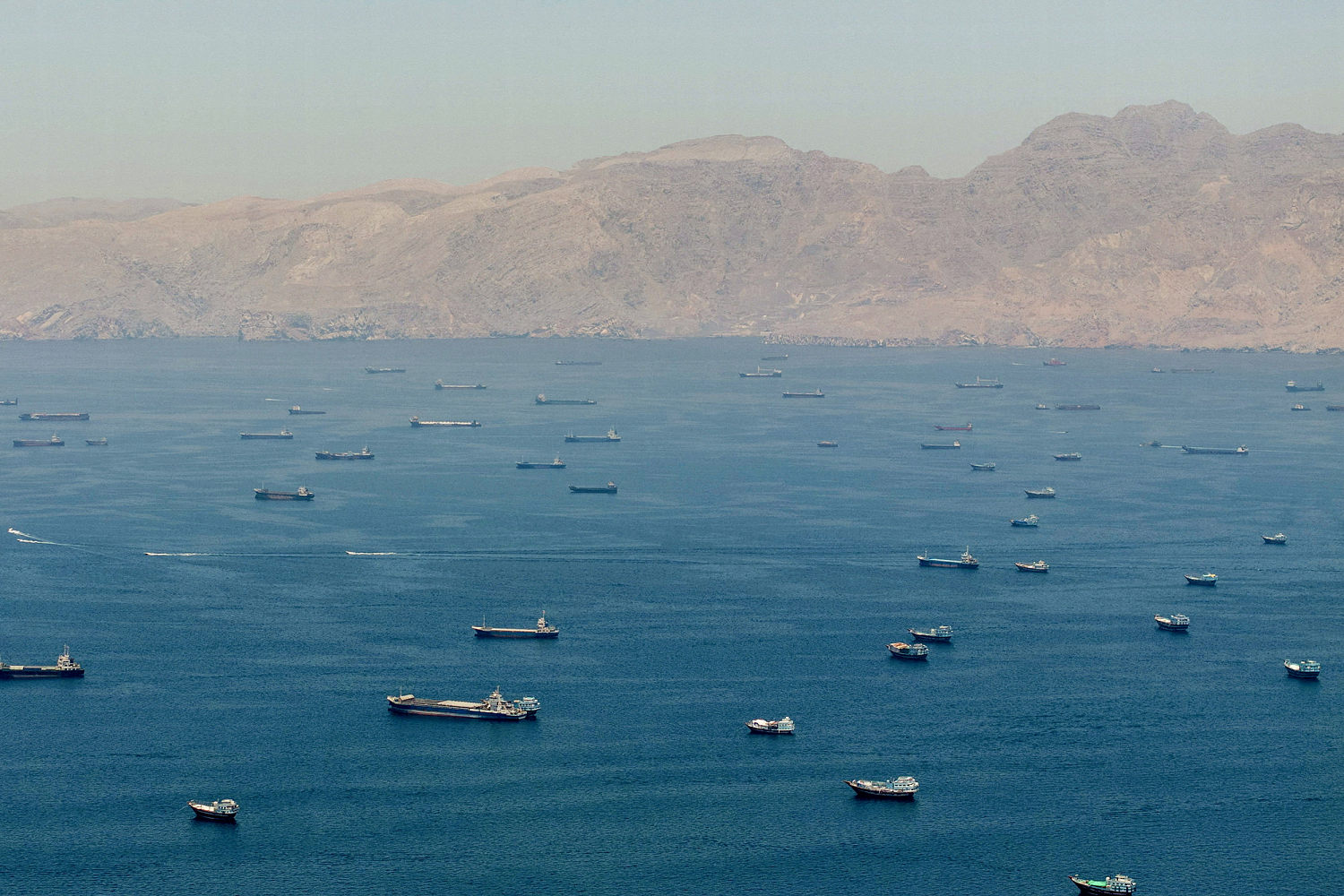
The operational downing of a United States Army AH-64 Apache attack helicopter near the Strait of Hormuz exposes the fragile material reality undercutting high-altitude political optimism. Following a severe breakdown in the April ceasefire—marked by a direct exchange of kinetic fire between Israel and Iran—the loss of a primary low-altitude maritime interdiction platform demonstrates that tactical attrition is outpacing diplomatic resolution. While executive communications frame the incident as a nominal hardware loss with zero personnel casualties, a structural analysis of the theater reveals that localized attrition directly undermines the macroeconomic and military objectives of the American containment strategy.
To evaluate the impact of this operational failure, the situation must be viewed through three distinct analytical lenses: the mechanical vulnerabilities of rotary-wing assets in asymmetric maritime blockades, the structural failure points of economic containment via chokehold enforcement, and the decoupling of political rhetoric from theater reality.
The Operational Cost Function of Rotary Maritime Interdiction
The utilization of the AH-64 Apache in the Persian Gulf and the Strait of Hormuz reflects a tactical adaptation that introduces severe structural vulnerabilities. Designed primarily for low-altitude, anti-armor land warfare, the platform has been reassigned to enforce maritime blockades against Iranian crude oil shipments and to intercept low-radar-cross-section unmanned aerial vehicles (UAVs).
This operational environment imposes a severe material tax on the airframe through specific, quantifiable mechanisms:
- Aerodynamic and Environmental Degradation: Operating over hyper-saline, high-temperature maritime corridors introduces rapid compressor blade erosion and accelerated galvanic corrosion. Thermal air density reduction in the Persian Gulf during summer periods restricts the engine's power margin, compressing the aircraft's recovery envelope during unexpected mechanical fluctuations or incoming fire.
- The Asymmetric Air Defense Vulnerability: Enforcing a blockade requires low-altitude hovering or predictable cruising patterns to identify and track non-compliant surface vessels. This operational profile exposes the platform to low-cost, asymmetrical counter-measures. Man-portable air-defense systems (MANPADS), guided anti-tank missiles, and small-caliber automated naval cannons operated by asymmetric actors neutralize the technological advantages of the aircraft's sensor suite by forcing engagement within short-range kinetic zones.
- Sensor Saturation: Utilizing a land-optimized target acquisition designation sight (TADS) over water creates high clutter-to-signal ratios. Differentiating between civilian commercial traffic, state-sanctioned fast attack craft, and automated surface vessels strains the platform's processing architecture and increases pilot cognitive load.
The structural vulnerability of the platform is compounded by the loss of auxiliary support systems. The recent unconfirmed radar disappearance of an American KC-135 Stratotanker and the prior loss of an MQ-4C Triton drone within the same sector point to a systemic degradation of the regional intelligence, surveillance, and reconnaissance (ISR) umbrella. Without continuous high-altitude airborne signaling and electronic warfare support, rotary assets function with diminished situational awareness, increasing the probability of intercept or controlled flight into terrain due to spatial disorientation.
Chokehold Dynamics and Economic Friction
The strategic objective of deploying these aerial assets is the maintenance of an economic blockade to force diplomatic compliance from Tehran. However, the mechanism of a maritime chokehold operates on a feedback loop that actively damages Western macroeconomic stability. The Strait of Hormuz serves as the transit pathway for approximately 20% of global petroleum liquids. Consequently, any micro-escalation within this corridor acts as a direct tax on global supply chains.
The economic cost function of this containment strategy is governed by three variables:
Total Economic Friction = Insurance Risk Premium + Supply Disruption Cost + Asset Replacement Value
The first variable, the insurance risk premium, escalates non-linearly with every documented asset loss. Maritime underwriting firms adjust war risk premiums based on the perceived density of kinetic threats. When an advanced military platform is lost under ambiguous circumstances, commercial shipping lines face immediate operational cost increases, which are passed directly to consumer markets via freight rate adjustments.
The second variable manifests as systemic price volatility. The active conflict initiated on February 28 has driven continuous fluctuations in global energy prices. Because modern manufacturing and agricultural logistics are deeply reliant on stable input energy costs, the localized blockade in the Strait of Hormuz acts as an inflation engine for basic consumer goods and food worldwide. The April ceasefire failed to transition into a permanent structural agreement precisely because the underlying economic leverage—the chokehold capability—remains distributed between both state actors.
The Rhetoric-Reality Disconnect in Asymmetric Conflict
The political framing of the incident relies on an optimization of narrative rather than an optimization of material force. Asserting that the military apparatus of an adversary is "totally destroyed" or retaining a specific, highly precise fraction of its missile capacity conflicts directly with the operational realities of asymmetric warfare.
Asymmetric strategies do not require symmetric parity to achieve strategic denial. A defensive force operating along its own coastline leverages geographic density, hidden land-based mobile missile launchers, and swarm-capable UAV fleets. The United Arab Emirates' use of Apache helicopters to down Iranian drones demonstrates a tactical diversion of high-value assets to counter low-cost threats—an economic inversion where the cost per intercept exceeds the value of the target by orders of magnitude.
Furthermore, declaring a complex theater of war to be a "mini war" or a temporary "detour" introduces strategic risk by miscalculating escalation thresholds. In modern conflict, the distinction between a localized skirmish and a systemic regional war is governed by the speed of automated data processing and the vulnerability of centralized communication nodes. When tactical assets are lost under unclear circumstances, the decision-making window for commanders on the ground shrinks rapidly, increasing the likelihood of unauthorized or pre-emptive kinetic deployment.
Strategic Prescription for Theater Realignment
To mitigate ongoing asset attrition and stabilize the maritime corridor, the operational framework must pivot away from high-density, low-altitude manned aerial patrols. Continued reliance on rotary-wing assets for long-endurance maritime interdiction under active threat conditions guarantees a predictable rate of airframe loss due to mechanical fatigue and asymmetric interception.
The immediate tactical requirement is the deployment of distributed, uncrewed autonomous surface and subsurface vessels to assume the primary tracking and identification load. This shifts the risk profile away from high-value human capital and costly airframes while maintaining the necessary sensor density to enforce shipping compliance. Concurrently, regional air defense integration must rely on land-based, long-range radar arrays and high-altitude, long-endurance (HALE) platforms operating outside the kinetic envelope of localized counter-measures. Continuing the current operational trajectory without these systemic changes will result in the progressive erosion of regional deterrence through steady, incremental material attrition.