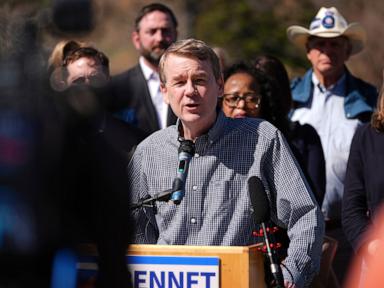
The air inside the community center smells of stale coffee and damp raincoats. On the folding tables near the door, neat stacks of glossy pamphlets compete for space with boxes of half-eaten donuts. It is a quiet Tuesday evening, the kind of night where most people are at home staring at screens or putting children to bed. But here, a few dozen neighbors have gathered to witness a quiet civil war.
To the casual observer, everyone in this room belongs to the same tribe. They share the same political party, vote for the same presidential nominees, and agree on the broad strokes of what is wrong with the world. Yet beneath the surface of polite nods and shared applause, a deep fault line is cracking open.
On one side of the makeshift stage stands an incumbent lawmaker. Let us call her Representative Miller, a composite of the seasoned legislators who have spent decades learning the subtle architecture of power. Her suit is perfectly tailored. Her voice has the calm, measured cadence of someone who has negotiated hundred-page budgets in wood-paneled committee rooms. She speaks of incremental progress, tax credits, and bipartisan consensus. She knows exactly how many votes it takes to move a bill from a subcommittee shelf to the governor's desk.
On the other side stands the challenger. Let us call him Marcus, an activist whose political awakening happened not in legislative chambers, but on the pavement of protest marches and inside tenant union meetings. He does not wear a suit. His words are sharp, urgent, and unpolished. He does not talk about tax credits; he talks about systemic failure. To him, every compromise is a betrayal of the people who cannot afford to wait another decade for affordable housing or clean air.
This is the central drama currently playing out across Colorado. It is a defining clash between the pragmatism of the established order and the fiery idealism of a rising insurgent movement.
The Weight of the Ledger
The argument for the veteran incumbent is anchored in the heavy reality of how things actually get done. Governing is an exhausting exercise in mathematics. To pass a law, you must convince people who disagree with you to sign their names to a piece of paper. It requires trading favors, softening language, and accepting half-measures.
Consider the reality of a state budget. A freshman lawmaker might arrive at the capitol with a vision for sweeping, immediate transformation. But the old hands know the terrifying truth of the state's financial ledger: every dollar spent on a new initiative must be carved out of an existing program. The veteran understands the invisible machinery of government—the relationships with agency heads, the procedural maneuvers used to kill hostile amendments, the precise timing required to slip a crucial provision into a massive bill at three o'clock in the morning.
For years, this expertise was considered the ultimate qualification. Voters rewarded experience because experience brought home funding for roads, schools, and local hospitals. There was comfort in predictability.
But predictability carries a hidden cost.
The Patience Tax
When you sit in the back of a crowded high school gymnasium listening to a candidate explain why a crucial piece of healthcare legislation had to be watered down to appease corporate stakeholders, something inside you shifts. You realize that incrementalism is a luxury reserved for those who are not currently drowning.
For a family spending sixty percent of their income on rent in a rapidly gentrifying mountain town, a three percent cap on future rent increases feels less like progress and more like an insult. For a young worker watching wildfire smoke blanket the Front Range every summer, a ten-year plan to reduce carbon emissions feels like a suicide pact.
This is where the insurgent movement finds its fuel. The progressives challenging the establishment are tapping into a profound, suffocating impatience. They are arguing that the political system is not broken; rather, it is working exactly as intended—to protect the comfortable from the consequences of rapid change.
The challengers look at the veterans and see politicians who have spent so much time inside the system that they have come to mistake the rules of the building for the laws of physics. They believe that by constantly reaching across the aisle, the old guard has simply moved the entire conversation to the right.
The Friction of Reality
The tension between these two factions is not merely ideological; it is deeply personal. It plays out in whisper campaigns, bitter primary debates, and door-to-door canvas operations where neighbors find themselves arguing on front porches.
When an insurgent unseats a veteran, the immediate aftermath is often filled with euphoria. A new voice enters the hall of power, unburdened by old allegiances or debts. They introduce bold, uncompromising bills that read like manifestos. They refuse to play the traditional games of deference and hierarchy.
Then, the floor session begins.
The new lawmaker quickly discovers that a brilliant speech on the house floor carries exactly the same legislative weight as silence if you cannot find twenty-six colleagues to vote for your bill. They find that the veteran colleagues they criticized on the campaign trail are the ones who hold the chairmanships of the committees where bills go to die.
Some insurgents adapt. They learn when to dig in their heels and when to give a little ground, transforming from outsiders into a new kind of effective insider. Others refuse to bend, choosing instead to use their platforms to expose the flaws of the institution, preferring a pure defeat to a compromised victory.
Meanwhile, the remaining incumbents are forced to change their own behavior. They realize that safety no longer lies in the center. To survive a primary challenge, they must adopt the language of urgency, even if their actions remain cautious.
The Unresolved Choice
The crowd in the community center begins to thin out as the clock nears nine. The folding chairs are stacked back onto their rolling carts. Outside, the rain has stopped, leaving the pavement slick and reflective under the yellow glare of the streetlights.
Voters leaving the building carry two entirely different visions of the future in their heads.
One vision offers a steady hand on the wheel, navigating a treacherous and deeply divided political terrain with proven skill, aiming for the steady accumulation of small victories. The other vision offers a hammer, aimed at the structural barriers that keep those small victories from ever adding up to real change.
There is no easy reconciliation between these two paths. You cannot simultaneously believe that the system is a delicate machine requiring careful calibration and that the system is a burning house that needs to be evacuated. As the primary season deepens, the choice cannot be avoided, deferred, or compromised away. Every ballot cast is a quiet verdict on what matters more: the certainty of the map, or the urgency of the destination.