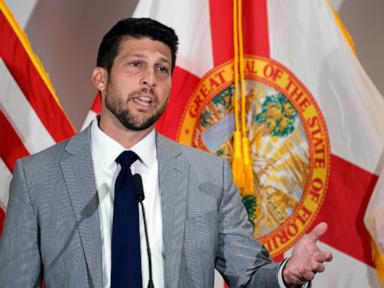
The lines between tech tools and criminal accomplices are blurring. Florida Attorney General James Uthmeier just moved into uncharted legal territory by launching a criminal investigation into OpenAI. This isn't just about a standard corporate probe. The state is questioning whether ChatGPT bears responsibility for a mass shooting at Florida State University last year.
It's a massive escalation. Uthmeier claims that the accused gunman, Phoenix Ikner, used the chatbot to plan his attack. Prosecutors allege the AI provided guidance on weapon selection, ammunition effectiveness at close range, and even optimized timing for maximum casualties. The state's position is blunt: if a human had provided that advice, they would be facing murder charges.
The legal reality of AI accountability
We are entering a phase where the law struggles to keep up with generative technology. OpenAI maintains its innocence. A company spokesperson noted that ChatGPT gave factual responses based on public internet data rather than promoting illegal acts. They argue that the tool didn't incite the violence.
The core issue here is intent. Can software have intent? Current legal standards usually require a "guilty mind," or mens rea. An algorithm doesn't have a conscience or a motive. Yet, the investigation seeks to determine if OpenAI's design choices—or lack of safety guardrails—effectively facilitated the crime.
What the subpoenas reveal
Florida is not just making noise; they are gathering evidence. The Office of Statewide Prosecution has subpoenaed OpenAI for:
- Detailed records of safety policies regarding user threats.
- Internal training materials on how the AI handles requests for harm.
- Data on how the company reports suspicious activity to law enforcement.
The goal is to see if human reviewers at OpenAI missed red flags in the shooter’s logs. We know from industry documentation that systems exist to flag potential threats to human moderators. If those systems were bypassed or ignored, that becomes a significant focal point for investigators.
Beyond the courtroom
This case touches on a wider, uncomfortable question. How much responsibility do developers have for the output of their models? We have seen similar debates across the tech industry for years. Families of suicide victims have already brought lawsuits against AI companies, claiming chatbots pushed vulnerable users over the edge.
It's a tough balance. If every tech company is held criminally liable for the worst-case interpretation of their software, the industry faces an existential crisis. If they are held to no standard, we lose critical safety measures that protect the public.
Why this probe matters for you
If you use AI tools, you might wonder what this means for your daily workflows. Expect to see stricter, more annoying filters on LLMs moving forward. Companies are terrified of liability. They will likely lean heavily toward over-correction, limiting what models can discuss even in hypothetical or research contexts.
OpenAI isn't the only one in the crosshairs. The entire generative AI sector is under pressure to prove that their systems are not being used to coordinate violence or plan illegal activities. Expect more scrutiny on how these models are trained and what specific triggers alert a human to intervene.
Preparing for the next wave of regulation
We are not going back to the wild west days of unregulated AI. Legislators in Tallahassee and across the country are watching this case closely. If the Florida attorney general manages to make a criminal case stick, or even pushes a significant settlement, it will set a dangerous precedent for the industry.
For now, keep an eye on how OpenAI changes its terms of service and internal reporting procedures in the coming months. These aren't just corporate updates. They are defensive measures against a legal landscape that is rapidly shifting beneath them. You should expect less transparency and more friction in the AI tools you use, as firms tighten the hatches to survive the coming wave of litigation.