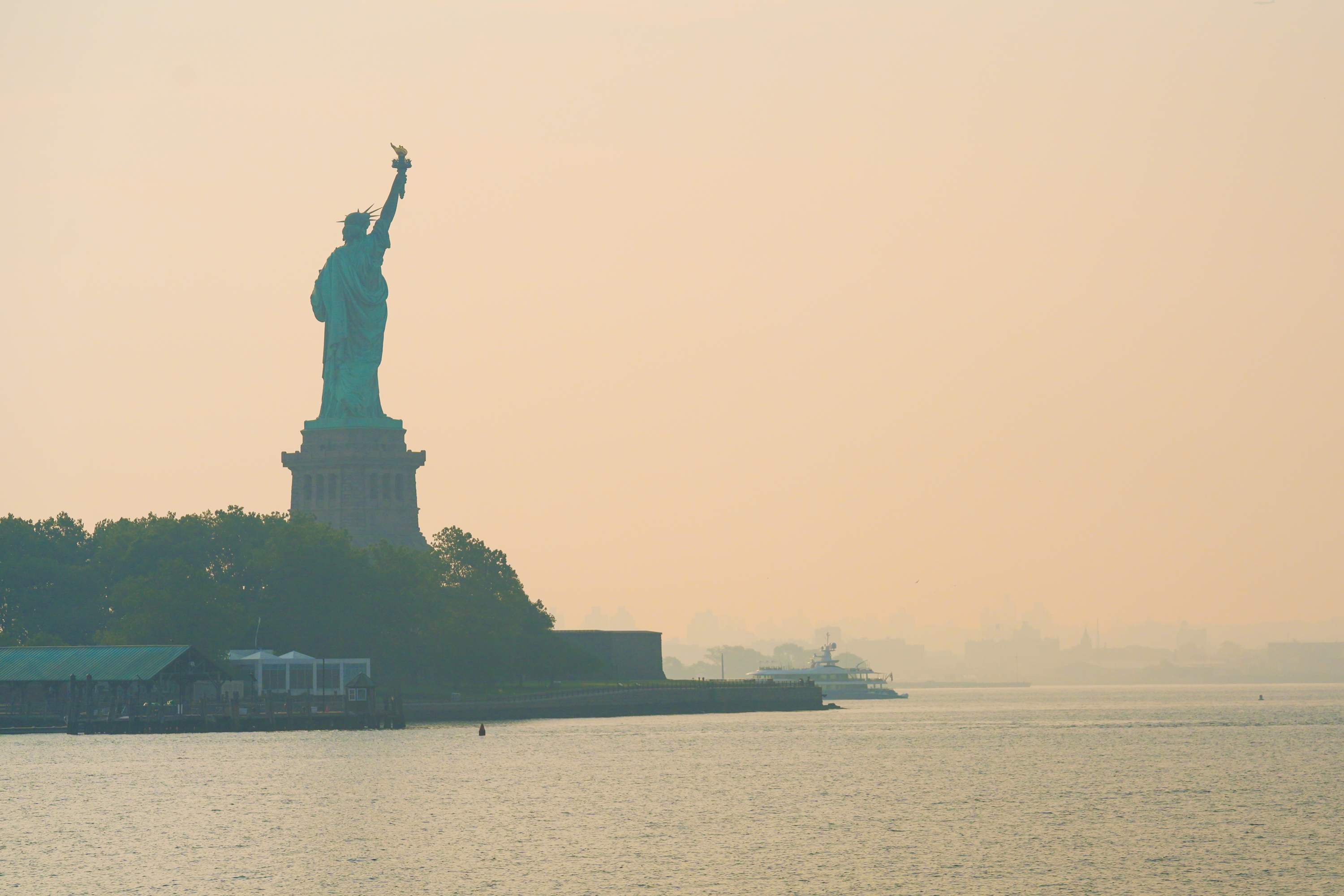
The biggest game in global sports is staring down an environmental crisis, and nobody wants to blink. Right now, a thick blanket of Canadian wildfire smoke is hanging over New York and New Jersey, turning the skies a sickly shade of yellow and leaving a distinct burning smell in the air. MetLife Stadium, the open-air, 82,500-seat venue hosting the 2026 World Cup final between Spain and Argentina on Sunday, has looked more like a dystopian movie set than a soccer paradise.
Yet, despite the hazy conditions and hazardous air quality alerts popping up across the northeast, FIFA has no plans to move or postpone the match.
It leaves fans and athletes asking a massive question. How bad does the air have to get before billions of dollars in broadcasting rights, logic, and human health collide?
The Reality on the Ground in New Jersey
This isn't a vague, distant threat. Spain’s national squad spent their Thursday training session out in the thick of it in East Hanover, New Jersey. Midfielder Mikel Merino admitted to reporters that the team could literally taste and smell the smoke while running drills. Critics immediately slammed the decision to train outdoors, arguing the team should have been shielded inside.
The problem is the sheer scale of the fires. Canada is currently dealing with more than 800 active wildfires, throwing massive plumes of fine particulate matter into the atmosphere. The wind did exactly what sports organizers feared, carrying that pollution straight down into the most densely populated sports hub in America.
We’ve already seen smoke disrupt games this week. The New York Mets and Philadelphia Phillies had to bump up a Thursday night game by an hour just to beat a rapidly decaying air mass. Phillies star Bryce Harper didn't hold back, calling the decision to play in that weather "not the greatest idea".
Why a World Cup Final Can't Just Be Rescheduled
When a regular-season baseball game gets delayed, you make it up during a doubleheader in August. You can't do that with a World Cup final. The logistics are terrifying. You have tens of thousands of international travelers with expiring flights, massive security deployments, and a global television audience numbering in the billions.
FIFA's command center in Miami has embedded National Weather Service meteorologists tracking the smoke patterns hourly. They're betting heavily on a shift in the weather. Forecasters point to a heavy rain system hitting the area on Saturday, which could dump over three centimeters of water and help wash the fine particles out of the sky.
But weather isn't a guarantee. Climate scientists like Mark Parrington from the Copernicus Atmosphere Monitoring Service warn that another massive smoky air mass is sitting right behind that rain system. If the fires up north surge on Saturday, the smoke could rush back into New Jersey just in time for kickoff.
The Hidden Health Cost for Players and Fans
We often think of professional athletes as superhuman, but breathing fine wildfire ash ruins athletic performance. Dr. Chantal Darquenne, a medical professor at the University of California, points out that the negative effect is entirely dose-dependent. Even if the air quality rating drops to a "moderate" yellow zone, running at a full sprint for 90 to 120 minutes means players are vacuuming smoke deep into their lungs. It limits oxygen intake, triggers asthma, and causes premature fatigue.
Then there are the people in the stands. Dr. Myles Druckman, a global medical director at International SOS, raised the alarm for the 80,000-plus spectators. A stadium crowd isn't sitting quietly; they're shouting, chanting, and hyperventilating for hours in an open-air concrete bowl. For older fans or those with underlying respiratory issues, Sunday could turn dangerous quickly.
Sports in a Burning World
The uncomfortable truth is that major sports organizations are completely unprepared for this. Unlike the Canadian Football League or even Major League Baseball, which have developed explicit air quality index guidelines for canceling events, FIFA does not have a public, hard-and-fast air pollution threshold to trigger a postponement. They've operated on a case-by-case basis, assuming the show must always go on.
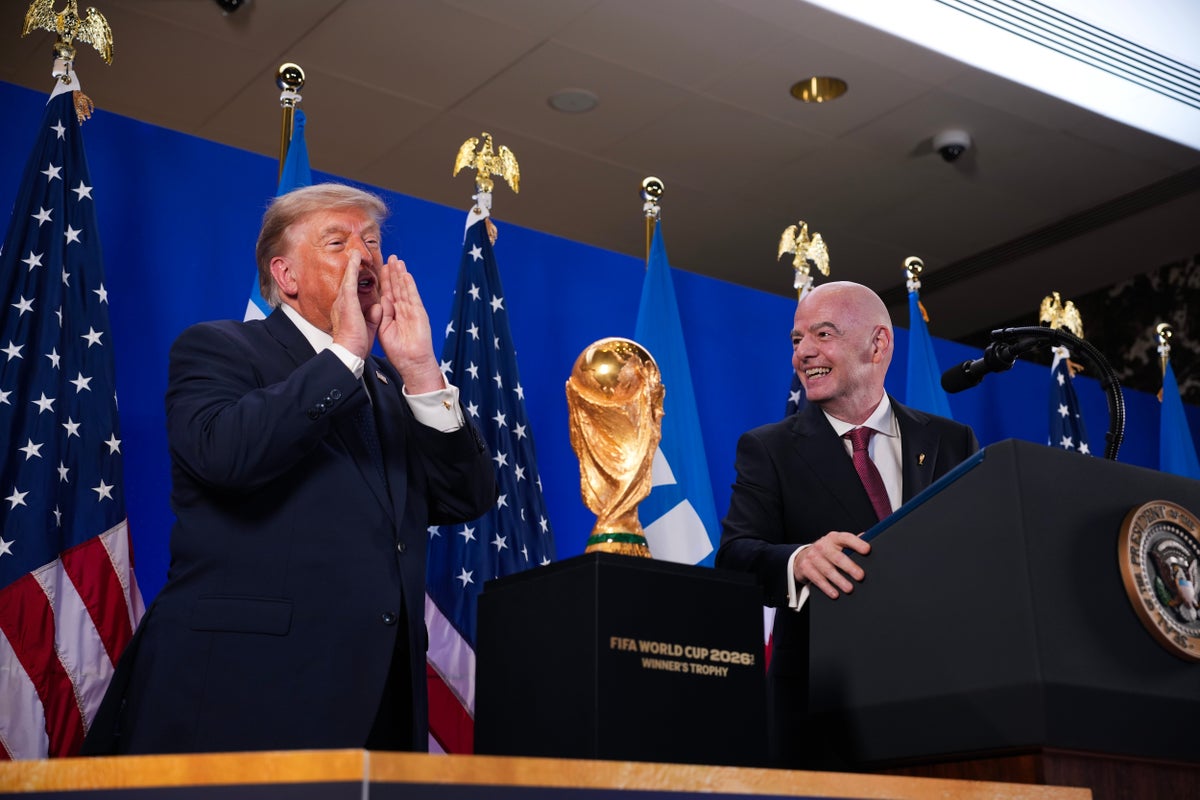
Politics has predictably entered the mix too. Former U.S. President Donald Trump took to social media to blast America's northern neighbor, claiming the U.S. is being "unnecessarily invaded by filthy, polluted, and unhealthy air" and demanding Canada be held accountable.
Blame doesn't clear the air, though. If you're holding tickets for Sunday's final, pack a high-quality mask just in case. Watch the local air quality index apps closely on Saturday night after the rain clears. FIFA will almost certainly push through and play this match because the financial gravity of a World Cup final is simply too massive to stop. But the orange-tinted sky over MetLife Stadium is a stark reminder that modern sports can no longer outrun the climate.