Elena stood in the harsh, unforgiving fluorescent light of the pharmacy aisle, holding a heavy glass jar that promised, in elegant silver script, to erase ten years in two weeks. She was fifty-two. The math didn’t add up. Even if the cream worked miracles, she didn’t want to be forty-two again. Forty-two was a year of chaotic transitions and sleepless nights. She liked her fifties. She liked the quiet confidence she had earned.
But her skin felt like a stranger.
Over the last few years, the texture had changed. It felt paper-thin, dry to the point of tightness by midday, and seemingly indifferent to the lotions she had used for decades. It wasn't about vanity. It was about comfort. Her skin felt like a wool sweater washed on the wrong cycle—shrunk, inflexible, and slightly irritated.
Most skincare advice treats aging like a house fire that needs to be put out. The language is aggressive. Combat. Fight. Defy. Erase. We are told to bomb our faces with harsh acids and intense retinols, treating our skin like an adversary to be conquered.
We got mature skincare completely backward.
The biological reality of maturing skin isn't a failure of willpower. It is a fundamental shift in architecture. As the years pass, our bodies slow down the production of sebum, the natural oil that keeps the skin barrier intact. At the same time, estrogen levels drop, which directly impacts moisture retention. The lipid barrier—the microscopic mortar holding our skin cells together—begins to develop gaps. Moisture evaporates through these gaps into the dry air. Dermatologists call this trans-epidermal water loss. Elena just called it a tight, itchy forehead.
To fix this, we don’t need an arsenal of weapons. We need a biological peace treaty.
When Elena looked closer at the labels in that aisle, she realized she didn’t know what she was looking for. The beauty industry relies on confusion. It buries the true workhorses of skin health under marketing buzzwords. To truly nourish skin that has lived a little, we have to look past the promises and look straight at the chemistry.
The Microscopic Bricklayer
Consider the lipid barrier as a protective brick wall. In our twenties, the mortar is thick and waterproof. In our fifties, that mortar gets brittle. The wind blows right through it.
This is where ceramides enter the story.
Ceramides are lipids—fatty acids—that naturally make up over fifty percent of the skin’s composition. Think of them as the microscopic bricklayers of the epidermis. When applied topically, they don’t just sit on top of the skin like grease; they actively sink into the spaces between cells, repairing the broken mortar.
A study from the Journal of Dermatological Science confirmed that topically applied ceramides structurally improve the skin barrier function, significantly reducing irritation and dryness. For Elena, finding a cream rich in ceramides meant her skin stopped feeling parched by noon. The moisture stayed locked inside where it belonged.
But ceramides cannot work in a vacuum. They need a partner to pull water into the skin in the first place.
The Magnet in the Desert
There is a molecule inside our bodies capable of holding one thousand times its own weight in water. It is called hyaluronic acid.
Imagine a microscopic sponge. When we are young, our skin is packed with these sponges, keeping our faces plump, bouncy, and resilient. As time moves on, our natural reservoir of hyaluronic acid depletes. The sponges shrink.
When Elena first heard the word "acid," she was terrified. She pictured chemical burns and peeling skin. The name is a misnomer; hyaluronic acid doesn't exfoliate. It hydrates. It acts as a powerful humectant, drawing moisture out of the air and pulling it deep into the skin's surface layers.
But a word of caution born from experience: if you apply hyaluronic acid to dry skin in a dry room, it backfires. With no moisture in the air to pull from, it will draw water upward from the deeper layers of your own skin, leaving you drier than before. The secret is simple. Apply it to damp skin. Give the sponge water to drink, and it will hold that hydration against your face all day long.
The Architecture of Bounce
Water is only half the battle. The other half is structural integrity.
Elena noticed that when she slept on her side, the pillow lines stayed etched into her cheek for an hour after she woke up. Her skin had lost its snap.
This loss of elasticity comes down to the degradation of collagen and elastin, the scaffolding of our face. To encourage the skin to rebuild its own support system, we need signaling molecules. We need peptides.
Peptides are short chains of amino acids that act like tiny biological messengers. When applied to mature skin, they send a specific signal to our cells: Time to build more collagen. They don't offer an overnight facelift—nature doesn't work that way—but over weeks of consistent use, they subtly firm the skin’s appearance, helping it snap back into place.
The Unsung Protector
There is one ingredient that often gets overlooked because it isn't flashy. It doesn't have a mysterious origin story involving rare Alpine flowers or deep-sea thermal vents. It is niacinamide, a form of Vitamin B3.
Mature skin is often reactive skin. The same sun exposure that caused freckles in our youth can turn into uneven hyperpigmentation later in life. Furthermore, a weakened skin barrier means everyday environmental stressors trigger redness and blotchiness.
Niacinamide is the great equalizer. It stabilizes the skin barrier, reduces redness, and gently fades the dark spots left behind by decades of sun. It is gentle, predictable, and incredibly effective. It doesn't demand center stage, but the entire formula performs better when it is present.
The Shift from Correction to Comfort
Elena stopped looking for a time machine in a jar. She started looking for nourishment.
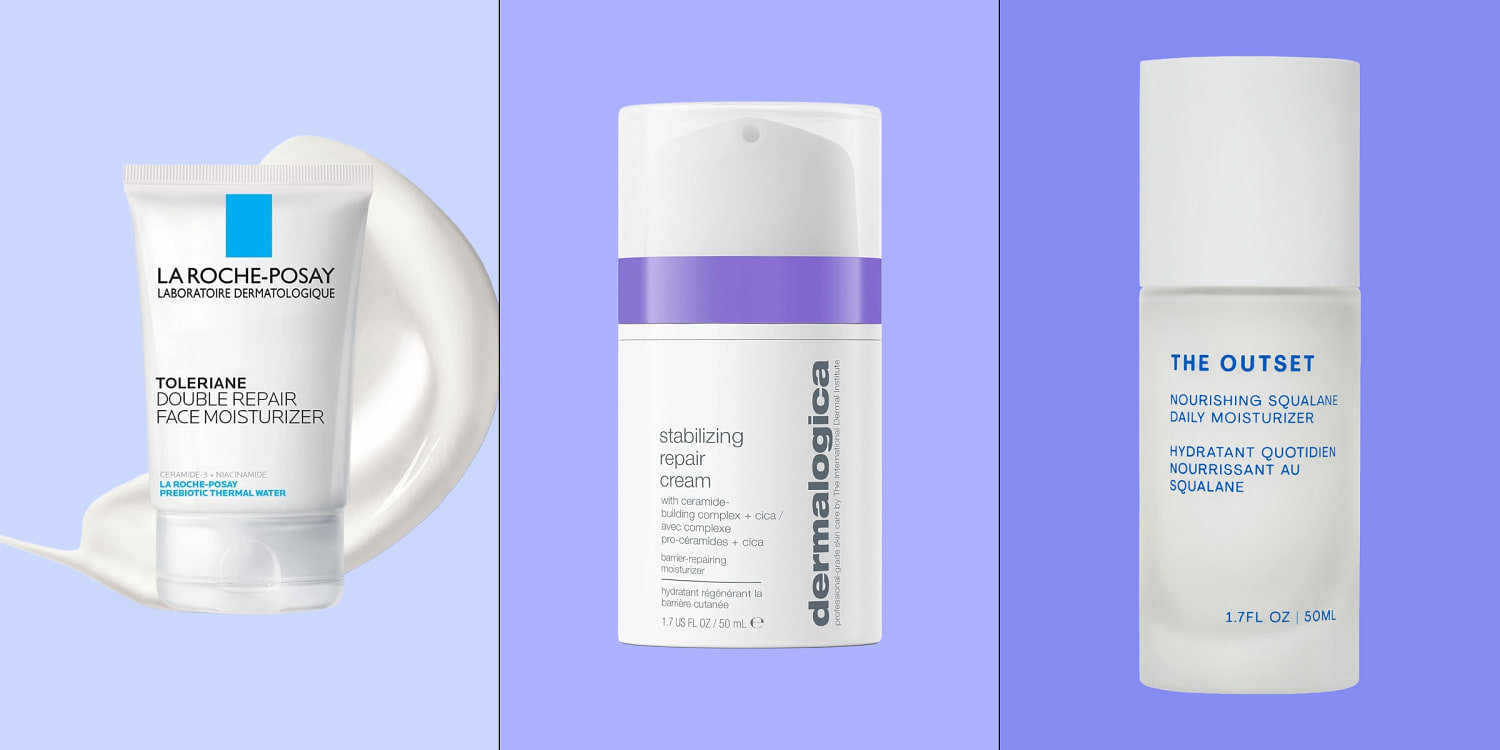
She threw out the aggressive scrubs that left her face stinging. She stopped chasing the impossible smooth perfection of a twenty-year-old digital influencer. Instead, she chose a rich, emollient cream packed with ceramides, hyaluronic acid, and peptides.
The change wasn't a sudden erasure of her life's history. The lines around her eyes—the ones that formed from decades of laughing at her husband's terrible jokes, from squinting into the summer sun at her daughter’s soccer games, from worrying through the late nights—were still there.
But her skin stopped hurting. It stopped flaking. It caught the morning light with a soft, healthy glow that looked thoroughly alive.
We spend the first half of our lives trying to change how we look. We spend the second half realizing that the skin we inhabit is a historical document, a record of every joy, sorrow, and triumph we have ever experienced. It deserves to be supported, comforted, and protected. Not erased.
The next morning, Elena looked in the mirror, pressed her hands to her cheeks, and felt only warmth, softness, and resilience. She smiled, and her skin smiled right along with her, flexible and whole.


