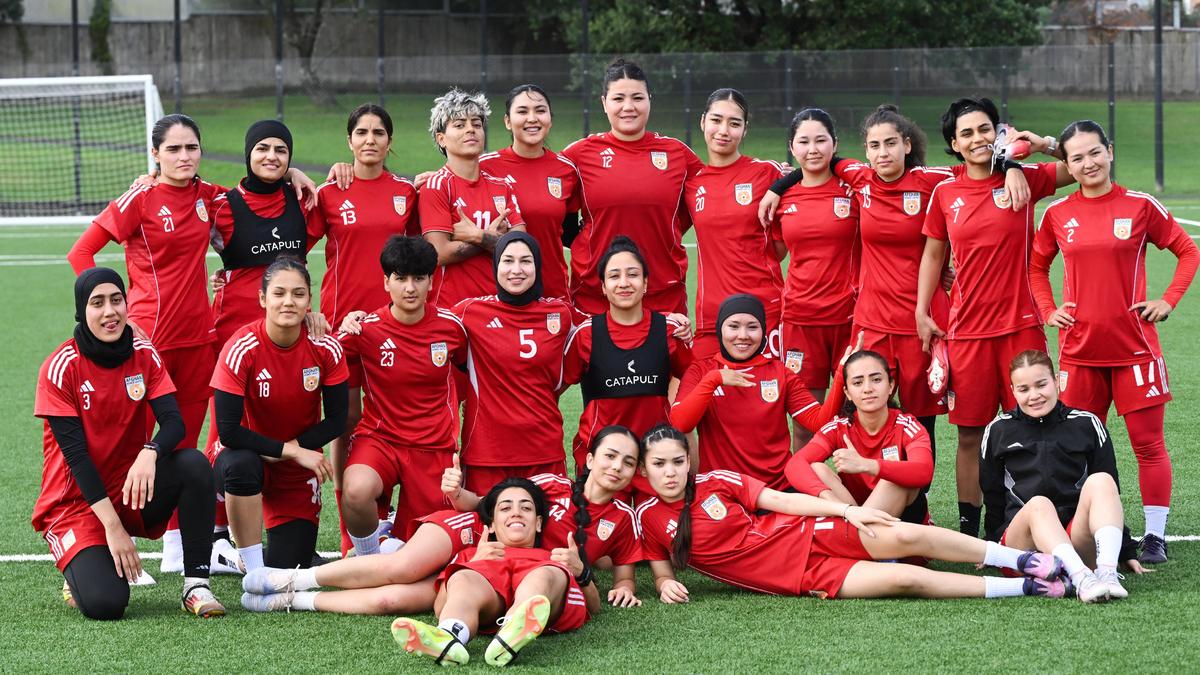
The feel-good sports narrative is a commodity. Media outlets love a triumphant story of survival, exile, and resurgence. When the Afghan women’s national football team fled Kabul and regrouped in Australia, the global press immediate produced a predictable wave of coverage. It was framed as a victory against oppression, a symbol of defiance, and a rising from the ashes.
It is a beautiful story. It is also an absolute distraction from the grim, structural reality of international sports governance.
Celebrating an exiled team playing local club matches as a triumph for Afghan women is not just naive; it is actively counterproductive. While FIFA hands out photo-ops and human rights organizations fund-raise off the back of these brave athletes, the actual infrastructure of women’s football inside Afghanistan has been systematically erased. We are applauding a symbolic ghost while the living entity has been buried.
The Western sports apparatus loves a symbolic victory because symbols are cheap. True systemic pressure is expensive, uncomfortable, and requires institutional courage that international sporting bodies simply do not possess.
The FIFA Double Standard and the Illusion of Recognition
Let us look at the structural mechanics of international football. The exiled Afghan women’s team currently operates in a geopolitical and bureaucratic limbo. They play matches, they wear the kits, and they train diligently. But they do not officially represent Afghanistan in the eyes of FIFA.
FIFA recognizes the Afghanistan Football Federation (AFF), which currently operates under the oversight of the Taliban-led administration. The governing body’s rules state that national teams must be sanctioned by their local member association. Because the AFF inside Kabul has shut down women’s sports, the exiled players cannot compete in official international tournaments like the Women’s Asian Cup or the World Cup qualifiers.
FIFA claims its hands are tied by its own statutes. This is a organization that banned Russia within days of the Ukraine invasion due to geopolitical pressure. When it comes to the total erasure of half a population’s right to play sports, FIFA hides behind bureaucratic red tape.
By allowing the media to focus entirely on the heartwarming story of the team’s exile and survival, FIFA escapes the burning question: Why has the Afghanistan Football Federation not been suspended?
Suspension would mean cutting off FIFA forward funding to the male-only federation inside Kabul. It would mean making a hard political stance. Instead, the global football community settles for offering moral support to the exiled team while continuing to engage with the entity that banned them in the first place. It is a masterclass in risk mitigation and corporate public relations.
The Mirage of Awareness Campaigns
There is a fundamental flaw in the premise that international awareness translates to internal change. The "People Also Ask" columns on search engines are filled with variations of: How can international sports save women's football in Afghanistan? The brutal answer is: It cannot. Not under the current strategy.
Awareness is the lowest form of activism. It requires no sacrifice from the person expressing it. When a European club hosts a charity match for the exiled Afghan team, or when a major sportswear brand signs an endorsement deal with an exiled player, it creates the illusion of progress. It satisfies the Western consumer’s desire for a neat, redemptive arc.
Meanwhile, inside Afghanistan, the reality is stark. Human Rights Watch has documented the complete scrubbing of women from public life. Girls are barred from secondary education, let alone sports complexes. Playing football is not just banned; it is dangerous.
When the international community focuses its resources and media real estate entirely on the players who made it out, it inadvertently abandons the players who were left behind. The resources poured into sustaining a symbolic team in Australia do nothing to alter the material conditions of the thousands of young girls inside Herat, Kabul, or Kandahar who cannot even step onto a pitch without facing severe repercussions.
The Cost of the Feel-Good Narrative
I have seen sports federations and corporate sponsors burn millions on these types of initiatives. They set up training camps, fly players to glitzy galas, and produce high-production-value documentaries. The sponsors get their social responsibility checkmarks, the media gets its clicks, and the public gets a temporary emotional lift.
Then the cameras turn off, the news cycle shifts to the next crisis, and the structural problem remains untouched.
The downside to this contrarian view is obvious: it sounds cynical. It risks sounding like an attack on the players themselves. Let be unequivocally clear: the Afghan women who escaped are heroes. Their personal resilience is undeniable. But separating the athletes from the systemic exploitation of their story is vital.
By treating their survival as the climax of the story, we accept defeat. We concede that the only way an Afghan woman can play football is if she flees her homeland. We normalize the idea that sports fields inside Afghanistan are permanently closed to women, and that the global community's only job is to provide a lifeboat for the fortunate few who escape.
Redefining the Strategy: Real Leverage Over Symbolism
If the goal is to actually protect the right of women to play sports globally, the entire playbook needs to be discarded. Stop asking how to support the exiled team, and start asking how to penalize the regimes that ban women.
True leverage does not look like a friendly match in Melbourne. It looks like this:
- Financial Strangulation: FIFA must completely freeze all funding, development grants, and resources to the Afghanistan Football Federation until women are permitted to train and compete safely within the country.
- Total Competitive Ban: The male national team must be barred from all international competitions, including World Cup qualifiers. If half the country is forbidden from playing, the country does not get to play.
- Legal Precedent: Sporting bodies must rewrite their constitutions to automatically trigger the expulsion of any member association that codifies gender apartheid.
This approach is uncomfortable. It punishes male athletes who have no control over their government’s policies. It disrupts international tournaments. It forces sports organizations into ugly, prolonged legal and political battles.
But it is the only mechanism that carries actual weight. Anything less is just theater.
The current media consensus wants you to look at the exiled Afghan women’s team and feel inspired. They want you to believe that as long as eleven women can lace up their boots somewhere in the world, the spirit of Afghan women's football lives on.
Do not buy into the comforting lie. Every match played by an exiled team under a generic banner is not a sign of resurrection; it is a stark reminder of total institutional failure. Stop celebrating the survival of the exception while ignoring the destruction of the rule.