We love pretending that a stray piece of plastic crossing a border is an existential catastrophe. Every time a fragment of an unmanned aerial vehicle drifts across NATO's eastern frontier, the media machine spins up the panic generators. Sirens wail in the headlines. Pundits demand immediate escalation. Politicians issue stern, finger-wagging warnings about sovereignty and red lines.
It is theatre. And it is dangerous theatre.
I have spent the better part of a decade analyzing defense logistics and electronic warfare margins. When a budget-tier reconnaissance craft drifts off course due to atmospheric interference or a jammed navigation link, the armchair generals treat it like a prelude to an all-out armored invasion. This lazy consensus ignores the fundamental reality of modern airspace dynamics. Borders in the digital age are porous, and friction is inevitable.
Treating every navigation error as a deliberate act of war does not project strength. It projects fragility.
The Geography of Error
Let us look at the mechanics of what is actually happening. Modern unmanned systems rely on satellite navigation coordinates that are notoriously vulnerable to regional electronic countermeasures. When both sides are saturating the electromagnetic spectrum with jamming signals to blind opposing optics, navigation packets get scrambled.
A machine flying at low altitude over southeastern Europe does not possess malicious intent. It possesses a failing GPS lock.
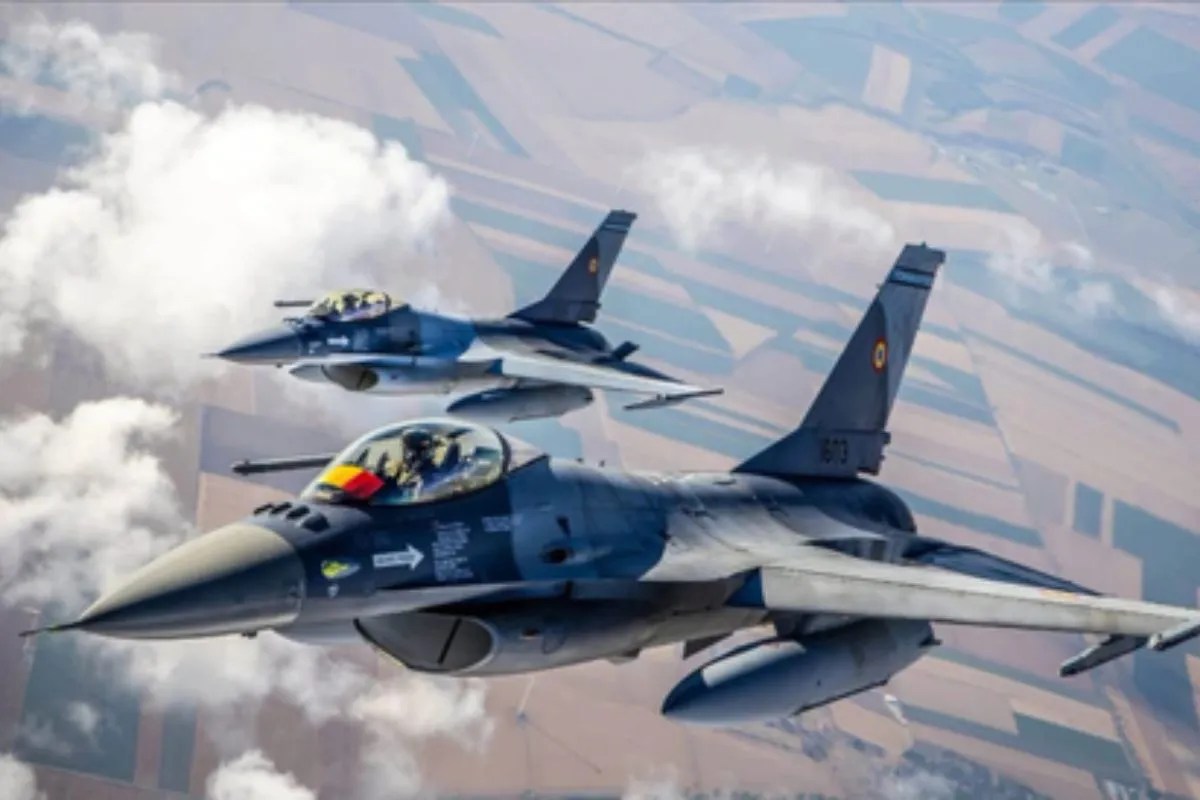
When defense ministries scramble multimillion-dollar fighter jets to intercept a fifty-pound hobbyist-grade hull, they are falling straight into an asymmetric trap. You do not spend ten thousand times the economic value of a target just to prove a point about airspace integrity. Doing so drains interceptor missile stockpiles and burns precious flight hours on platforms that take months to service.
The real vulnerability is not that a stray chassis crossed an imaginary line on a map. The vulnerability is our Pavlovian urge to overreact.
The Cost of Loud Warnings
Every stiff diplomatic reprimand issued after a minor border breach achieves two things, and both of them favor the adversary.
First, it signals that our command structures are twitchy. If an opposing strategic planner wants to map our radar response times, they do not need a stealth bomber. They just need to launch a cheap, unguided loitering munition programmed to drift slightly off a predictable vector. They sit back with a stopwatch and record how long it takes for air defense batteries to spin up and panic.
Second, it conditions the domestic public to live in a state of manufactured terror. Constant warnings about imminent escalation create fatigue. When actual danger manifests, nobody will believe the alarms because they have been crying wolf over stray weather balloons and errant navigational failures for three years.
We need to trade our theatrical posturing for operational calibration.
What Strategic Maturity Looks Like
Managing border friction requires quiet competence, not loudspeaker diplomacy.
- Absorb minor anomalies without public melodrama: Not every blip on a screen deserves an emergency broadcast update.
- Deploy electronic mitigation instead of kinetic waste: Invest in localized soft-kill directional spoofing rather than burning scarce missile inventory on cheap airframes.
- Redefine airspace sovereignty for the electronic age: Acknowledging that electromagnetic bleed happens prevents political leaders from backing themselves into corners where they feel forced to escalate over trivial mechanical drift.
The next time a foreign drone drops out of the sky in a farm field because its guidance chip got cooked by regional signal jamming, do not look for a mastermind. Look for the maintenance log. Stop rewarding cheap disruptions with expensive panic.


