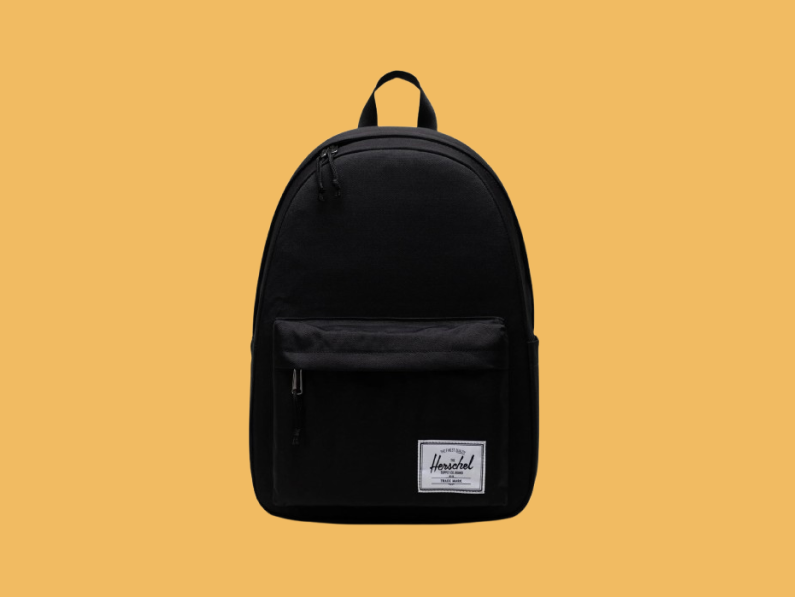
Most gear reviewers are lying to you. They spend forty hours staring at spec sheets, stroke a piece of Cordura nylon, and tell you that a twenty-pocket organizer with a waterproof zipper will fix your daily commute.
It will not.
The standard backpack industry survives by selling you anxiety disguised as utility. Every year, manufacturers roll out another bloated iteration of the standard pack. They add USB passthrough ports you will never wire, hidden anti-theft pockets that take three minutes to unzip, and molded back panels that trap sweat against your spine like a personal sauna. They pitch you organization. What they actually deliver is weight.
I have spent the last fifteen years evaluating load-bearing equipment, tactical carry systems, and everyday urban gear. I have watched brands charge three hundred dollars for bags constructed from marketing buzzwords while ignoring the fundamental physics of carrying weight on a human body.
Let us dismantle the lies.
The Multi-Pocket Fallacy
Look at any mainstream roundup of daily carry bags. The primary selling point is always pocket density. They praise bags with twenty-two distinct compartments, fleece-lined sunglasses pouches, pen slots, and specialized key leashes.
This is a design failure masquerading as a feature.
When you distribute your gear across twenty tiny pockets, two things happen. First, you forget where you put things. Second, and worse, you violate basic load distribution principles. Every extra layer of fabric, every heavy YKK zipper track, and every internal divider adds dead weight before you even put a single notebook inside.
A high-end daily pack often weighs three pounds empty before you add a laptop, a charger, a water bottle, and a gym change of clothes. You are carrying a heavy shell just to manage the chaos of bringing too much junk to an office that already has desks, pens, and paper.
The best bags on the market do not have twenty pockets. They have a cavernous main compartment and maybe one exterior stash zone. They force you to use pouches or packing cubes if you want granularity. They refuse to do the thinking for you, because rigid internal organization assumes your carry load never changes. Your carry load changes every single day.
The Ergonomic Hype
Manufacturers love to talk about orthopedic design, air-flow channels, and lumbar support pads. They want you to believe that wearing a backpack in a downtown subway requires the same structural engineering as a summit bid on Mount Rainier.
Your daily commute from the train to a cubicle does not require a internal frame sheet.
Imagine a scenario where you walk two miles with a fifty-pound pack through broken terrain. You need load lifters, a structured hip belt, and a contoured harness system. Now imagine walking three blocks from a parking garage to a climate-controlled office building with a laptop, a charger, and a notebook. If you need a rigid ergonomic suspension system for that second walk, your problem is not your backpack. Your problem is your muscle mass.
Thick foam back panels trap body heat. They make your shirt look like you walked through a sprinkler system by the time you reach your desk. A simple, flexible canvas or high-denier nylon back panel conforms to your natural spine shape, breathes better, and drops a pound of dead weight off your shoulders.
Stop buying hiking gear for a concrete commute.
The Waterproof Delusion
Water-resistant is the industry standard. Fully waterproof is the marketing trap.
Brands charge an extra hundred dollars to laminate their fabrics with TPU coatings and install polyurethane-dipped zippers. These zippers are stiff, miserable to pull with one hand, and wear out within eighteen months of daily friction.
Unless you are commuting via kayak or walking through a literal hurricane, you do not need a waterproof dry bag for your laptop. You need a tightly woven ballistic nylon or heavy cotton canvas that can shed a fifteen-minute drizzle. If it starts pouring rain, zip your bag inside a cheap pack cover or put it under an umbrella.
Sacrificing daily zipper usability and adding stiff, brittle chemical coatings just to survive a minor rainstorm is a bad trade. Most waterproof zippers fail long before the fabric does. When a waterproof zipper blows out, the entire bag is garbage.
The Laptop Compartment Obsession
Every bag must have a suspended, padded, bulletproof laptop sleeve, according to the mainstream consensus.
Why? Because consumers have been trained to treat their laptops like Faberge eggs. Modern laptops, particularly enterprise machines and modern ultrabooks, are built with milled aluminum unibodies. They are remarkably resilient. They do not need a quarter-inch of high-density EVA foam surrounding them on all six sides, especially if the bag itself is already riding against your back.
The obsession with dedicated laptop compartments ruins the internal geometry of backpacks. It forces bags to be flat and rigid. It turns a flexible cylinder into a stiff briefcase with shoulder straps.
A simple padded sleeve inside the main cavity is plenty. Better yet, use a separate slim sleeve for your machine and drop it into a flexible, open-concept main compartment. That way, when you want to use the bag for grocery shopping or a weekend trip, you are not fighting a rigid plastic divider sewn permanently into the middle of the interior.
What You Should Actually Look For
If we strip away the marketing noise, what makes a pack worth owning?
- Simplicity of structure: Fewer seams mean fewer points of failure. A bag made from a single large piece of high-denier fabric will outlive a bag cobbled together from twenty different panels of contrasting mesh and nylon.
- Hardware integrity: Metal hardware beats plastic every single time. If a bag uses plastic side-release buckles on the main shoulder strap adjusters, throw it out. Aluminum G-hooks or heavy-duty steel triglides cost pennies more to manufacture but last decades.
- Weight-to-capacity ratio: A daily carry pack should weigh under two pounds empty. If it tips the scales at three or four pounds before you pack your gear, the manufacturer is hiding bad design behind heavy materials.
- Access speed: A roll-top or a wide-mouth bucket design beats a traditional horseshoe zip every single day. You want to see everything inside your bag with one pull, not unzip three separate layers to find your keys.
The Brutal Truth About Your Carry Habits
You do not need a better backpack. You need to carry less stuff.
No amount of ergonomic padding or modular webbing will save your shoulders if you are hauling a portable gaming rig, three chargers, an oversized umbrella, a Dopp kit, and four notebooks to a job that requires a browser and a keyboard.
The industry wants you to buy solutions to a problem you created by packing for an expedition every time you leave the house. They want you to collect bags the way sneakerheads collect shoes, cycling through five different packs depending on the weather or your outfit.
Find one durable, simple, lightweight shell. Throw your gear inside it. Accept that your back will get slightly warm during a walk, and that a sudden downpour requires an umbrella instead of a scuba-grade zipper.
Stop optimizing your accessories and start optimizing your load.


