Pre-dawn gunfire echoed across Niamey while state television went black, prompting international wire services to spin their favorite lazy narrative: another routine African coup panic, another fragile junta fighting for its life against nameless rebels. That framing is comfortable. It requires zero geopolitical literacy and lets foreign desks dust off templates written decades ago. It is also entirely wrong.
Strip away the superficial sound of heavy weapons near Base 101 and the flickering screens of Télé Sahel. What is happening in Niger is not a simple domestic palace coup or a random splintering of the armed forces. It is the violent, high-stakes collision between domestic resource nationalism and a shifting global imperial architecture.
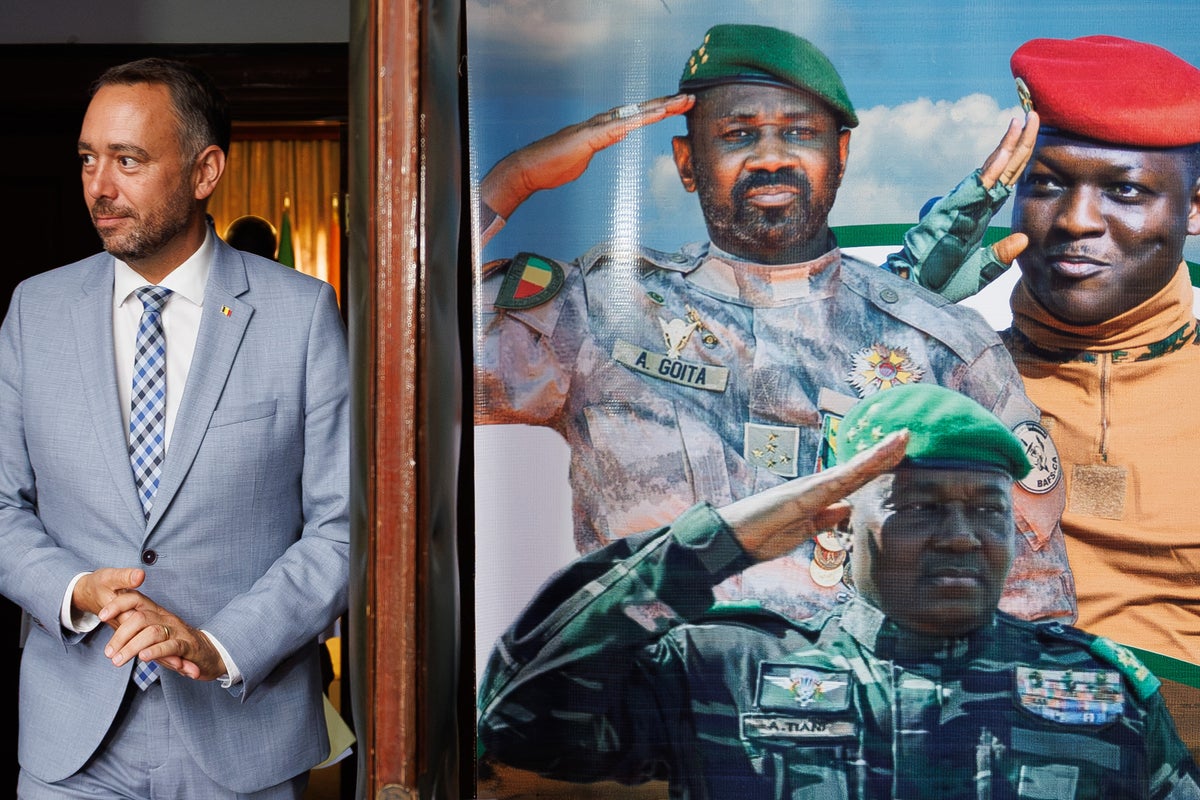
To understand why the capital is erupting now, look past the tactical street battles and examine the ledger. Just weeks before the sound of artillery shook the presidency, the junta under Abdourahamane Tiani systematically stripped uranium exploration permits from French mining giant Orano, reallocating those national assets to state-backed entities. Niger accounts for a massive slice of Europe's nuclear fuel supply chain. When a resource-rich state seizes its own subterranean wealth from foreign operators while aligning militarily with the breakaway Alliance of Sahel States and external security partners like Russia, the threat model changes permanently.
The lazy consensus treats these uprisings as isolated domestic eruptions driven solely by local military ambitions or sudden spikes in jihadist pressure from groups linked to al-Qaeda and the Islamic State. That perspective ignores how modern resource sovereignty actually functions in the Sahel.
The Anatomy of Resource Retaliation
Foreign policy pundits love to talk about governance indices and democratic transitions as if a nation can eat ballots while its sovereign wealth is piped abroad. For decades, Niger functioned as an extraction colony with a democratic gloss. Uranium powered French reactors while nearly half the domestic population lived under extreme poverty thresholds.
When military officers seized power in July 2023, they did not invent the structural anger of the Nigerien population; they weaponized it. By kicking out French military contingents, terminating legacy security pacts, and revoking mining concessions, the junta crossed lines that external capitals treat as absolute.
Imagine a scenario where a Western corporation loses access to fifteen percent of its critical mineral inputs overnight, and the host government pivots its security architecture toward Moscow while forming a regional bloc with Mali and Burkina Faso. Do you honestly believe external actors sit quietly by, relying solely on diplomatic notes of concern?
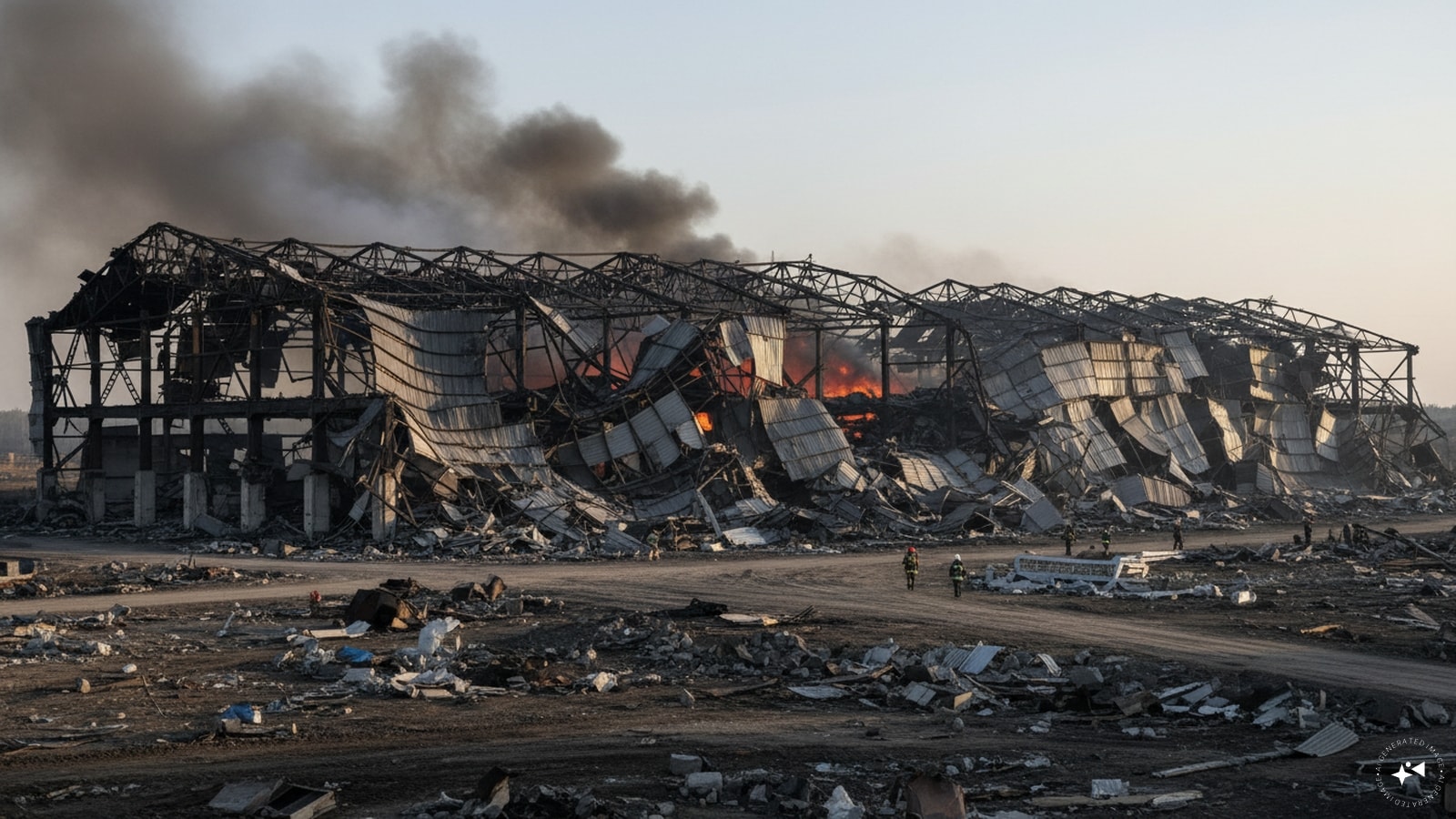
The chaos outside the airport and the targeted strikes on military infrastructure are symptoms of a proxy-adjacent pressure cooker. Insurgent groups operating in the tri-border area provide convenient cover, but the underlying friction points are economic and geopolitical. When the state cuts off Orano and starts redirecting gold and uranium revenues through sovereign channels, the domestic security equilibrium shatters.
Dismantling the Stability Myth
Mainstream analysis constantly warns that military rule destroys security. Look at the data honestly. Under the previous civilian administration backed by Western capitals, jihadist expansion was already metastasizing across the countryside, and billions in security assistance failed to turn the tide.
The military junta did not create the Sahelian insurgency; they inherited a failed security paradigm constructed by foreign counter-terrorism architects who prioritized European border security over local survival. Shifting alliances from Paris to alternative global partners is messy, violent, and disruptive. It invites immediate destabilization campaigns, economic strangulation via regional blocs like ECOWAS, and internal security fractures.
Media outlets cover the gunfire in Niamey as if it occurs in a vacuum. They ask when constitutional order will return, assuming that Western-style liberal democracy is the natural baseline of human political organization. That is the wrong question entirely. The right question is whether a sovereign state can break a century of extractive dependency without triggering a systemic collapse engineered from the outside.
The Brutal Reality on the Ground
Tiani's administration faces a horrific trade-off. By severing ties with traditional Western security sponsors and nationalizing critical assets, they accepted total exposure. The recent pre-dawn attacks near the international airport and the presidential sector demonstrate that the capital is no longer a safe haven.
Yet, treating this violence as proof that the regime is about to crumble misunderstands the resilience of revolutionary autarky. When a government burns its bridges with the West and seizes multinational assets, it commits to a high-risk gamble. It either survives by forging new security dependencies or it falls under the weight of coordinated destabilization.
The blackout on state television is not just an indicator of a communications blackout during a firefight; it is the physical manifestation of an information war where every transmission is a strategic asset. While international correspondents hyperventilate over who controls the broadcasting towers in Niamey, the real battle is being fought over who controls the raw materials beneath the desert floor.
Stop looking at the Sahel through the lens of paternalistic democratization templates. What is happening in Niger is a raw, unvarnished struggle for resource independence, fought with automatic weapons in the dark and economic decrees in daylight.